Preventing and Treating Tree Root Intrusion in Sewer Lines
May 4, 2026
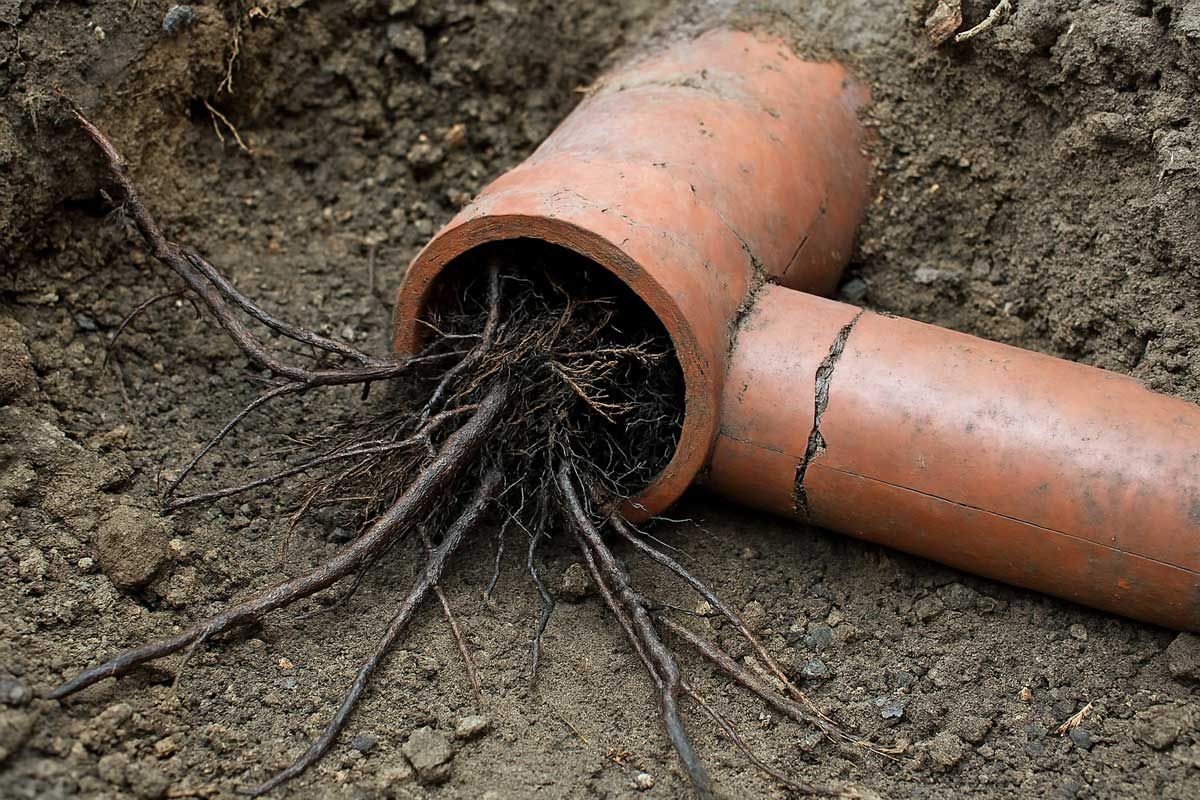
Tree roots seeking moisture and nutrients naturally infiltrate sewer lines through tiny cracks or loose joints. In Western Washington's rainy climate, our lush tree growth creates beautiful landscapes—and serious sewer line challenges. Understanding prevention and treatment options protects your property from costly backups and repairs.
How Roots Find Your Sewer Lines
Sewer pipes create perfect root magnets, offering water, nutrients, and oxygen—everything trees crave.
Entry Points:
- Pipe joints: Even hairline gaps attract roots
- Small cracks: Roots detect moisture vapor
- Loose connections: Clay and concrete pipe vulnerabilities
- Service connections: Where laterals meet mains
- Damaged sections: From settling or age
Once inside, roots expand rapidly, catching debris and creating blockages. A single root hair entering through a 1/16-inch gap can grow into a massive obstruction within months.
High-Risk Trees in Western Washington
Aggressive Species to Avoid Near Sewer Lines:
Willows (Most Destructive)
- Root spread: 100+ feet
- Extremely water-seeking
- Fast-growing invasive roots
- Plant a minimum of 100 feet from lines
Maples (Common Problem)
- Big Leaf and Vine Maples prevalent locally
- Shallow, spreading root systems
- 40-60 foot safety distance recommended
- Beautiful but problematic near pipes
Cottonwoods and Poplars
- Extensive root networks
- Rapid growth rate
- 75-100 foot clearance needed
- Often planted unknowingly near lines
Other Problematic Species:
- Birch trees: 30-40 foot spread
- Elm trees: Deep water-seeking roots
- Ash trees: Aggressive surface roots
- Bamboo: Incredibly invasive
Safer Landscaping Alternatives
Low-Risk Trees:
- Japanese Maple: Compact root system
- Dogwood: Shallow, non-invasive
- Cherry (ornamental): Limited spread
- Crabapple: Manageable roots
- Mountain Ash: Moderate growth
Shrubs and Bushes:
- Rhododendrons: Northwest favorites, safe choice
- Azaleas: Shallow roots, beautiful blooms
- Hydrangeas: Non-threatening root structure
- Blueberries: Edible landscaping option
Warning Signs of Root Intrusion
Early Indicators:
- Slow draining throughout the house
- Gurgling sounds from toilets
- Frequent clogs despite proper use
- Multiple fixtures are backing up
- Sewage odors in the yard
Advanced Problems:
- Raw sewage in cleanouts
- Toilet overflow when washing machine runs
- Standing water around cleanout
- Sinkholes or soggy spots in yard
- Foundation cracks from soil erosion
Emergency Situations: Complete blockage causing:
- Sewage backup into home
- Multiple fixture failures
- Health hazard conditions
- Property damage risk
Prevention Strategies
Physical Barriers: Installing root barriers during construction or landscaping:
- Metal shields: Durable barriers to block root intrusion
- Chemical barriers: Slow-release herbicides to deter root growth
- Physical trenching: Redirects roots away from structures
- Concrete encasement: For areas with the highest risk
- Professional installation is recommended for best results.
Chemical Prevention: Regular treatments discourage root growth:
- Copper sulfate – monthly applications
- Foaming root killers – applied quarterly
- Professional treatments – done annually
- Safe for pipes when used correctly, but not recommended for septic systems.
Smart Landscaping Design: Planning prevents problems:
- Map sewer line locations before planting
- Create root-free zones above pipes
- Install raised beds over line areas
- Choose appropriate plant species
- Consider container gardens
Treatment Options
Mechanical Root Cutting: Professional equipment removes existing roots:
- Rotating cutting blades
- Immediate restoration of flow
- Temporary solution (6-12 months)
- Roots grow back stronger
- Best for emergency relief
Hydro Jetting: High-pressure water blasts roots away:
- 3,000-4,000 PSI water pressure
- Clears entire pipe diameter
- Removes grease and debris too
- Lasts 1-2 years typically
- Safe for most pipe materials
Hot Jetter Service: Our specialized heated water system:
- Combines heat with pressure
- More effective on tough roots
- Sanitizes the pipe simultaneously
- Environmentally friendly
- Longer-lasting results
Chemical Treatments: Professional-grade root killers:
- Foam fills the entire pipe
- Kills roots on contact
- Prevents regrowth 6-12 months
- Multiple applications needed
- Combine with mechanical removal
Long-Term Solutions
Pipe Lining: Trenchless rehabilitation creates a root-proof barrier:
- Cured-in-place pipe (CIPP)
- No excavation required
- 50-year warranty typical
- Seals all entry points
- Preserves landscaping
Pipe Replacement: Complete solution for severely damaged lines:
- Modern PVC or HDPE materials
- Root-resistant joints
- 100-year lifespan
- Opportunity to upgrade the size
- Highest initial cost
Pipe Bursting: Trenchless replacement option:
- Breaks old pipe while installing new
- Minimal excavation
- Upgrades to larger diameter
- Maintains same path
- Less disruption than traditional
Video Inspection Technology
Diagnostic Benefits:
- Pinpoints root entry locations
- Assesses damage extent
- Identifies pipe material and condition
- Documents for insurance claims
- Guides treatment decisions
When to Inspect:
- Before home purchase
- Annual preventive maintenance
- After root treatment
- Planning landscaping projects
- Recurring drain problems
Insurance and Root Damage
Coverage Limitations: Most policies exclude:
- Gradual root damage
- Lack of maintenance
- Known pre-existing conditions
- External sewer lines
Covered Scenarios:
- Sudden collapse
- Accidental damage
- Interior backup damage
- Additional living expenses
Documentation Tips:
- Keep inspection videos
- Save treatment receipts
- Photo document problems
- Maintain service records
Environmental Considerations
Eco-Friendly Options:
- Mechanical removal over chemicals
- Hot water jetting
- Biodegradable root treatments
- Proper chemical disposal
- Native plant alternatives
Protecting Watersheds: Western Washington's environmental sensitivity requires:
- Avoiding copper sulfate near streams
- Proper permitting for major work
- Erosion control during excavation
- Responsible chemical use
Ask The Experts
My neighbor's tree is destroying my sewer line. Who's responsible?
In Washington, property owners typically maintain their sewer lateral regardless of root source. However, if negligence is proven (ignoring known hazardous trees), neighbors may share liability. Document everything and consult your insurance company. Prevention through communication beats legal battles.
How often should I treat my sewer line if I have large trees?
With mature trees nearby, annual Hot Jetter service prevents most problems. High-risk situations (willows, previous issues) benefit from bi-annual treatment. Regular maintenance costs far less than emergency repairs and provides documentation for insurance if problems develop.
Protect Your Sewer Line Today
Don't wait for a sewage backup to address root intrusion. Our Hot Jetter technology and video inspection services identify and eliminate root problems before they become emergencies.
Schedule your sewer line inspection to protect your property from costly root damage.