Spring Plumbing Checklist: 15-Point Inspection Guide
March 15, 2026
Spring brings renewal—and the perfect opportunity to inspect your plumbing after winter's harsh conditions. This comprehensive 15-point checklist helps you identify problems early, preventing summer emergencies and costly water damage.
Outdoor Plumbing Inspection
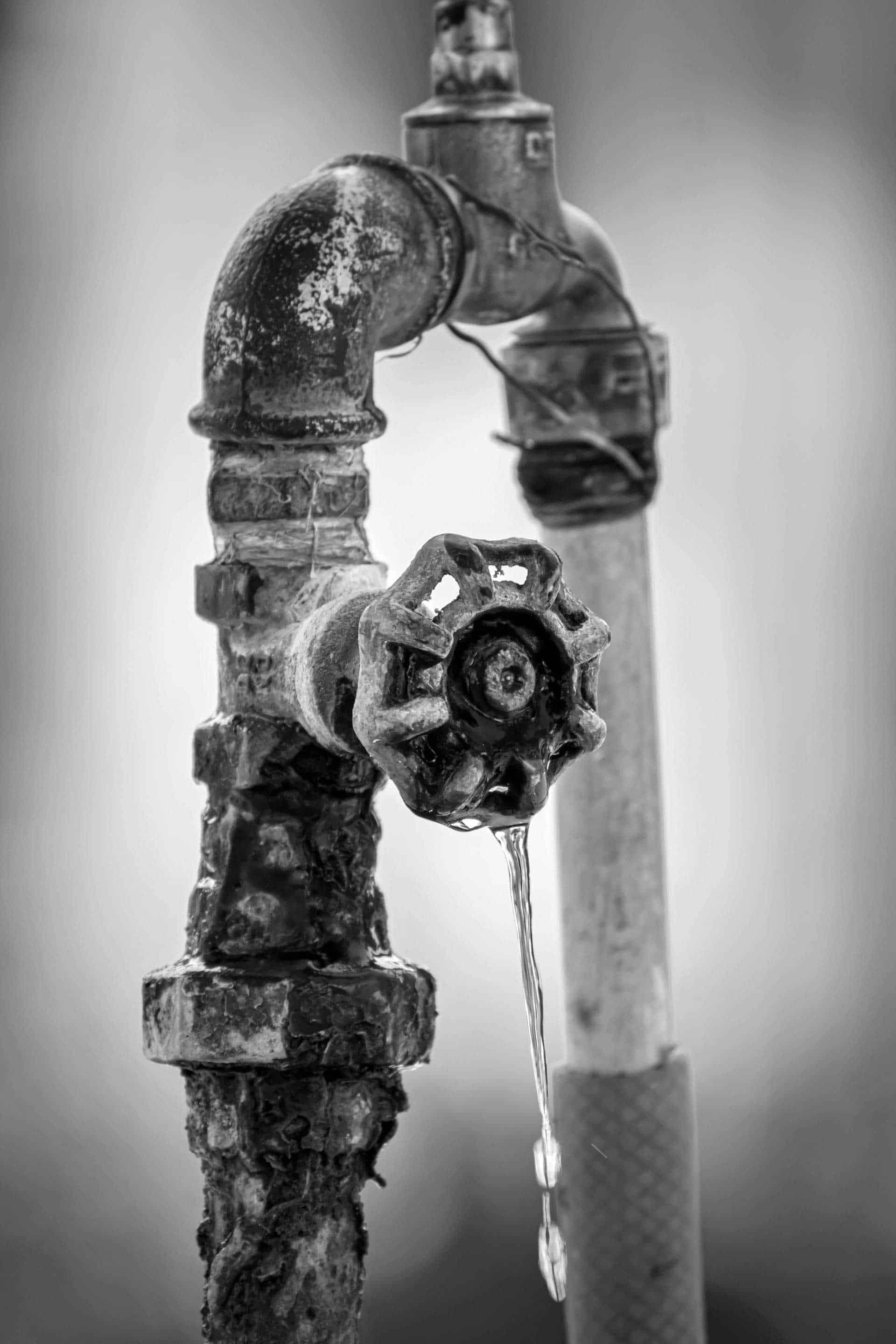
1. Outdoor Faucets and Hose Bibs: Winter freezing can crack faucets internally without visible damage.
Test procedure:
- Remove the hose and turn on each faucet
- Check for leaks inside the home during operation
- Look for dripping or spray from the faucet body
- Verify smooth handle operation
- Install new hose washers for the season
2. Main Water Shut-Off Valve:
Your first defense against plumbing disasters needs annual exercise.
- Locate and label if unmarked
- Turn completely off and on
- Check for stiffness or leaks
- Lubricate if necessary
- Ensure all family members know the location
3. Sewer Cleanout Inspection: Tree roots grow aggressively in spring, seeking moisture in sewer lines.
- Check the cleanout cap seal
- Look for standing water or sewage
- Note any unusual odors
- Schedule a professional inspection if over 3 years
- Clear vegetation around access points
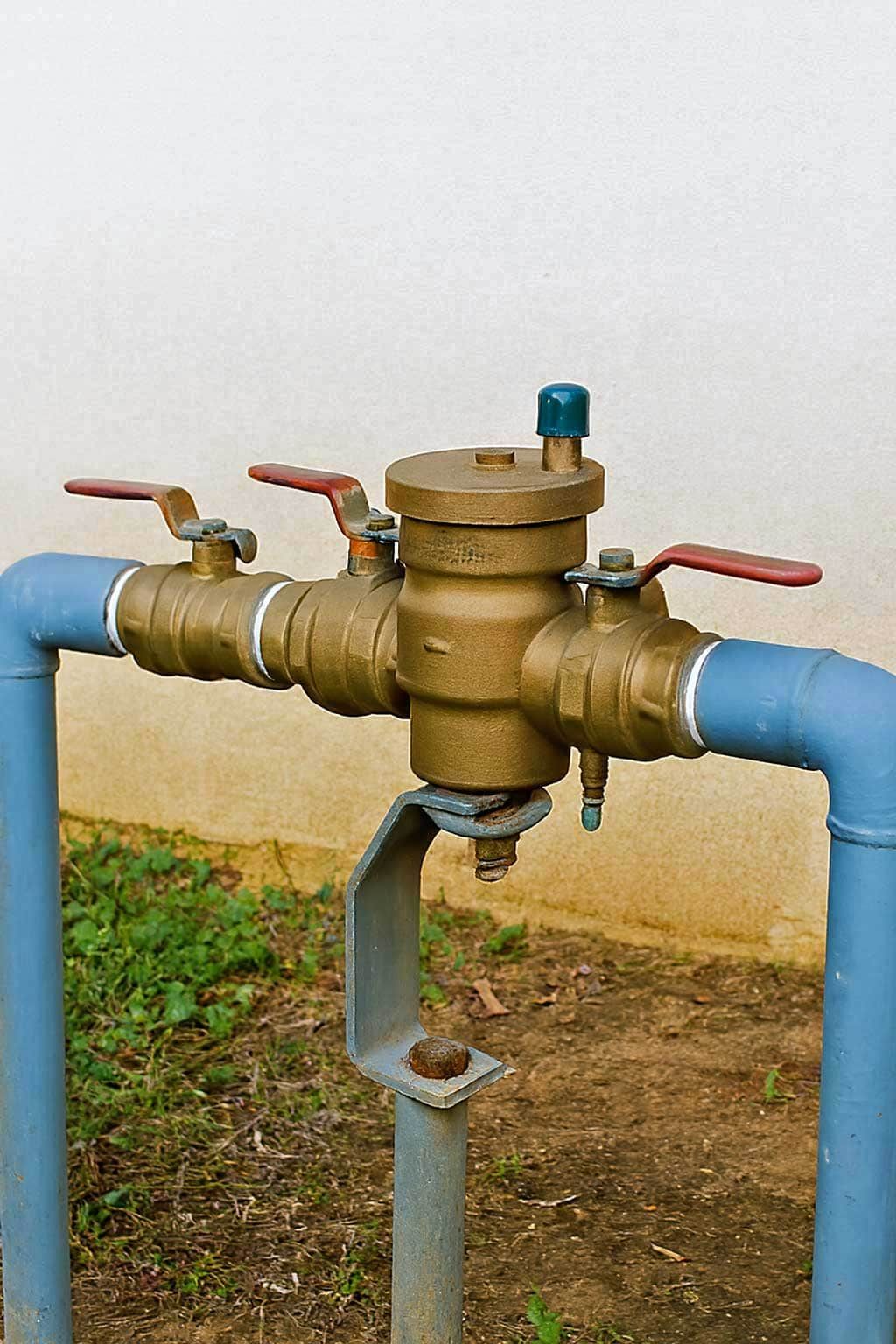
4. Irrigation System Startup: Winterized systems need careful reactivation to prevent damage.
- Inspect the backflow preventer
- Open valves slowly to prevent hammering
- Check each zone for proper operation
- Look for broken or misaligned heads
- Adjust for new landscaping growth
Indoor Plumbing Checkpoints
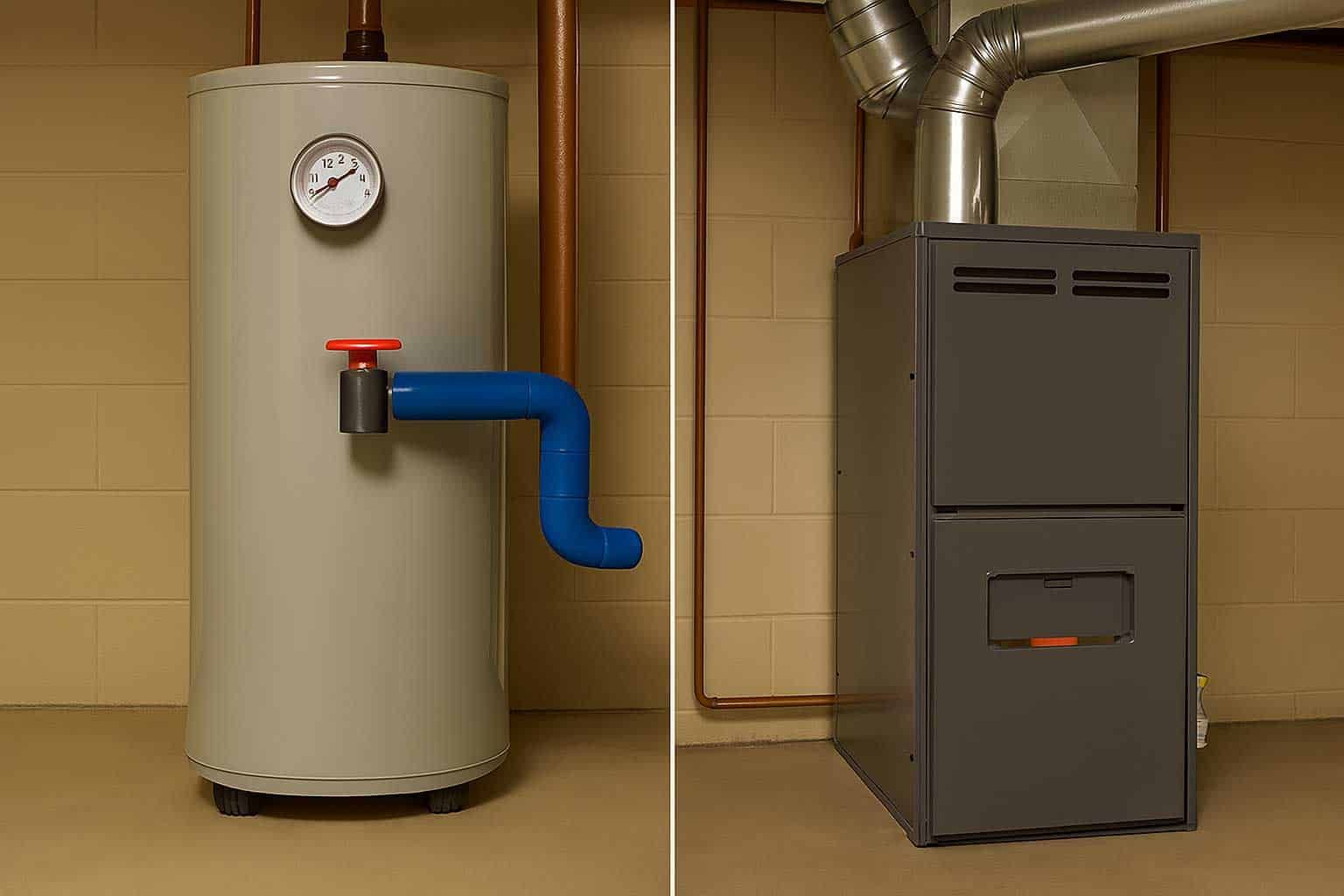
5. Water Heater Evaluation: Sediment accumulation reduces efficiency and shortens lifespan.
Essential checks:
- Temperature setting (120°F recommended)
- Pressure relief valve test
- Signs of corrosion or leaking
- Unusual noises during operation
- Anode rod inspection (professionally recommended)
6. Toilet Performance Testing:
Silent leaks waste thousands of gallons annually.
- Add food coloring to the tank; check the bowl after 30 minutes
- Inspect the flush valve and flapper condition
- Test the fill valve shut-off
- Check for rocking or movement
- Examine the caulk seal at the base
7. Under-Sink Inspections: Hidden leaks cause extensive cabinet and floor damage.
Examine all sinks for:
- Moisture or staining in cabinets
- Corroded or loose connections
- Disposal operation and sealing
- Shut-off valve functionality
- P-trap integrity
8. Washing Machine Connections: Rubber hoses deteriorate over time, risking catastrophic flooding.
- Inspect hoses for bulges or cracks
- Check connections for corrosion
- Verify drain proper operation
- Clean lint from standpipe
- Consider a steel-braided hose upgrade
Drainage and Ventilation
9. Drain Flow Testing: Slow drains indicate developing clogs requiring attention.
Test each fixture:
- Fill sinks and tubs, then release
- Time drainage speed
- Listen for gurgling sounds
- Note any backup in other fixtures
- Schedule cleaning for slow drains
10. Sump Pump Operation:
Spring rain tests sump pump reliability when you need it most.
- Pour water to trigger operation
- Verify check valve prevents backflow
- Clean inlet screen
- Test battery backup if equipped
- Clear discharge line obstructions
11. Vent Stack Inspection: Blocked vents cause drainage problems and sewer gas infiltration.
- Check roof penetration sealing
- Look for bird nests or debris
- Ensure proper height above roof
- Verify vent cap condition
- Note any frost damage
Water Quality and Pressure
12. Pressure Testing: Winter temperature fluctuations affect pressure regulating valves.
- Test with gauge at multiple locations
- Record morning and evening readings
- Check for pressure above 80 PSI
- Inspect PRV for proper operation
- Adjust or replace as needed
13. Water Quality Assessment:
Spring runoff can affect municipal water quality.
Signs requiring attention:
- Discoloration or cloudiness
- Unusual taste or odor
- Staining on fixtures
- Sediment in aerators
- Consider professional testing
Safety and Efficiency
14. Emergency Preparedness: Spring cleaning should include emergency planning updates.
- Update emergency plumber contact
- Review shut-off valve locations
- Check flashlight batteries
- Restock emergency supplies
- Create a family emergency plan
15. Efficiency Audit: Identify opportunities for water and energy savings.
- Calculate water usage trends
- Identify running toilets or drips
- Consider low-flow upgrades
- Review the water heater age
- Plan summer improvement projects
DIY vs. Professional Inspection
Tasks for Homeowners:
- Visual inspections
- Basic testing procedures
- Simple cleaning tasks
- Monitoring and documentation
- Preventive maintenance
Call Professionals For:
- Video sewer inspection
- Pressure problems
- Water heater servicing
- Suspected leaks
- Code compliance questions
Seasonal Timing for Western Washington
March-April Priorities:
- Address freeze damage immediately
- Prepare for spring rain volumes
- Service before summer demand
May-June Focus:
- Complete repairs before vacation season
- Install efficiency upgrades
- Schedule major projects
Creating Your Inspection Schedule
Monthly Quick Checks (10 minutes):
- Run rarely-used fixtures
- Check under sinks
- Test toilet dye
- Monitor water meter
Quarterly Deep Inspection (30 minutes):
- Complete 15-point checklist
- Document changes
- Schedule needed repairs
- Update maintenance log
Annual Professional Service:
- Comprehensive evaluation
- Preventive maintenance
- Code update compliance
- Efficiency recommendations
Red Flags Requiring Immediate Action
Stop using fixtures and call professionals for:
- Sewage odors or backup
- Major pressure changes
- Visible pipe damage
- Water heater leaking
- Foundation water infiltration
Ask The Experts
How can I tell if I have a slab leak during my spring inspection?
Watch for warm spots on floors, unexplained water meter movement when everything's off, sounds of running water without use, or unusually high water bills. These signs warrant immediate professional leak detection to prevent foundation damage.
Should I inspect my plumbing if everything seems to be working fine?
Absolutely. Most plumbing problems develop slowly and early detection saves money. Finding a small leak during inspection costs far less than emergency water damage repair. Annual inspections catch issues before they become emergencies.
Schedule Your Professional Spring Inspection
While DIY inspections catch obvious problems, professional evaluation identifies hidden issues before they become expensive emergencies. Our comprehensive spring inspection includes video sewer inspection, pressure testing, and efficiency analysis. Book your spring plumbing inspection to protect your home all season.