Sump Pump 101: Protection Against Western Washington's Rainy Season
March 1, 2026
Living in Bellingham means managing significant rainfall—over 35 inches annually. Your sump pump stands between a dry basement and thousands in water damage. Understanding how these systems work and maintaining them properly protects your home during our wettest months.
How Sump Pumps Protect Your Home
Sump pumps remove water that accumulates around your foundation, preventing:
- Basement flooding
- Foundation damage
- Mold and mildew growth
- Structural wood rot
- Electrical system damage
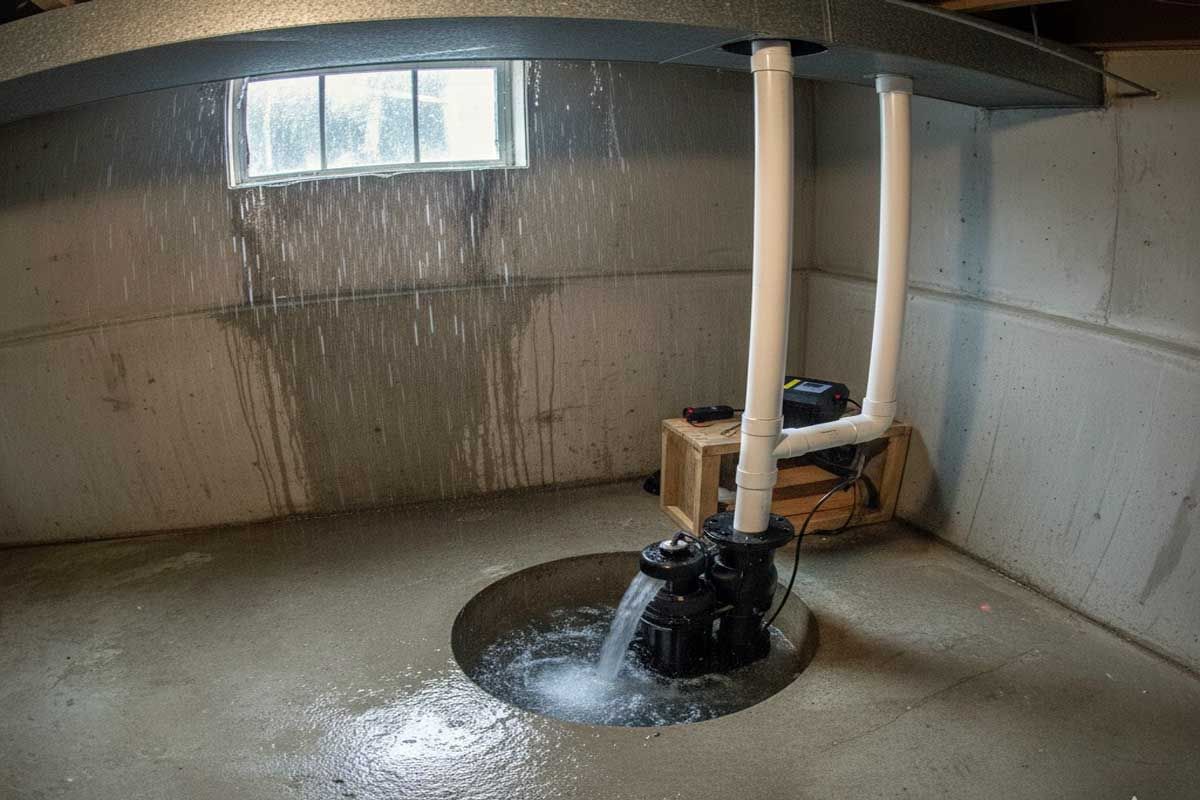
The system collects groundwater in a basin (sump pit) below your basement floor. When water reaches a predetermined level, the pump activates, sending water away from your foundation through discharge pipes.
Types of Sump Pumps
Submersible Pumps:
Installed inside the sump pit, completely underwater.
Advantages:
- Quieter operation
- More powerful pumping
- Saves basement space
- Handles debris better
- Cooler running temperature
Disadvantages:
- Higher initial cost
- Shorter lifespan (5-10 years)
- Harder to service
- More expensive replacement
Pedestal Pumps: Motor sits above the pit on a pedestal.
Advantages:
- Less expensive
- Longer lifespan (10-15 years)
- Easier maintenance access
- Simple installation
- Good for shallow pits
Disadvantages:
- Noisier operation
- Takes up basement space
- Less powerful
- Can overheat with continuous use
Combination Systems: Primary pump plus battery backup for ultimate protection.
Battery Backup Systems: Essential for Whatcom County
Power outages often accompany severe storms—exactly when you need pumping most.
Backup Options:
Battery Backup Pumps
- Automatic activation during power loss
- 5-7 hours continuous operation
- Marine battery typically included
- Charges automatically when power returns
- Peace of mind during storms
Water-Powered Backup
- Uses municipal water pressure
- No battery maintenance required
- Unlimited run time
- Higher water bills during use
- Not suitable for well water
Generator Connection
- Manual or automatic transfer switch
- Powers entire pump system
- Requires generator investment
- Professional installation recommended
Sizing Your Sump Pump
Proper sizing prevents overwhelming during heavy rain or premature wear from oversizing.
Calculate Your Needs:
- Measure pit dimensions
- Time how fast it fills during rain
- Calculate gallons per hour needed
- Add 25-30% safety margin
Typical Requirements:
- Average home: 2,000-3,000 GPH
- High water table: 3,000-5,000 GPH
- Commercial: 5,000+ GPH
Vertical Lift Considerations: Every 10 feet of vertical lift reduces pumping capacity by 30%. Factor total discharge height when selecting pumps.
Warning Signs of Pump Problems
Immediate Attention Required:
- Continuous running without rain
- Unusual noises or vibrations
- Visible rust or corrosion
- Water backing up despite operation
- Burning smell from motor
Developing Issues:
- Longer cycles than normal
- Frequent on/off cycling
- Slow water removal
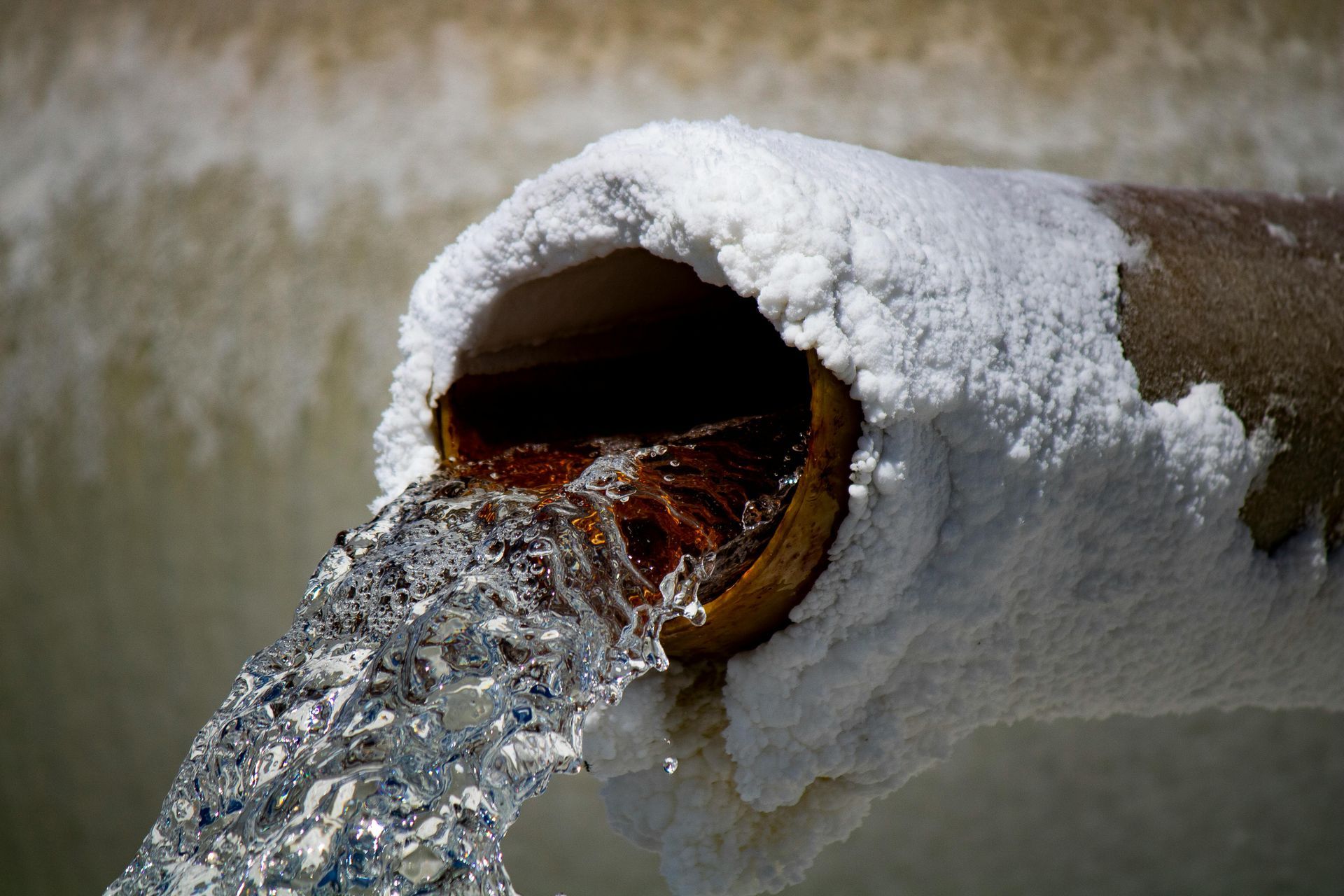
- Discharge pipe freezing
- Check valve failures
Seasonal Maintenance Schedule
Monthly During Rainy Season:
- Pour water to test operation
- Check discharge flow
- Listen for unusual sounds
- Inspect power connections
- Clear pit debris
Quarterly Tasks:
- Clean pump screen/inlet
- Test the check valve operation
- Verify float switch movement
- Inspect the discharge line
- Check the backup battery water
Annual Professional Service:
- Complete system inspection
- Replace battery if needed
- Clean and adjust components
- Test amp draw
- Verify proper sizing
Installation Considerations
Pit Requirements:
- Minimum 18" diameter
- 24-30" deep typically
- Perforated for water entry
- Sealed lid for safety
- Proper drainage stone
Discharge Best Practices:
- Minimum 10 feet from the foundation
- Slope away from home
- Include a check valve
- Freeze protection needed
- Never connect to the sewer
Code Compliance: Bellingham requires:
- GFCI-protected outlet
- Proper discharge location
- Permitted installation
- No illegal sewer connections
Common Sump Pump Mistakes
Installation Errors:
- Pit too small for pump
- Missing check valve
- Incorrect float adjustment
- Inadequate discharge distance
- No backup system
Maintenance Failures:
- Ignoring test cycles
- Debris accumulation
- Dead backup battery
- Frozen discharge lines
- Worn impeller blades
Western Washington Specific Concerns
November-March Challenges:
- Continuous operation during atmospheric rivers
- Power outages from windstorms
- Freezing discharge lines
- Overwhelmed municipal storm systems
- High water table fluctuations
Solutions:
- Oversized primary pumps
- Mandatory backup systems
- Insulated discharge lines
- Regular maintenance increases
- Emergency preparedness planning
Troubleshooting Guide
Pump Won't Start:
- Check the circuit breaker
- Test the GFCI outlet
- Verify float switch movement
- Inspect the power cord
- Call a professional if needed
Runs But Doesn't Pump:
- Check for frozen discharge
- Inspect the check valve
- Look for clogs
- Verify impeller condition
- Consider replacement
Short Cycling:
- Adjust the float switch
- Check for backflow
- Inspect the check valve
- Resize if necessary
- Evaluate the water table
Emergency Preparedness
Essential Supplies:
- Backup pump in the box
- Extra discharge hose
- Wet/dry vacuum
- Sandbags or barriers
- Emergency plumber contact
Action Plan:
- Know the pump location and operation
- Test monthly during the wet season
- Clear storm drains near home
- Monitor weather alerts
- Have backup power ready
Ask The Experts
How long should my sump pump last before needing replacement?
Submersible pumps typically last 5-10 years with proper maintenance, while pedestal pumps can reach 10-15 years. However, pumps in Bellingham's high-use conditions may need replacement sooner. Annual professional inspection helps predict replacement timing.
Do I really need a backup pump if I've never had power outages?
Yes, absolutely. It only takes one power outage during a storm to cause thousands in damage. Battery backup pumps are insurance policies that cost far less than a single flooding incident. Most basement floods occur during power outages.
Protect Your Home from Water Damage
Don't wait for the next atmospheric river to test your sump pump. Our technicians inspect, maintain, and upgrade sump pump systems to match your home's specific needs. Schedule your sump pump evaluation before the rainy season arrives.
Recent Posts
Gary's Plumbing & Heating Blog