Indoor Air Quality and Your HVAC System: What Every Homeowner Should Know

February 1, 2026

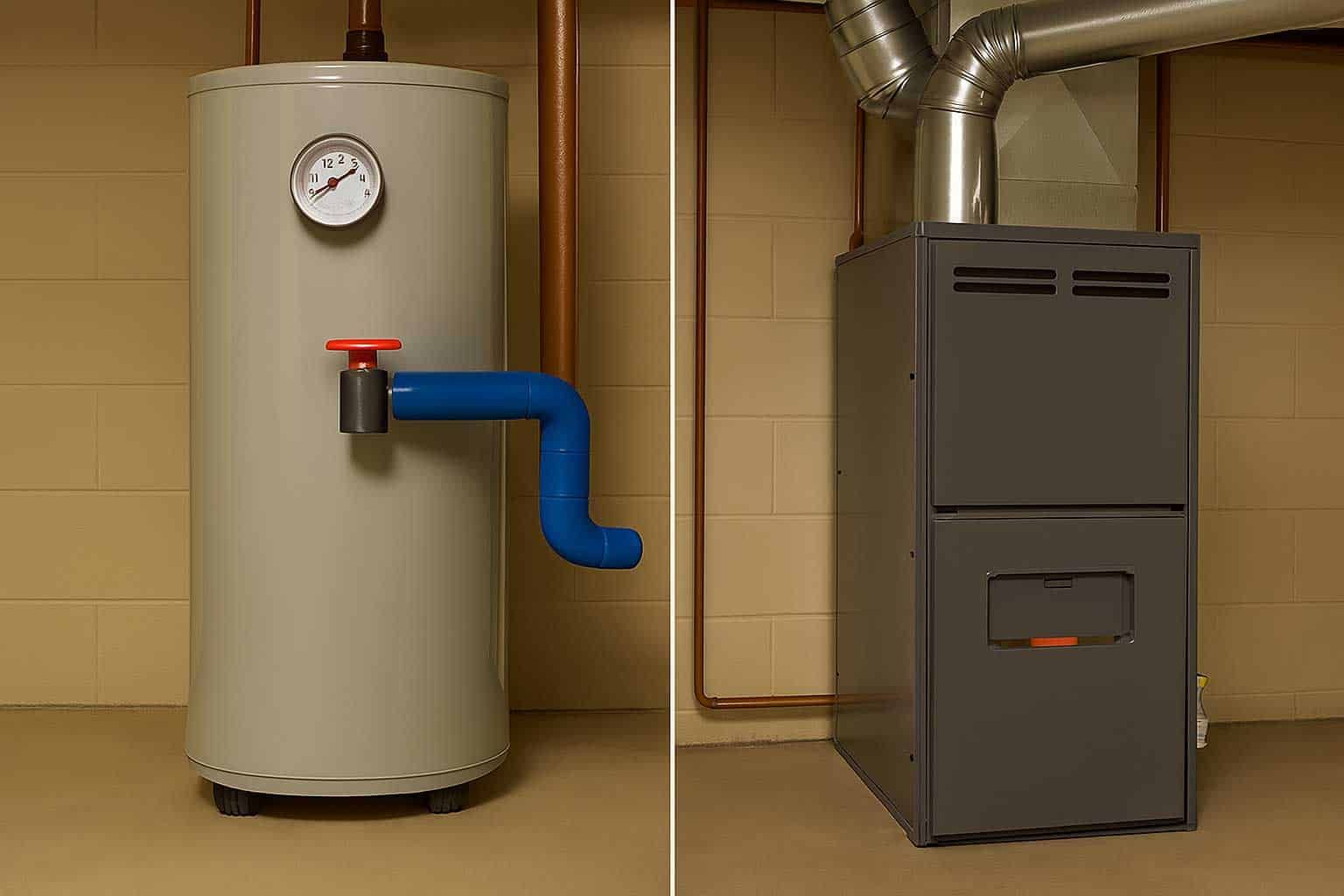
Two water heaters side-by-side; a tall, gray tank next to a white, wall-mounted unit, connected by pipes.

Your HVAC system does more than heat and cool—it's your first defense against indoor air pollutants that trigger allergies, spread illness, and affect overall health. Understanding how your system impacts air quality helps you create a healthier home environment for your family.

Why Indoor Air Quality Matters

Indoor air can be 2-5 times more polluted than outdoor air, according to EPA studies. Since we spend 90% of our time indoors, poor air quality affects:


  • Allergy and asthma symptoms
  • Sleep quality and energy levels
  • Respiratory infections and illness
  • Concentration and productivity
  • Long-term respiratory health


Common indoor pollutants include dust mites, pet dander, pollen, mold spores, volatile organic compounds (VOCs), and bacteria—all circulated by your HVAC system.

How Your HVAC System Affects Air Quality

Air Circulation Patterns: Your furnace or air handler moves 1,000-2,000 cubic feet per minute through your home. Without proper filtration, it redistributes pollutants rather than removing them.

Humidity Control Impact

  • Too dry (below 30%): Increases virus transmission, dry skin, static electricity
  • Too humid (above 50%): Promotes mold, dust mites, bacteria growth
  • Ideal range: 30-50% relative humidity year-round


Temperature's Hidden Role: Inconsistent temperatures create condensation zones where mold thrives. Proper HVAC operation maintains even temperatures that discourage biological growth.

Understanding Air Filtration Options

MERV Ratings Decoded:

  • MERV 1-4: Basic dust protection (not recommended)
  • MERV 5-8: Standard residential filtration
  • MERV 9-12: Superior allergen control
  • MERV 13-16: Hospital-grade filtration

Filter Types and Effectiveness:

Fiberglass Filters ($2-5)

  • Protects equipment only
  • Catches 10% of particles
  • Replace monthly
  • Inadequate for air quality

Pleated Filters ($10-20)

  • MERV 8-12 typical rating
  • Captures 85% of particles
  • Replace every 90 days
  • Good balance of cost and performance

HEPA Filters ($30-40)

  • Captures 99.97% of particles
  • Requires system compatibility
  • Replace every 6-12 months
  • Best for severe allergies

Electronic Air Cleaners ($500-1,500)

  • Charged plates attract particles
  • Washable, reusable design
  • Minimal airflow restriction
  • Professional installation required

Advanced Air Quality Solutions

UV Light Systems ($500-1,500): Installing UV lights in your ductwork:

  • Kills mold, bacteria, and viruses
  • Prevents biological growth on coils
  • Reduces illness transmission
  • Eliminates odors from biological sources

Whole-House Humidifiers ($500-1,200): Maintaining proper humidity:

  • Reduces virus survival rates
  • Prevents wood damage and static
  • Improves respiratory comfort
  • Lowers heating costs (humid air feels warmer)

Air Purification Systems ($1,000-3,000): Hospital-grade technology for homes:

  • Photocatalytic oxidation
  • Bipolar ionization
  • Activated carbon stages
  • 99.9% pathogen reduction

Energy Recovery Ventilators ($1,500-3,000): Fresh air without energy loss:

  • Exchanges stale indoor air
  • Transfers heat/humidity between airstreams
  • Reduces pollutant accumulation
  • Maintains efficiency

Duct System's Critical Role

Hidden Contamination Sources: Dirty ductwork harbors:

  • Accumulated dust and debris
  • Mold from moisture infiltration
  • Pest droppings and dander
  • Construction materials and insulation fibers

Professional Duct Cleaning Benefits:

  • Removes years of contamination
  • Improves airflow efficiency
  • Reduces musty odors
  • Recommended every 3-5 years
  • Cost: $300-500 for an average home

Duct Sealing Impact: Leaky ducts pull contaminated air from:

  • Crawl spaces and attics
  • Wall cavities
  • Garage spaces
  • Areas with pest activity


Proper sealing prevents 20-30% of air loss while blocking pollutant entry.

Seasonal Considerations for Western Washington

Winter Challenges:

  • Closed windows trap pollutants
  • Heating dries air excessively
  • Increased illness transmission
  • Fireplace use adds particles

Spring/Summer Issues:

  • Pollen infiltration peaks
  • Humidity rises with temperature
  • Open windows bring allergens
  • Cooling can create condensation

Year-Round Solutions:

  • Change filters with seasons
  • Adjust humidity targets
  • Schedule maintenance biannually
  • Monitor air quality indicators

Warning Signs of Poor Air Quality

Health Symptoms:

  • Morning congestion or headaches
  • Increased allergy symptoms indoors
  • Frequent respiratory infections
  • Fatigue despite adequate sleep

Environmental Clues:

  • Excessive dust accumulation
  • Musty or stale odors
  • Visible mold growth
  • Static electricity problems
  • Condensation on windows

System Indicators:

  • Filters clogging rapidly
  • Uneven temperatures
  • Increased energy bills
  • Short cycling or long run times

Maintenance for Optimal Air Quality

Monthly Tasks:

  • Check and replace filters
  • Clear supply and return vents
  • Monitor humidity levels
  • Run bathroom fans during showers

Quarterly Actions:

  • Clean vent covers
  • Inspect for mold or moisture
  • Test UV bulbs if installed
  • Check drain pans and lines

Annual Professional Service:

  • Coil cleaning and inspection
  • Ductwork evaluation
  • Calibration of controls
  • Air quality testing

Cost-Benefit Analysis

Investment in Air Quality:

  • Basic filtration upgrade: $100-200/year
  • UV light system: $500-1,500 (lasts 10+ years)
  • Whole-house purification: $1,000-3,000
  • Complete duct cleaning: $300-500

Health Cost Savings:

  • Reduced doctor visits: $500-1,500/year
  • Fewer sick days: Invaluable
  • Decreased medication needs: $200-600/year
  • Improved sleep quality: Priceless

Ask The Experts

  • How often should I really change my filter if I have pets?

    With pets, check filters monthly and change them every 30-60 days, even if the package says 90 days. Pet hair and dander clog filters faster, reducing airflow and forcing your system to work harder.

  • Can improving indoor air quality help with my family's allergies?

    Absolutely. Upgrading to MERV 11-13 filters and adding UV lights can reduce airborne allergens by up to 90%. Many clients report significant allergy improvement within weeks of air quality improvements.

Still Have Questions? Ask Our Experts

Breathe Easier with Professional Air Quality Solutions

Don't let poor air quality affect your family's health and comfort. Our technicians assess your current system, test air quality, and recommend targeted improvements. Schedule your air quality evaluation to create a healthier home environment.

You might also like

Gary's Plumbing & Heating Blog

Plumber adjusts valve to manage water pressure.
By Matt Agnini January 29, 2026
Learn optimal PSI, test water pressure, fix high/low pressure problems & prevent costly damage. Expert tips for Bellingham homeowners. Schedule service today.
Two water heaters side-by-side: a tall, gray tank next to a white, wall-mounted unit
By Matt Agnini January 27, 2026
Compare tank, tankless & heat pump water heaters for Bellingham homes. Costs, efficiency ratings & expert tips to choose the best system for your needs.
Plumber repairing a burst pipe, water spraying, wearing gloves and a blue beanie.
By Matt Agnini December 22, 2025
Plumbing problems can’t wait for spring. From frozen pipes to sump pump repair, our team offers 24/7 winter plumbing service in Bellingham & Whatcom County.

Book a Service Today