The Complete Guide to Water Heater Types: Tank vs. Tankless vs. Heat Pump
January 27, 2026
When it's time to replace your water heater, understanding the differences between tank, tankless, and heat pump models helps you make the best choice for your Bellingham home. Each type offers distinct advantages depending on your household size, budget, and efficiency goals.
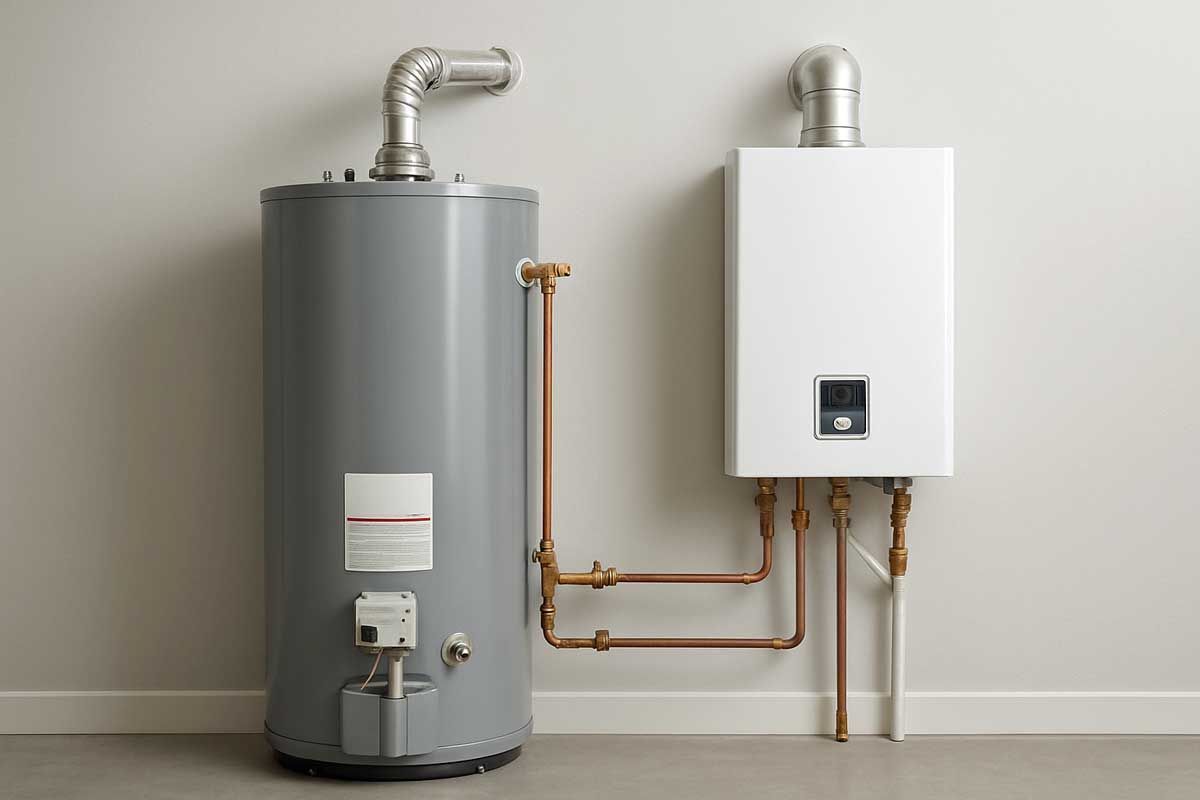
Traditional Tank Water Heaters
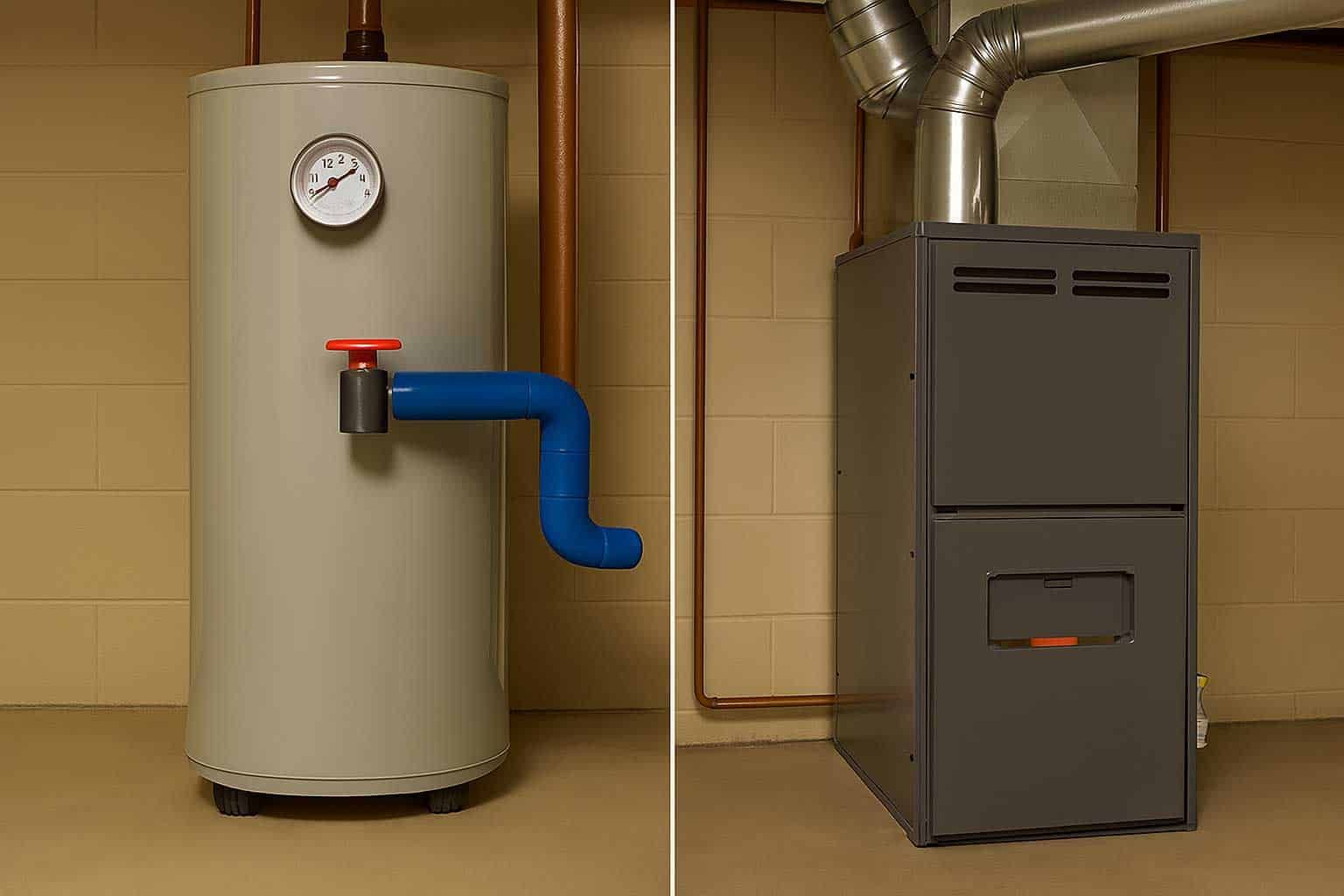
Tank water heaters store 40-80 gallons of pre-heated water, ready whenever you need it.
Key Benefits:
- Lower upfront cost
- Simple, reliable technology
- Handles multiple fixtures simultaneously
- Works during power outages (gas models)
- Compatible with existing plumbing
Potential Drawbacks:
- Higher monthly energy costs from standby heat loss
- Limited hot water supply during heavy use
- Requires dedicated floor space
- 8-12 year average lifespan
- Risk of tank leaks over time
Annual Operating Cost: $300-$600 depending on fuel type
Tankless Water Heaters
These compact units heat water on-demand as it flows through the system.
Key Benefits:
- Endless hot water supply
- 24-34% more efficient than tanks
- Wall-mounted to save space
- 20+ year lifespan
- No tank failure flooding risk
Potential Drawbacks:
- Higher installation cost
- May need electrical/gas upgrades
- Slight delay for hot water arrival
- Flow rate limitations
- Annual descaling required
Annual Operating Cost: $200-$400 depending on usage
Heat Pump Water Heaters
Hybrid heat pump models extract heat from surrounding air to warm water efficiently.
Key Benefits:
- 2-3x more efficient than standard electric
- $300-$500 annual energy savings
- Federal tax credits available
- Dehumidifies basement spaces
- Smart controls and vacation modes
Potential Drawbacks:
- Highest upfront cost
- Needs 1,000+ cubic feet of air space
- Less efficient below 40°F
- Slightly noisy operation
- Slower recovery during peak use
Annual Operating Cost: $100-$250 for average household
Choosing the Right System
By Household Size:
- 1-2 people: 40-50 gallon tank or single tankless
- 3-4 people: 50-60 gallon tank or mid-size tankless
- 5+ people: 75+ gallon tank or multiple tankless units
By Priority:
- Lowest upfront cost: Traditional tank
- Maximum efficiency: Heat pump
- Unlimited hot water: Tankless
- Smallest footprint: Tankless
- Longest lifespan: Tankless (with maintenance)
Installation Considerations
Space Requirements:
- Tank: 2x2 foot floor space plus clearance
- Tankless: Wall space with gas/electrical access
- Heat pump: 1,000+ cubic feet surrounding area
Infrastructure Needs:
- Gas line capacity for tankless upgrades
- Electrical panel capacity for heat pumps
- Venting requirements for gas models
- Condensate drainage for high-efficiency units
Local Factors for Whatcom County
Western Washington's mild temperatures and relatively soft water create favorable conditions for all three types:
- Heat pumps work efficiently in our 40-70°F garages
- Soft water reduces tankless descaling frequency
- Moderate climate minimizes extreme demand spikes
- Basement installations benefit from heat pump dehumidification
Ask The Experts
How do I know when to replace vs. repair my water heater?
If your water heater is over 10 years old and needs repairs exceeding $500, replacement typically makes more financial sense. Warning signs include rust-colored water, rumbling sounds, or water pooling around the base.
Which type of water heater provides the fastest payback through energy savings?
Heat pump water heaters typically pay back their higher initial cost within 3-4 years through energy savings, especially when replacing electric tank models. Federal tax credits can accelerate this payback period.
Ready to Choose Your New Water Heater?
Our experienced technicians can evaluate your home's specific needs, calculate potential energy savings, and identify available rebates for your situation.
Schedule your free water heater consultation to find the perfect solution for reliable, efficient hot water.