Understanding Your Home's Water Pressure: Problems, Solutions & Safety
January 29, 2026
Water pressure affects everything from your morning shower to your appliance lifespan. Too much pressure damages pipes and fixtures, while too little makes daily tasks frustrating. Here's what every Bellingham homeowner needs to know about maintaining optimal water pressure.
What Is Normal Water Pressure?
Residential water pressure should measure between 40-80 PSI (pounds per square inch), with 50-60 PSI being ideal for most homes.
Testing Your Water Pressure:
- Purchase a pressure gauge ($10-15 at hardware stores)
- Attach to outdoor spigot or laundry faucet
- Turn off all water inside the home
- Open the test faucet completely
- Read the gauge for accurate pressure
Test morning and evening to identify fluctuations, as municipal pressure varies throughout the day.
High Water Pressure Problems
Pressure exceeding 80 PSI creates serious issues that worsen over time.
Warning Signs:
- Banging pipes (water hammer)
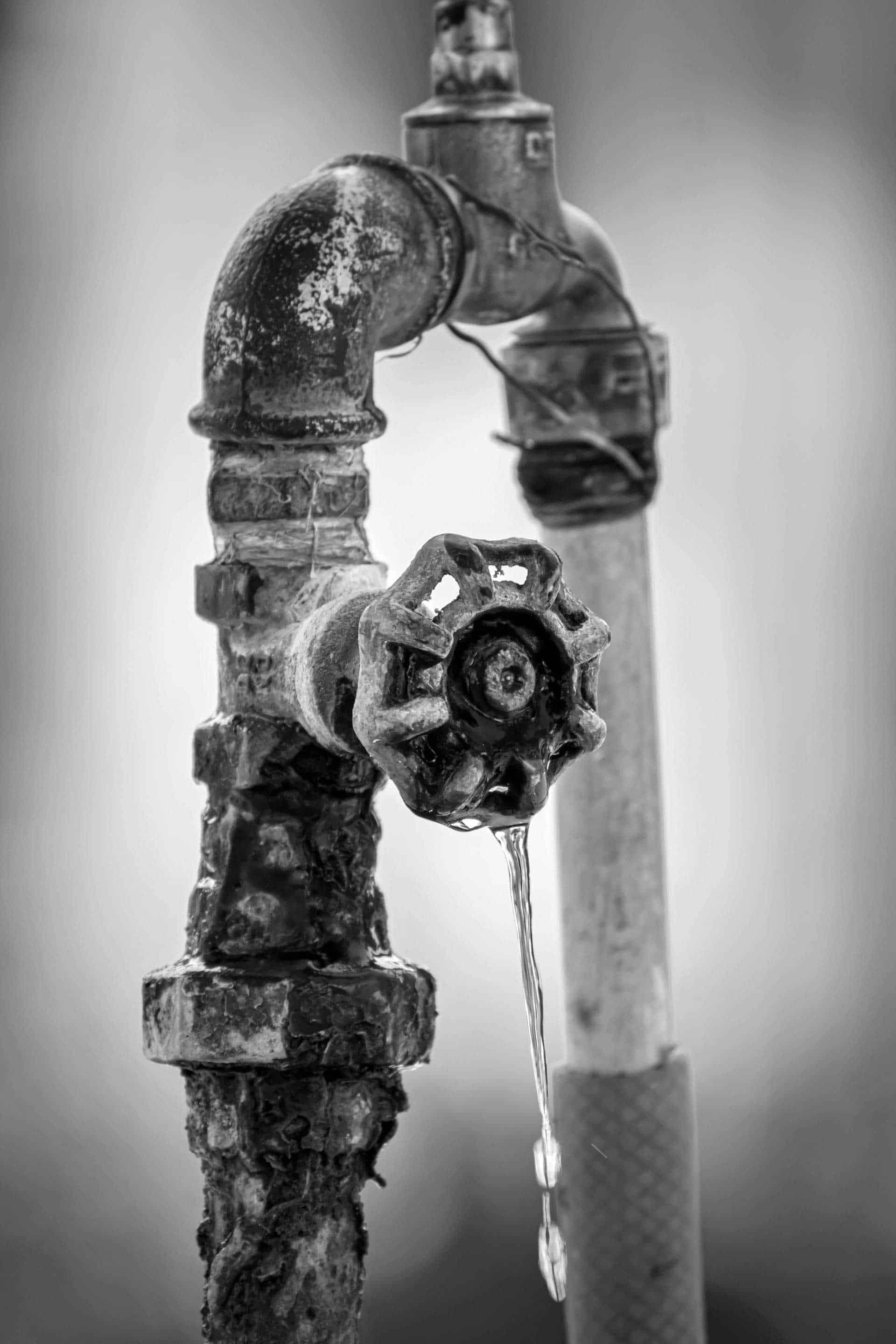
- Leaking faucets and running toilets
- Shortened appliance lifespan
- Pinhole leaks in copper pipes
- Higher water bills from waste
Hidden Damage:
- Washing machine hose failures
- Water heater stress and early failure
- Dishwasher seal deterioration
- Toilet fill valve damage
- Pipe joint weakening
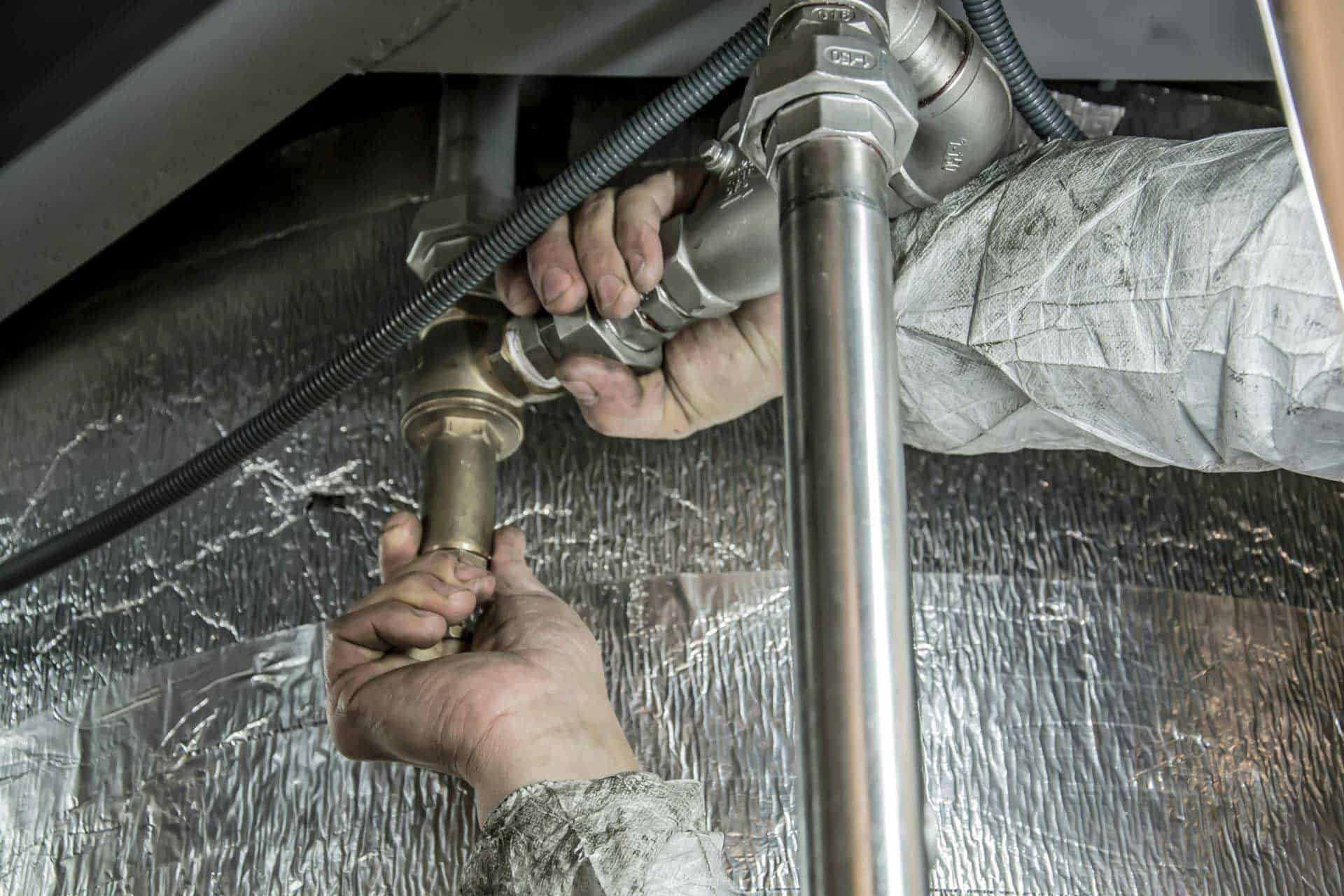
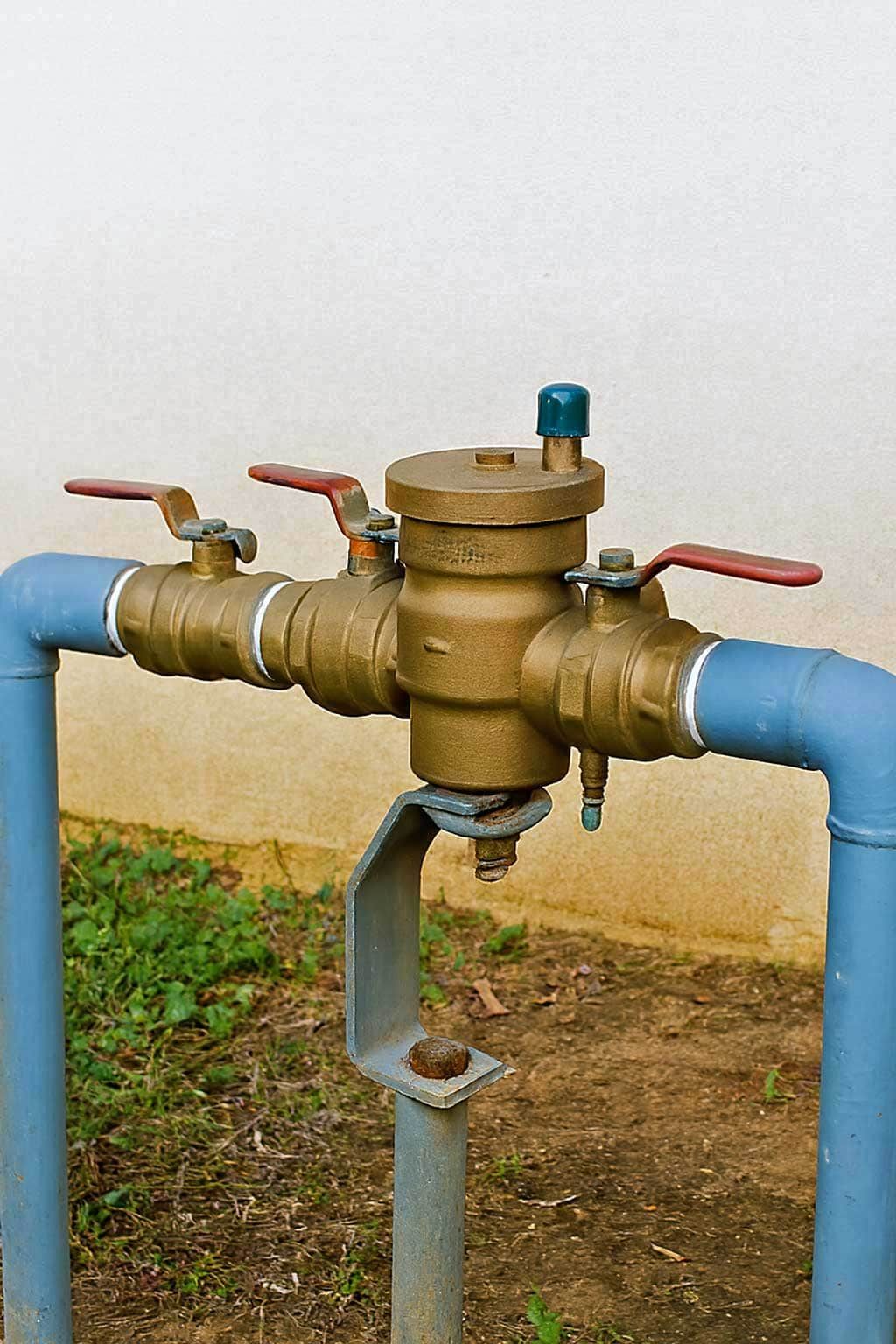
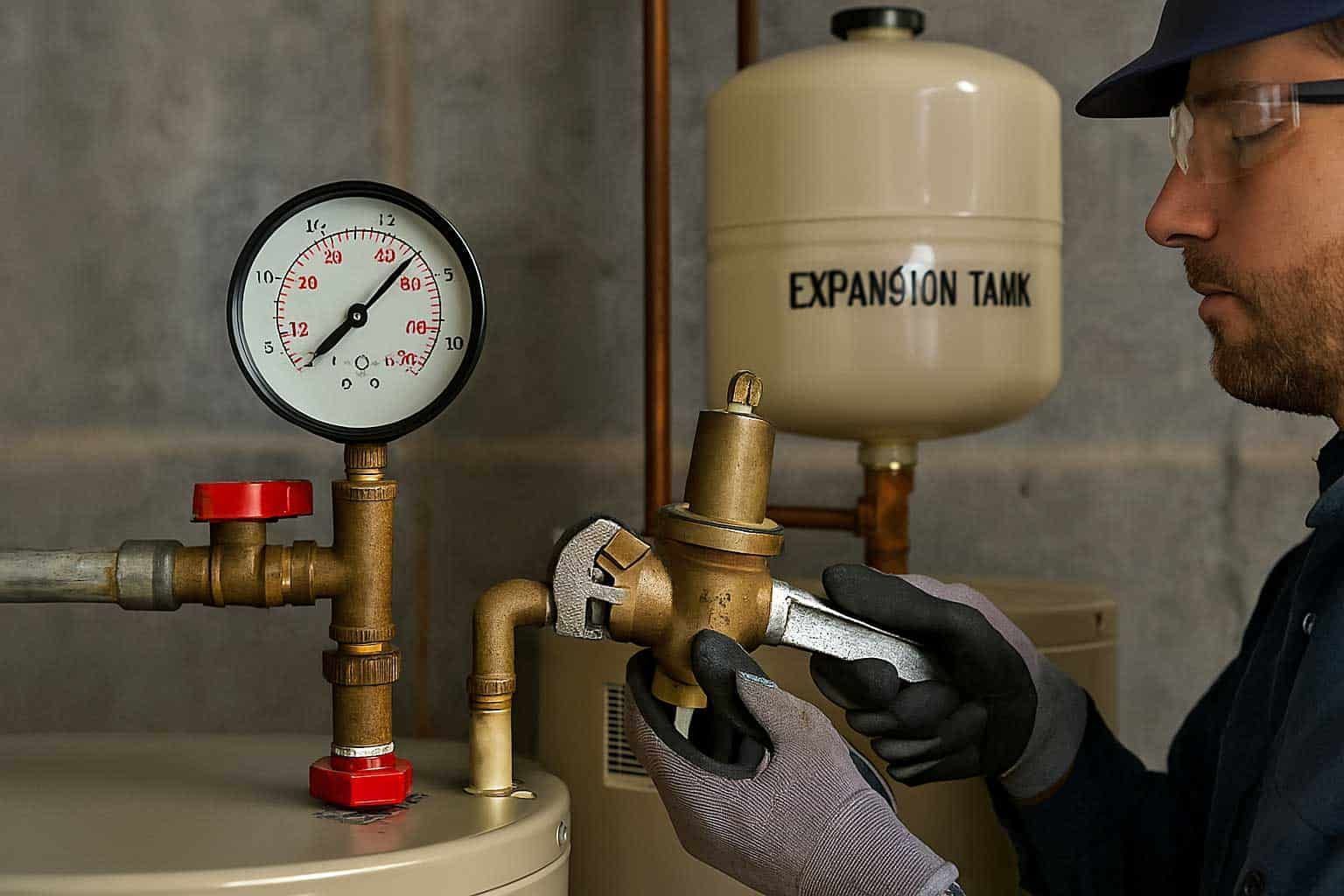
The Solution: Pressure Reducing Valves (PRV). Installing a PRV at your main water line protects your entire plumbing system. These devices:
- Maintain consistent pressure regardless of municipal fluctuations
- Cost $250-$500 installed
- Last 7-12 years with proper maintenance
- Pay for themselves through preventing damage
Low Water Pressure Problems
Pressure below 40 PSI makes showers weak and appliances inefficient.
Common Causes:
- Corroded galvanized pipes
- Partially closed main valve
- Failing pressure regulator
- Municipal supply issues
- Hidden leaks
- Clogged fixtures or pipes
Diagnosis Steps:
- Check if all fixtures are affected (whole-house issue)
- Test hot vs. cold water pressure
- Inspect main shut-off valve position
- Look for visible leaks
- Review recent water bill for usage spikes
Solutions by Cause:
- Mineral buildup: Clean aerators and showerheads
- Old pipes: Consider repiping with modern materials
- PRV failure: Replace the pressure regulator
- Municipal issues: Install pressure booster system
Pressure Fluctuations
Sudden pressure changes indicate developing problems requiring attention.
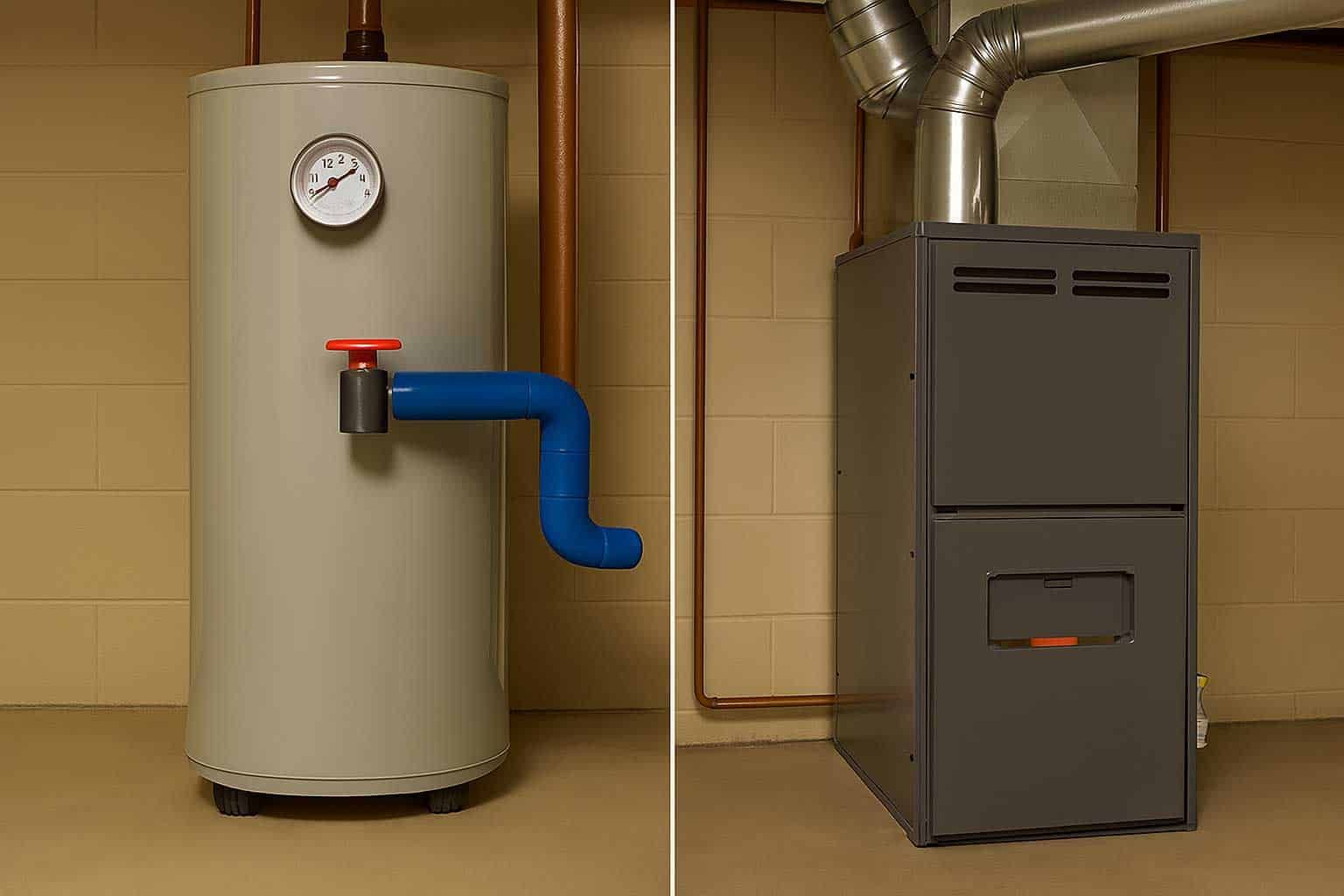
Thermal Expansion: When water heaters lack expansion tanks, pressure spikes occur during heating cycles. Installing an expansion tank ($150-$350) prevents this dangerous situation.
Well System Issues: Homes with private wells experience fluctuations from:
- Pressure tank bladder failure
- Pump cycling problems
- Switch adjustment needs
- Tank waterlogging
Safety Concerns
Emergency Situations Requiring Immediate Action:
- Pressure exceeding 100 PSI
- Sudden complete pressure loss
- Visible pipe bulging
- Major leaks from pressure damage
- Water hammer severe enough to shake pipes
Preventing Catastrophic Failures:
- Install pressure gauges for monitoring
- Test PRVs annually
- Replace washing machine hoses every 5 years
- Install water leak detection systems
- Know the main shut-off location
Seasonal Considerations for Western Washington
Our region's unique factors affect water pressure:
Winter Concerns:
- Frozen pipes create dangerous pressure buildup
- Holiday guests increase demand
- Municipal systems work harder
Summer Patterns:
- Irrigation demands lower municipal pressure
- Thermal expansion increases with higher ground temperatures
- Outdoor faucet use reveals pressure problems
Professional Pressure Solutions
When to Call a Plumber:
- Pressure consistently outside 40-80 PSI
- Fluctuations exceeding 20 PSI
- Water hammer despite arrested installations
- Suspected pipe damage from high pressure
- PRV installation or replacement needs
Upgrade Options:
- Smart pressure monitoring systems
- Whole-house pressure regulation
- Expansion tank installation
- Pipe replacement for better flow
- Pressure booster systems
Cost-Benefit Analysis
Annual Damage Costs from Unregulated Pressure:
- Fixture replacements: $200-$500
- Appliance repairs: $300-$800
- Water waste: $100-$300
- Emergency repairs: $500-$2,000
Investment in Pressure Management:
- PRV installation: $250-$500 (lasts 7-12 years)
- Annual inspection: $75-$100
- Expansion tank: $150-$350 (lasts 5-8 years)
DIY Maintenance Tips
- Test pressure quarterly
- Clean fixture aerators biannually
- Inspect visible pipes monthly
- Monitor water bills for usage spikes
- Exercise the main shut-off valve annually
Ask The Experts
My pipes bang when I turn off faucets quickly. Is this a pressure problem?
Water hammer typically indicates high pressure or missing arrestors. While pressure above 80 PSI often causes this, even normal pressure can create hammer without proper arrestors installed at quick-closing valves.
Can high water pressure void my homeowner's insurance claim?
Yes, some policies exclude damage from excessive pressure if you haven't maintained proper pressure regulation. Installing and maintaining a PRV demonstrates responsible homeownership and protects your coverage.
Protect Your Home's Plumbing System
Don't wait for expensive damage to reveal pressure problems. Our technicians can test your system, identify issues, and install proper pressure management solutions. Schedule your pressure evaluation to ensure safe, efficient water delivery throughout your home.