Garbage Disposal Do's and Don'ts: Summer Edition

July 18, 2025

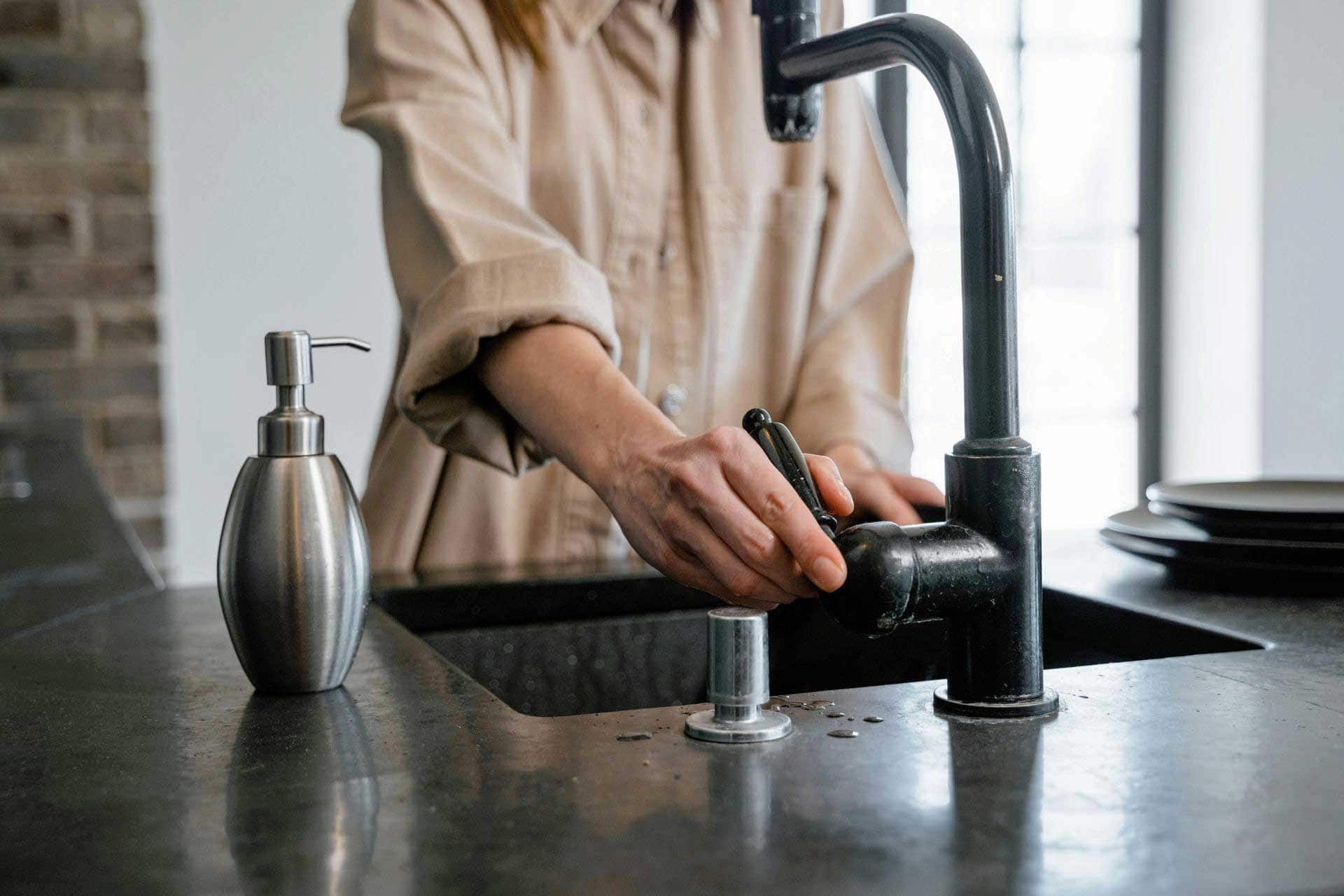
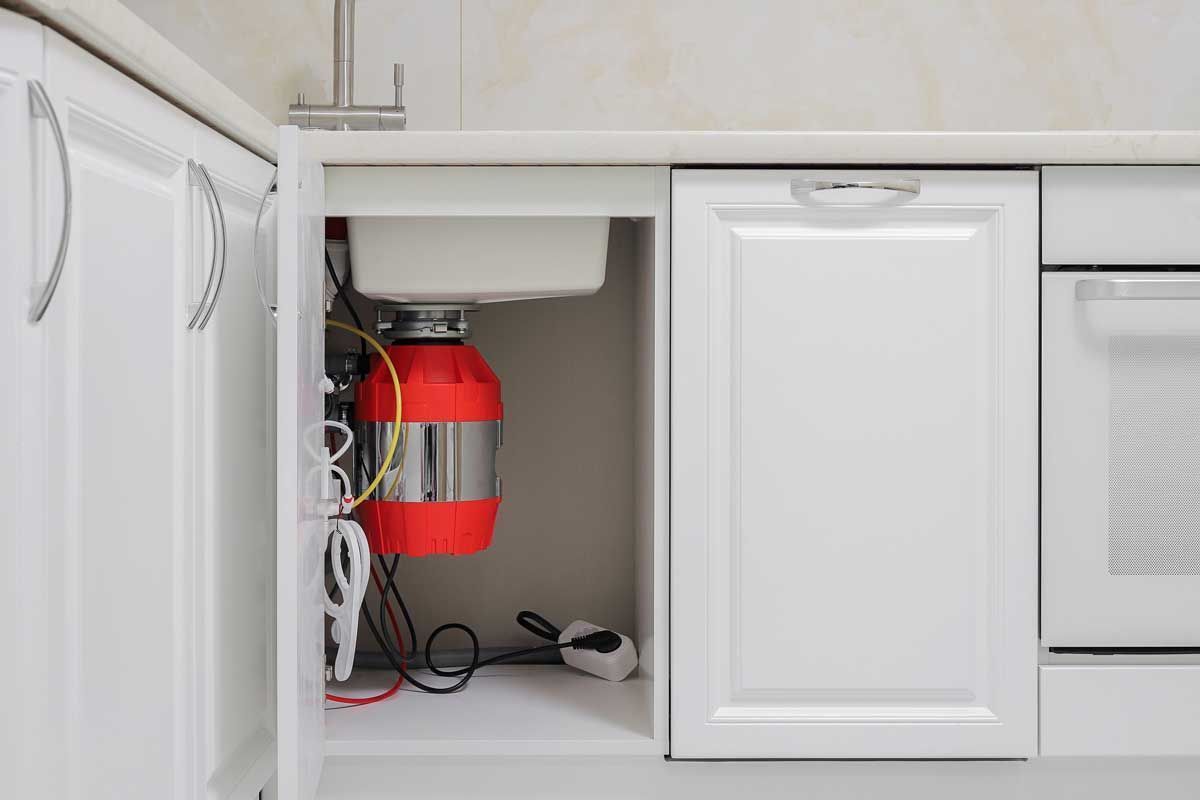
A kitchen sink with a garbage disposal underneath it.

Summer brings increased cooking and entertaining, putting extra strain on your garbage disposal. Understanding proper usage and maintenance prevents clogs and keeps your kitchen running smoothly during peak entertaining season.

Summer Disposal Challenges

Warmer months create unique disposal issues that can lead to clogs, odors, and expensive repairs. The combination of increased cooking, fresh produce consumption, and outdoor entertaining puts extra strain on disposal systems that may have operated trouble-free during cooler months.

  • Increased fruit and vegetable waste from fresh produce
  • Corn husks and other fibrous materials from barbecues
  • Grease buildup from outdoor cooking brought indoors
  • Higher volume of waste from entertaining guests
  • Food scraps sitting longer in warm weather, creating odors


Summer's abundance of fresh produce means more peels, cores, and stems entering your disposal. While some of these materials are safe for disposal use, others can cause serious problems if not handled properly.

Essential Do's for Disposal Care

Following proper disposal practices prevents most problems and extends the life of your unit. Understanding how your disposal works and what helps it function properly ensures reliable operation throughout peak summer usage.


Follow these practices for optimal performance:


  • Run cold water before, during, and after using the disposal
  • Feed waste gradually rather than cramming everything at once
  • Use the disposal regularly to prevent rust and corrosion
  • Grind small amounts of ice to help clean the blades
  • Cut large items into smaller pieces before disposal


Cold water is essential because it solidifies grease and oil, allowing the disposal to chop them into small pieces that won't clog pipes downstream. Hot water melts grease, which then re-solidifies in your pipes and creates stubborn blockages.

Critical Don'ts to Avoid

Understanding what never belongs in your disposal prevents expensive repairs and maintains smooth operation. Many disposal problems result from homeowners treating the unit like a garbage can rather than a specialized appliance with specific limitations.


Never put these items down your disposal:

  • Grease, oil, or fat (solidifies and causes clogs)
  • Fibrous materials like corn husks, celery, or asparagus
  • Bones, shells, or other hard materials
  • Starchy foods like pasta, rice, or potato peels
  • Non-food items like paper, plastic, or metal


Fibrous materials wrap around disposal blades and can jam the motor, while starchy foods expand when wet and create paste-like substances that clog pipes. Even small amounts of these materials can cause problems over time.

Summer-Specific Waste Handling

Manage seasonal waste properly:

  • Compost fruit and vegetable scraps instead of using disposal
  • Dispose of corn cobs and husks in regular trash
  • Wipe grease from plates before washing
  • Freeze meat scraps until garbage day rather than using disposal
  • Save cooking oil for proper disposal at recycling centers

Preventing Clogs and Odors

Keep your disposal fresh and functional:

  • Run disposal with cold water for 15 seconds after waste is gone
  • Clean weekly with baking soda and vinegar
  • Grind citrus peels occasionally for fresh scent
  • Use enzyme-based cleaners monthly for deep cleaning
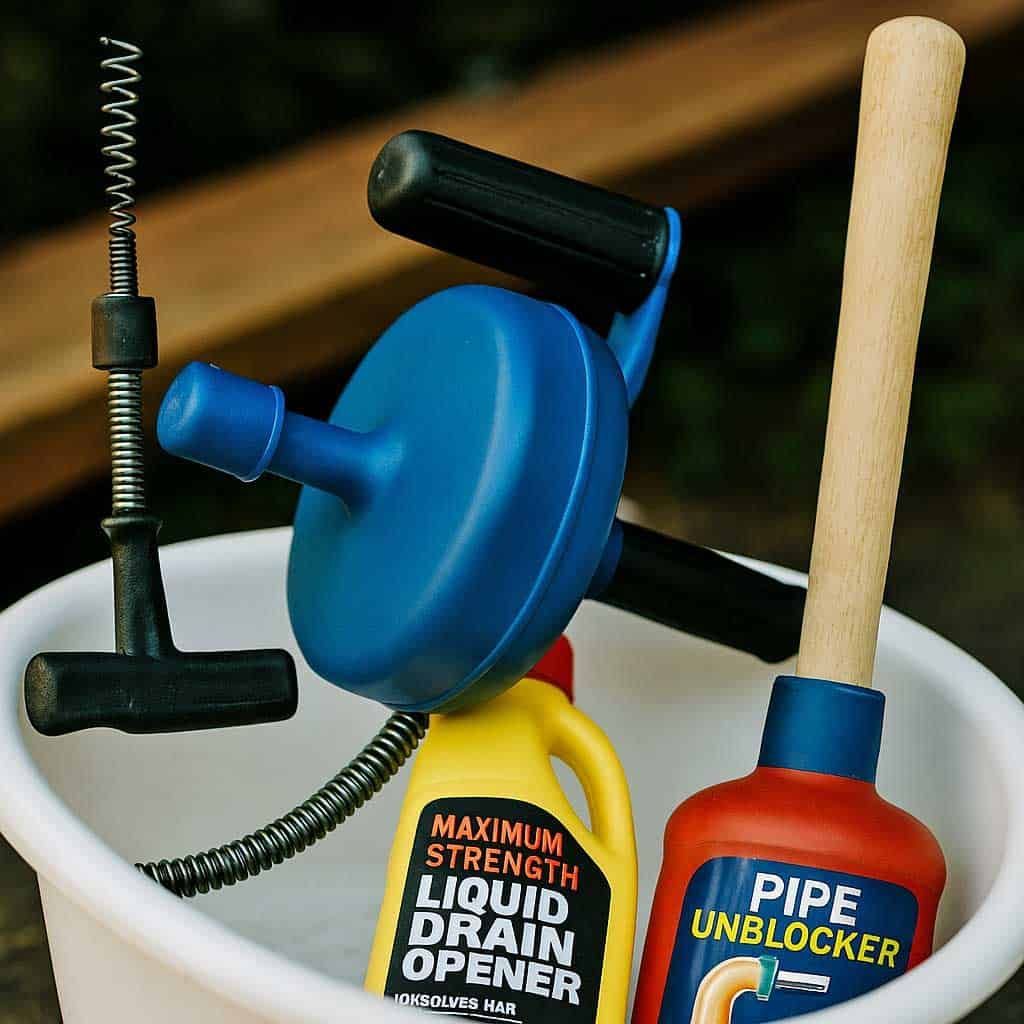
  • Avoid chemical drain cleaners that can damage components

Maintenance Tips for Peak Season

Regular care prevents summer breakdowns:

  • Check for leaks under the sink regularly
  • Listen for unusual sounds indicating problems
  • Test the reset button if disposal stops working
  • Keep the area under the sink clean and dry
  • Schedule professional inspection if problems persist

Emergency Troubleshooting

If your disposal stops working:

  • Never put your hand inside the disposal
  • Check the reset button on the bottom of the unit
  • Ensure the disposal is plugged in properly
  • Use an Allen wrench to manually turn the blades from underneath
  • Call a professional if these steps don't resolve the issue


Don't let disposal problems ruin your summer entertaining. Contact us today for professional service and keep your kitchen running smoothly all season long.

You might also like

Gary's Plumbing & Heating Blog

Plumber adjusts valve to manage water pressure.
By Matt Agnini January 29, 2026
Learn optimal PSI, test water pressure, fix high/low pressure problems & prevent costly damage. Expert tips for Bellingham homeowners. Schedule service today.
Two water heaters side-by-side: a tall, gray tank next to a white, wall-mounted unit
By Matt Agnini January 27, 2026
Compare tank, tankless & heat pump water heaters for Bellingham homes. Costs, efficiency ratings & expert tips to choose the best system for your needs.
Plumber repairing a burst pipe, water spraying, wearing gloves and a blue beanie.
By Matt Agnini December 22, 2025
Plumbing problems can’t wait for spring. From frozen pipes to sump pump repair, our team offers 24/7 winter plumbing service in Bellingham & Whatcom County.

Book a Service Today