Benefits of Installing a Mini Split System in Pacific Northwest Homes

May 17, 2026

Mini splits save 40-50% on heating costs in Bellingham's climate. Zone control, easy installation & cooling included. Get expert sizing & installation today.

Mini split systems offer Pacific Northwest homeowners unprecedented comfort control and efficiency. These ductless heating and cooling solutions excel in our mild climate, providing year-round comfort without the expense and complexity of traditional ducted systems.

Understanding Mini Split Technology

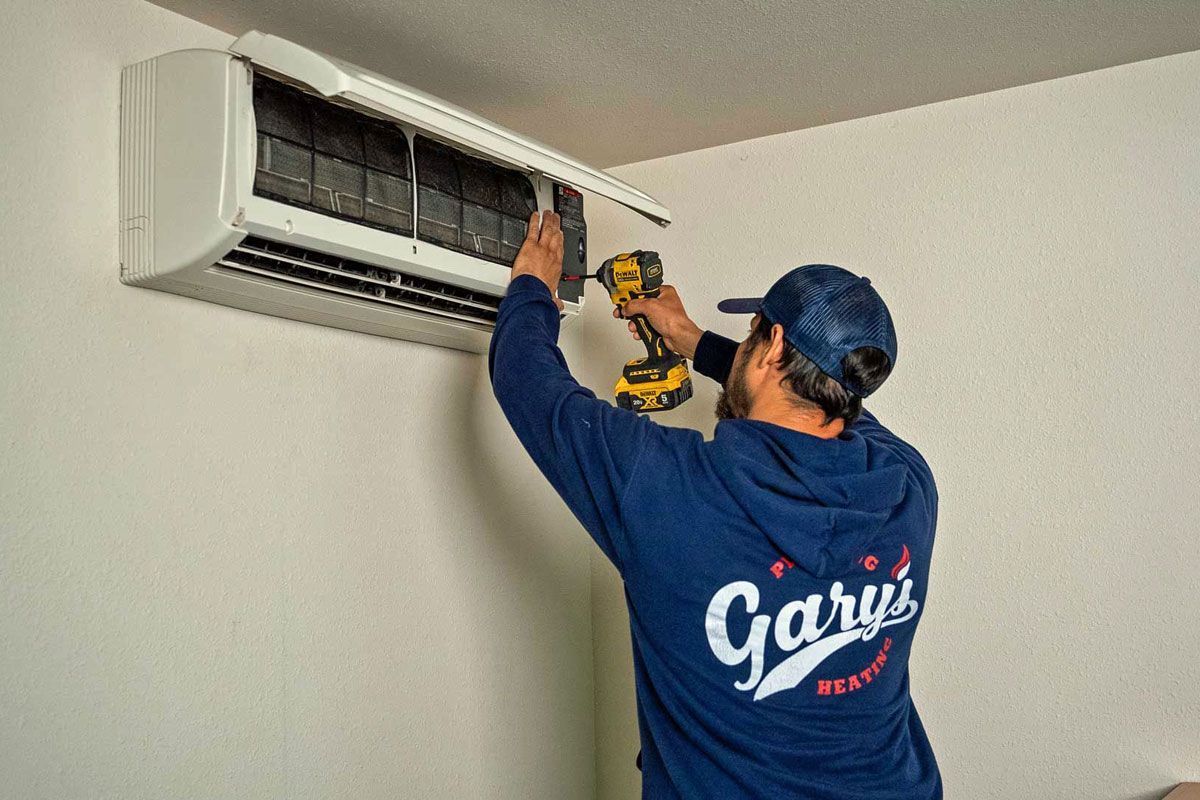
Mini splits consist of an outdoor compressor unit connected to one or more indoor air handlers through small refrigerant lines. Unlike central systems pushing air through ducts, each indoor unit delivers conditioned air directly to specific zones.

Key Components:

  • Outdoor unit: Houses compressor and condenser
  • Indoor units: Wall-mounted, ceiling, or floor models
  • Refrigerant lines: 3-inch conduit connects components
  • Remote controls: Individual zone management
  • Optional Wi-Fi: Smartphone control capability


This simple design eliminates ductwork energy losses that waste 20-30% of heating and cooling in traditional systems.

Perfect Match for Pacific Northwest Climate

Heating Efficiency in Mild Winters: Modern mini splits maintain efficiency even at 5°F—rare in Bellingham where average winter lows stay above 35°F.

Performance advantages:

  • Delivers 300-400% efficiency (COP of 3-4)
  • Costs 50-60% less than electric resistance heating
  • Outperforms gas furnaces in our mild climate
  • Provides consistent temperature without cycling
  • Eliminates cold spots common with forced air

Cooling Without Overkill: Our moderate summers rarely exceed 80°F, making mini splits ideal.

Summer benefits:

  • Dehumidification improves comfort
  • Quiet operation vs. window units
  • No ductwork installation for older homes
  • Instant cooling for heat waves
  • Energy-efficient for occasional use

Zone Control Revolution

Personalized Comfort: Each room gets independent temperature control—revolutionary for household harmony.

Real-world applications:

  • Master bedroom cooler for sleeping
  • The home office is comfortable during work
  • Guest rooms are off when vacant
  • Kitchen cooler during cooking
  • Living areas adjusted for occupancy

Energy Savings Through Zoning: Heat or cool only occupied spaces, reducing waste dramatically.

Typical savings scenarios:

  • 2-story home: 30% reduction by avoiding the unused upstairs
  • Home office: 40% savings on heating one room vs. the whole house
  • Seasonal rooms: 50% reduction with selective use
  • Night setback: 20% savings with bedroom-only operation

Installation Advantages

Minimal Invasion: Installation requires only a 3-inch hole for refrigerant lines.

Process benefits:

  • No ductwork means no major construction
  • Completed in 1-2 days typically
  • Preserves the home's architectural integrity
  • Perfect for additions without duct access
  • Ideal for historic homes

Flexible Placement: Options Indoor units accommodate any room layout.

Mounting choices:

  • Wall-mounted: Most common, eye-level installation
  • Ceiling cassette: Flush mount for clean aesthetics
  • Floor-mounted: Replaces baseboard heaters
  • Concealed ducted: Hidden with short duct runs
  • Multi-position: Adapts to space constraints

Superior Indoor Air Quality

Multi-Stage Filtration: Advanced filters surpass basic furnace filtration.

Air quality improvements:

  • Washable pre-filters catch large particles
  • Anti-allergen filters remove pollen
  • Deodorizing filters eliminate odors
  • Optional UV-C lights kill pathogens
  • No ductwork means no dust circulation

Humidity Management: Precise moisture control prevents Northwest mold issues.

Dehumidification benefits:

  • Dry mode for damp days
  • Prevents window condensation
  • Reduces musty odors
  • Improves respiratory comfort
  • Protects the home from moisture damage

Comparing to Traditional Systems

Vs. Central Forced Air Mini splits advantages:

  • No energy loss through ductwork
  • Zone control impossible with central air
  • Quieter operation
  • Better air filtration
  • Lower installation cost for cooling

Central air advantages:

  • Single thermostat simplicity
  • Hidden equipment
  • Whole-house consistent temperature
  • Lower equipment cost for large homes

Vs. Baseboard Heaters Mini split benefits:

  • 75% lower operating costs
  • Provides cooling too
  • Even heat distribution
  • Safer for children
  • Frees up wall space

Baseboard advantages:

  • Lower initial cost
  • Simple maintenance
  • No outdoor unit
  • Silent operation

Common Applications

Whole-House Retrofits: Older homes without ductwork become efficiently climate-controlled.

Supplemental Heating/Cooling

  • Additions and sunrooms
  • Converted garages
  • Bonus rooms over garages
  • Finished basements
  • Home offices

Problem-Solving Installations

  • Rooms with poor airflow
  • Spaces too hot/cold
  • Areas with allergy concerns
  • Sound-sensitive spaces

Maintenance Requirements

Homeowner Tasks:

Monthly: Clean/wash filters

Quarterly: Clear outdoor unit debris

Annually:  Professional inspection

Professional Service:

  • Coil cleaning
  • Refrigerant check
  • Electrical inspection
  • Condensate line clearing
  • Performance verification

Potential Drawbacks

Aesthetic Considerations: Wall units visible in rooms, though modern designs blend well.

Initial Investment:  Higher upfront cost than window units or space heaters.

Cold Climate Limitations: Efficiency drops below 20°F, though rare in Bellingham.

Multiple Equipment:  More units to maintain than single furnace.

Sizing for Northwest Homes

Typical Requirements:

  • Bedroom: 6,000-9,000 BTU
  • Living room: 12,000-18,000 BTU
  • Kitchen: 12,000 BTU
  • Whole house: 30,000-48,000 BTU total

Factors affecting size:

  • Insulation quality
  • Window efficiency
  • Sun exposure
  • Ceiling height
  • Occupancy patterns

Ask The Experts

  • Can mini splits really heat my entire Bellingham home efficiently?

    Yes, mini splits work excellently as primary heating in our climate. With average winter temperatures above 40°F, they maintain peak efficiency. Many customers completely replace furnaces with multi-zone systems, cutting heating costs by 40-50% while gaining cooling capability.

  • How many indoor units do I need for a 2,000 square foot home?

    Typically, 3-4 indoor units provide optimal coverage: one for the main living area, one for the master bedroom, and 1-2 for additional bedrooms or offices. Strategic placement and proper sizing ensure even comfort while maintaining efficiency. Open floor plans may need fewer units.

Still Have Questions? Ask Our Experts

Experience Ultimate Comfort Control

Mini split systems transform how Pacific Northwest homes manage comfort. Our certified technicians design custom solutions that maximize efficiency and comfort for your specific needs. Schedule your free mini split consultation to discover your home's potential.

Recent Posts

Gary's Plumbing & Heating Blog

Roots blocking a broken orange pipe in dirt, illustrating a plumbing issue.
By Matt Agnini May 4, 2026
Stop tree roots from destroying sewer lines. Prevention strategies & treatment options for Bellingham homes. Hot Jetter service available. Call today!
A pipe with limescale deposits causing hard water
By Matt Agnini April 19, 2026
Hard water costs Whatcom County homeowners $2,000+ yearly through appliance damage & higher bills. Learn the hidden expenses & solution options. Free testing available.
Shower controls with a semi-circular grab bar and two buttons with showerhead and temperature icons.
By Matt Agnini April 5, 2026
Analyze smart plumbing tech from $30 leak sensors to whole-house systems. Real costs, benefits & ROI for Bellingham homes. Expert installation available.

Book a Service Today