Carbon Monoxide Safety: What Every Homeowner Must Know

October 4, 2026
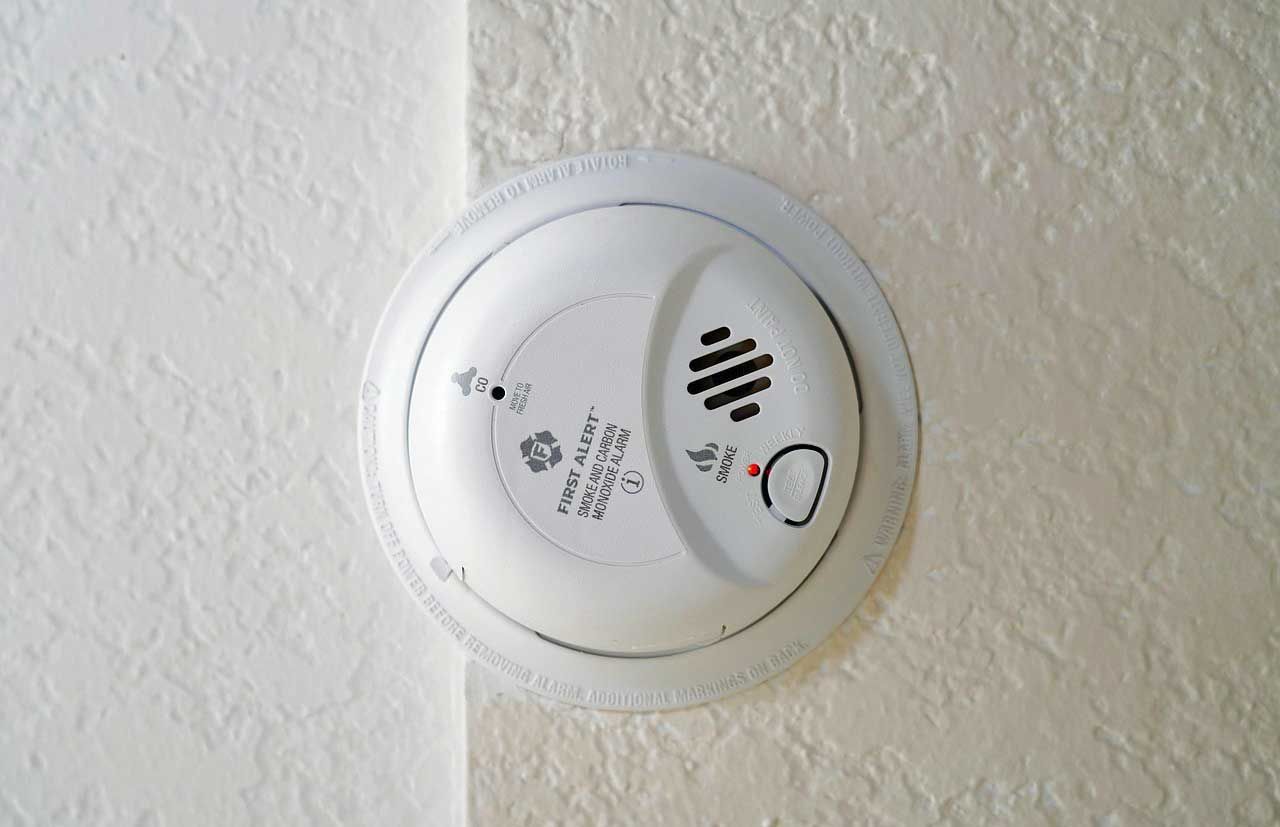
CO detector mounted on a textured, off-white ceiling.

Carbon monoxide (CO) is an invisible, odorless killer that claims over 400 lives annually in the United States. In Western Washington's tightly sealed homes during heating season, CO risks increase significantly. Understanding sources, prevention, and detection saves lives—making this knowledge essential for every homeowner.

Understanding Carbon Monoxide

What Is Carbon Monoxide? CO forms when fuel burns incompletely due to insufficient oxygen.

Chemical process:

  • Complete combustion: Fuel + oxygen = carbon dioxide + water
  • Incomplete combustion: Fuel + limited oxygen = carbon monoxide + other gases
  • Colorless, odorless, tasteless gas
  • Slightly lighter than air
  • Accumulates at the breathing level


Why It's Deadly:  CO binds to hemoglobin 200 times more readily than oxygen, preventing oxygen transport through your bloodstream.

Common Sources in Your Home

Heating Systems: Furnaces, boilers, and water heaters pose risks when malfunctioning.

Warning signs:

  • Yellow or orange flame (should be blue)
  • Soot around appliances
  • Rust on vent pipes
  • Moisture on windows near appliances
  • Burning smells during operation

Fireplaces and Wood Stoves: Improper installation or maintenance creates CO hazards.

Risk factors:

  • Blocked or damaged chimney
  • Improper damper operation
  • Cracked flue liner
  • Inadequate outside air supply
  • Wet or unseasoned wood burning

Vehicle and Generator Exhaust: Never run these in enclosed spaces.

Dangerous practices:

  • Warming car in the attached garage
  • Running generator in basement/garage
  • Using gas-powered tools indoors
  • Storing running equipment in enclosed areas
  • Blocked exhaust pipes

Kitchen Appliances: Gas stoves and ovens produce CO when misused.

Safety violations:

  • Using oven for space heating
  • Running gas range without ventilation
  • Malfunctioning gas appliances
  • Improper installation
  • Poor combustion air supply

Symptoms of CO Poisoning

Mild Exposure (Low Levels):

  • Headaches
  • Dizziness
  • Weakness
  • Nausea
  • Vomiting
  • Chest pain
  • Confusion


Often mistaken for a flu, but without a fever.

Moderate to Severe Exposure:

  • Mental confusion
  • Vomiting
  • Loss of muscular coordination
  • Unconsciousness
  • Death

Chronic Low-Level Exposure:

  • Persistent headaches
  • Memory problems
  • Difficulty concentrating
  • Personality changes
  • Depression-like symptoms

Carbon Monoxide Detector Requirements

Washington State Law CO detectors required in specific locations.

Legal requirements:

  • Within 10 feet of sleeping areas
  • On every level of home
  • Battery or hardwired acceptable
  • Combination smoke/CO detectors allowed
  • Required in all residential buildings

Optimal Placement Strategy: Beyond minimum legal requirements for maximum safety.

Best practices:

  • Outside each bedroom door
  • Near attached garages
  • Within 20 feet of fuel-burning appliances
  • Basement level installation
  • Avoid dead air spaces (corners, behind furniture)

Installation Guidelines:

  • Wall mount: 5 feet from floor minimum
  • Ceiling mount: Away from fans and windows
  • Avoid kitchens and bathrooms (false alarms)
  • Replace every 5-7 years
  • Test monthly using test button

Detector Types and Technology

Electrochemical Sensors (Recommended): Most accurate and responsive technology.

Advantages:

  • Accurate at all CO levels
  • Quick response time
  • Less prone to false alarms
  • Preferred by fire departments
  • Higher cost but worth the investment

Metal Oxide Sensors: Less expensive but adequate protection.

Characteristics:

  • Slower response time
  • More false alarms are possible
  • Adequate for most homes
  • Budget-friendly option
  • Requires more frequent replacement

Biomimetic Sensors: Color-change technology.

Features:

  • Visual color change indicator
  • No electrical power required
  • Longer lifespan
  • Limited availability
  • Higher cost

Prevention Strategies

Annual Professional Inspections: Have qualified technicians service all fuel-burning appliances.

Service includes:

  • Combustion analysis
  • Vent system inspection
  • Heat exchanger examination
  • Proper combustion air verification
  • Safety control testing

Proper Ventilation Maintenance: Keep combustion air pathways clear.

Essential tasks:

  • Clear snow from exhaust vents
  • Remove bird nests from chimneys
  • Keep vents free of debris
  • Ensure adequate combustion air
  • Maintain proper vent slopes

Appliance Operation Guidelines: Follow manufacturer recommendations strictly.

Safety rules:

  • Never use a gas oven for heating
  • Don't block air intakes or exhausts
  • Open flue dampers before lighting fires
  • Use only approved fuels
  • Maintain adequate clearances

Emergency Response Procedures

If CO Detector Alarms: Don't ignore alarms—treat every activation seriously.

Immediate actions:

  1. Don't try to find the source
  2. Get everyone outside immediately
  3. Call 911 from an outside location
  4. Get medical attention if anyone has symptoms
  5. Don't return until cleared by the fire department

Medical Emergency Signs: Call 911 immediately for:

  • Unconsciousness
  • Severe confusion
  • Difficulty breathing
  • Chest pain
  • Multiple people with symptoms

Post-Incident Steps:

  • Have all fuel-burning appliances inspected
  • Don't use appliances until cleared
  • Consider professional CO testing
  • Document the incident for insurance
  • Plan prevention improvements

High-Risk Situations

Winter Weather Hazards: Cold weather creates multiple CO risks.

Dangerous conditions:

  • Snow blocking exhaust vents
  • Ice damming affecting venting
  • Increased appliance usage
  • Tightly sealed homes
  • Backup heating sources

Power Outages: Emergency heating creates CO dangers.

Risky behaviors:

  • Using camping stoves indoors
  • Running generators inside
  • Burning charcoal indoors
  • Using gas grills inside
  • Improper portable heater use

Home Renovations: Construction affects ventilation systems.

Considerations:

  • Altered combustion air flow
  • Damaged vent systems
  • New appliance installations
  • Sealed air leaks affect drafting
  • Temporary heating sources

Specific Appliance Risks

Furnace Warning Signs:

  • Cracked heat exchanger
  • Improper venting
  • Blocked air intake
  • Damaged flue pipe
  • Poor maintenance history

Water Heater Hazards:

  • Backdrafting due to negative pressure
  • Damaged vent connector
  • Insufficient combustion air
  • Improper installation
  • Corrosion affecting venting

Fireplace Problems:

  • Damaged chimney liner
  • Improper damper operation
  • Insufficient outside air
  • Negative pressure issues
  • Poor maintenance

Professional Testing Services

CO Level Testing: Baseline measurements identify problems before they become dangerous.

Testing includes:

  • Ambient CO levels throughout home
  • Appliance combustion testing
  • Vent system analysis
  • Spillage and backdraft testing
  • Detailed safety recommendations

When to Test:

  • Moving into a new home
  • After appliance installation
  • Following renovations
  • If experiencing symptoms
  • Annual safety verification

Technology Advances

Smart CO Detectors: Connected devices provide enhanced protection.

Advanced features:

  • Smartphone notifications
  • Remote monitoring capability
  • Integration with security systems
  • Battery status alerts
  • Digital CO level displays

Professional Monitoring: Some systems connect to monitoring centers.

Benefits:

  • 24/7 professional response
  • Automatic emergency dispatch
  • Vacation/travel protection
  • Multiple contact notifications
  • Faster emergency response

Insurance and Legal Considerations

Liability Protection: Proper CO detection affects insurance coverage.

Coverage benefits:

  • Reduces liability exposure
  • May lower premiums
  • Required for some policies
  • Protects against lawsuits
  • Documentation of safety measures:

Rental Property Requirements: Landlords have specific CO safety obligations.

Legal responsibilities:

  • Install required detectors
  • Maintain working condition
  • Annual safety inspections
  • Tenant education required
  • Document compliance

Ask The Experts

  • How often should I test my CO detectors, and when do they need replacement?

    Test CO detectors monthly using the test button—mark your calendar for the same date each month. Replace battery-operated units every 5-7 years, hardwired units every 10 years, or whenever the unit chirps indicating end of life. Don't ignore chirping—it means the detector has stopped protecting your family.

  • My CO detector went off once but stopped when we opened windows. Is this a serious problem?

    Yes, absolutely! Any CO detection indicates a serious problem requiring immediate professional evaluation. Even if levels drop with ventilation, the source remains dangerous. Don't use any fuel-burning appliances until a qualified technician identifies and corrects the problem. CO exposure can cause permanent health damage even at low levels.

Protect Your Family from Carbon Monoxide

CO poisoning is 100% preventable with proper equipment and maintenance. Our certified technicians inspect all fuel-burning appliances, test CO levels, and ensure your family's safety. Schedule your carbon monoxide safety inspection today—because safe heating is the only option.

Share this article

More Recent Posts

Gary's plumber cleans gutters, autumn foliage in background.
By Matt Agnini • September 20, 2026
Prevent foundation flooding with proper gutter maintenance. Learn cleaning tips, drainage signs, and protect your Bellingham home from water damage.
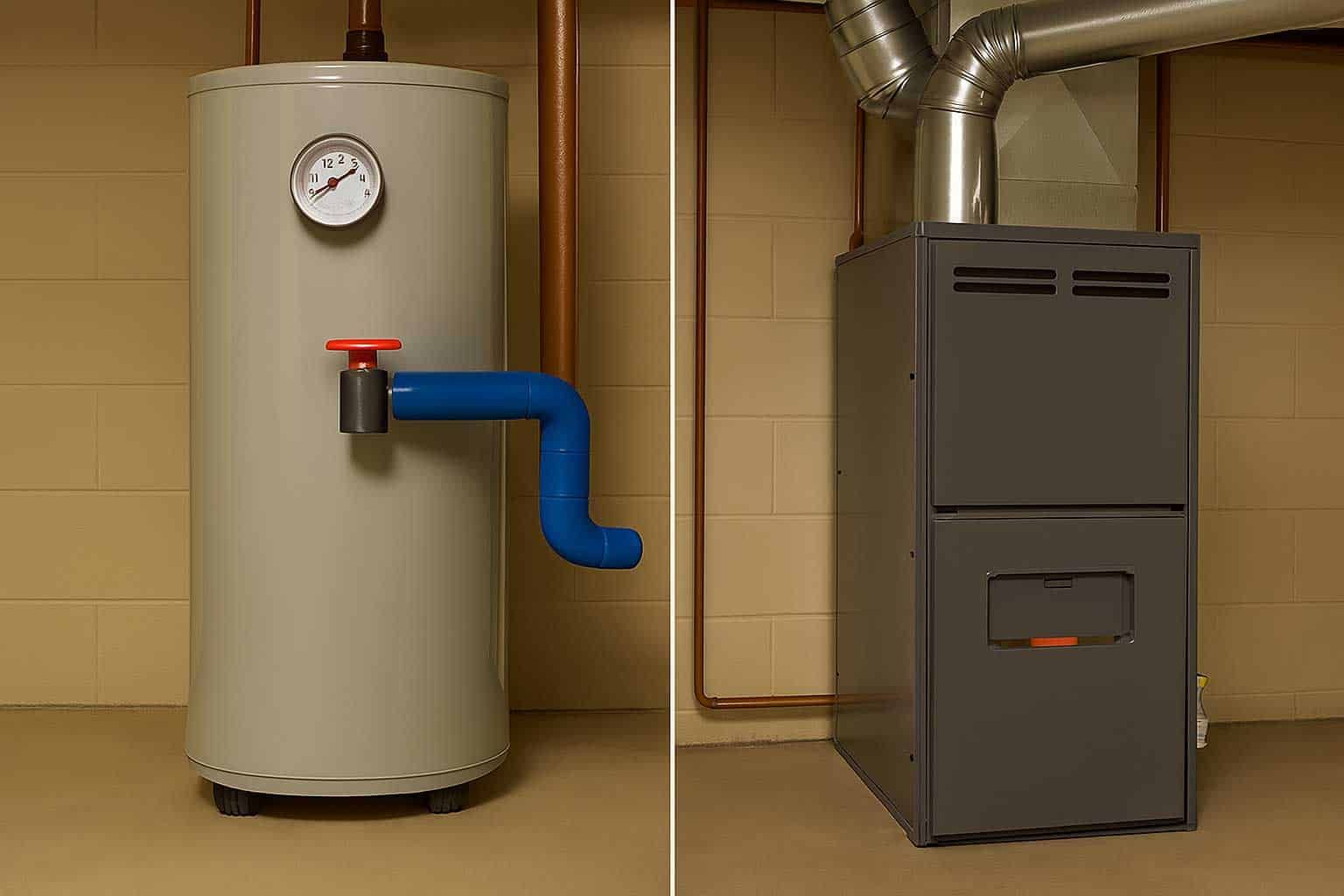
Boiler and furnace side by side for heating system comparison.
By Matt Agnini • September 6, 2026
Compare boilers and furnaces for comfort, efficiency, and installation. Find the best heating option for Bellingham homes and the Pacific Northwest.

Blue backpack with school supplies on a table in a room
By Matt Agnini • August 25, 2026
Get your home ready for back-to-school with tips on air quality, mini-split tune-ups, water quality, and plumbing checks before the rush begins.
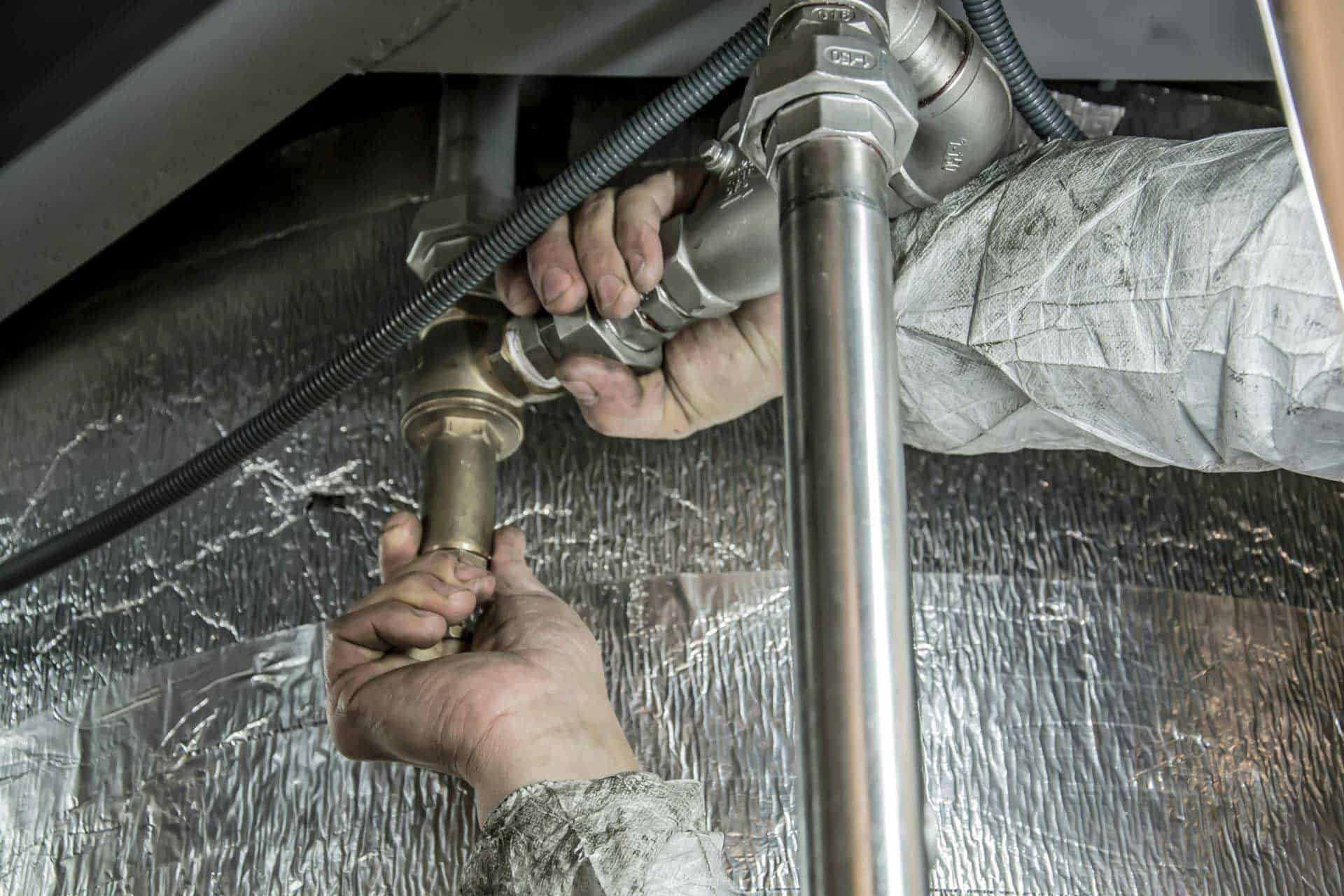
Sealing AC ducts to stop leaks and boost cooling efficiency.
By Matt Agnini • August 16, 2026
Cut cooling costs 30% by fixing AC efficiency problems. Warning signs, solutions & rebates for Bellingham homes. Professional evaluation available. Save today!

Sun setting behind silhouetted pine trees under a cloudy sky
By Matt Agnini • August 12, 2026
Wildfire smoke can lower indoor air quality fast. See how Healthy Home and mini-splits help Bellingham families breathe easier this summer.
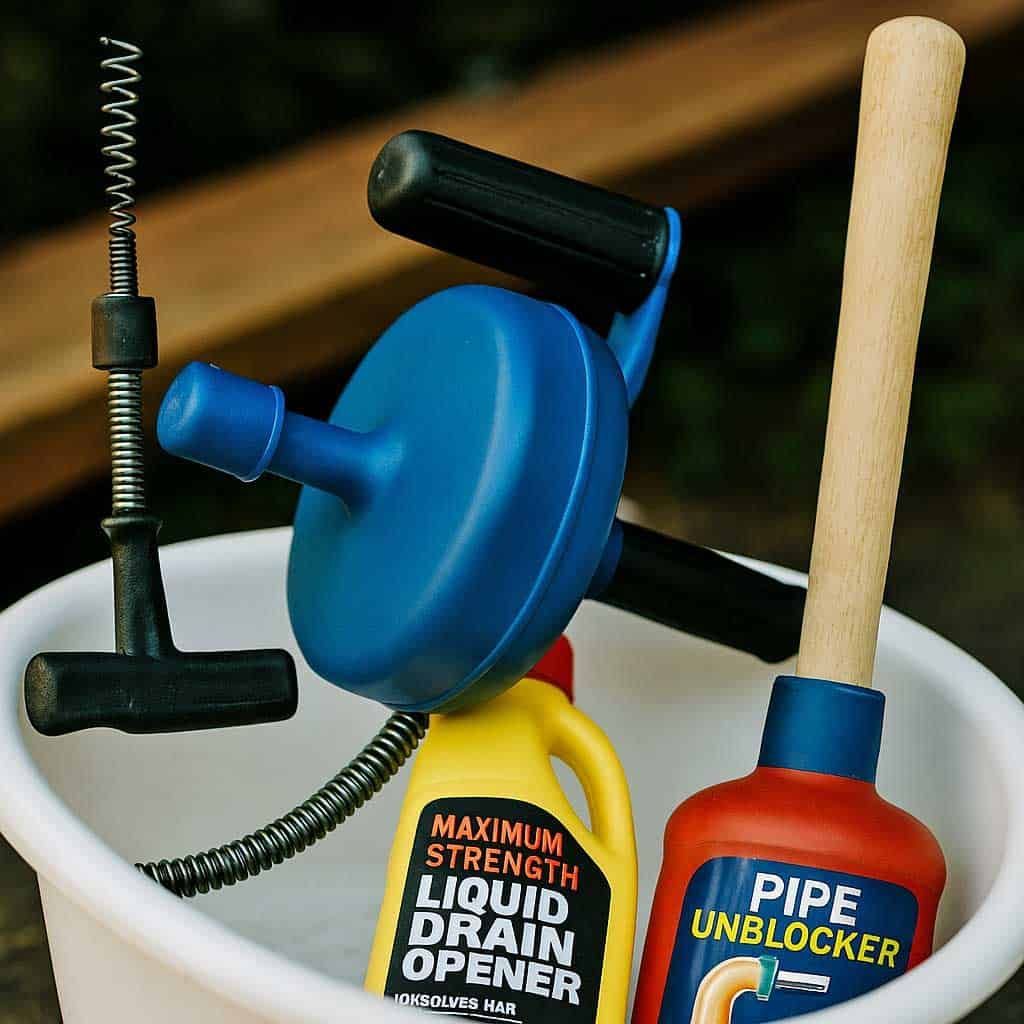
Drain cleaning tools: chemical bottles and a mechanical auger with a plunger.
By Matt Agnini • August 2, 2026
Compare drain cleaning methods and learn why mechanical cleaning is safer and more effective than chemicals. Professional service available.

A woman closing a black faucet in a kitchen sink
By Matt Agnini • July 19, 2026
Cut water bills 20-30% with proven conservation tips for Bellingham homes. Rebates, quick fixes & smart upgrades that pay for themselves. Start saving today!
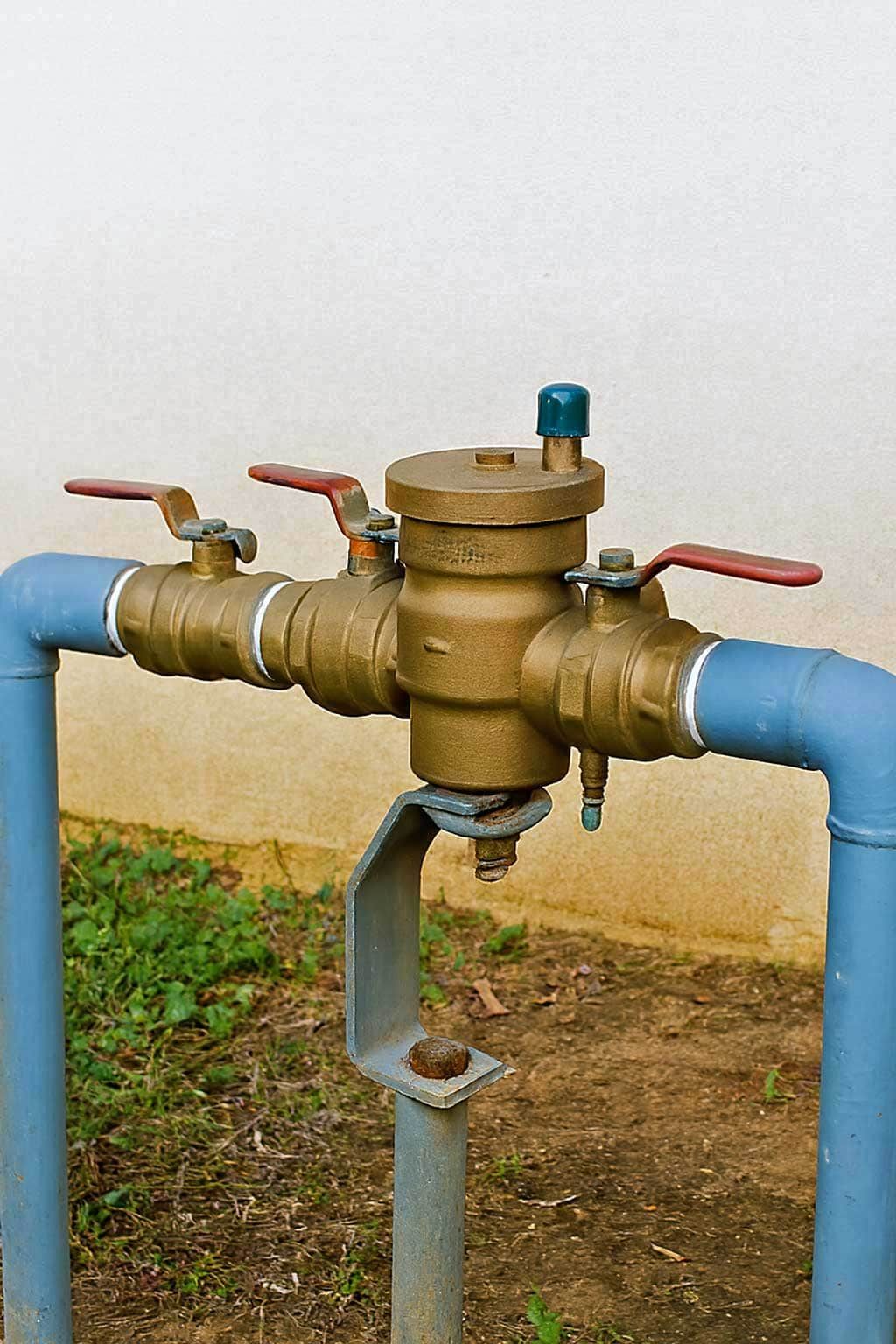
Backflow prevention valve assembly on outdoor pipes.
By Matt Agnini • July 5, 2026
Learn about backflow prevention, testing requirements, and local regulations. Keep your drinking water safe with expert installation and maintenance.
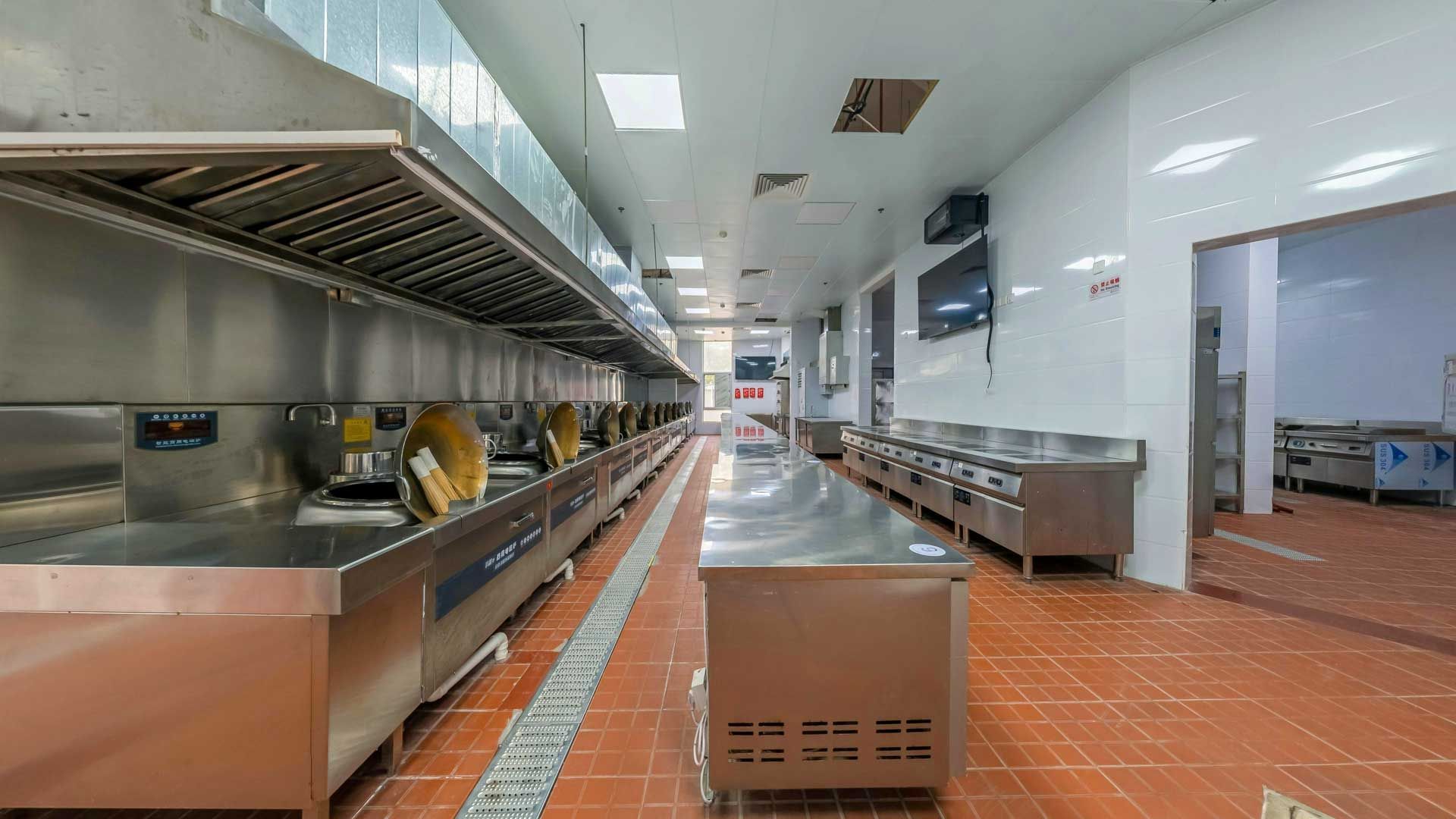
Clean commercial kitchen with stainless steel counters and ventilation hoods.
By Matt Agnini • June 21, 2026
Prevent backups and fines with proper grease management. Hot jetter service, maintenance plans, and compliance tips for Bellingham restaurants.
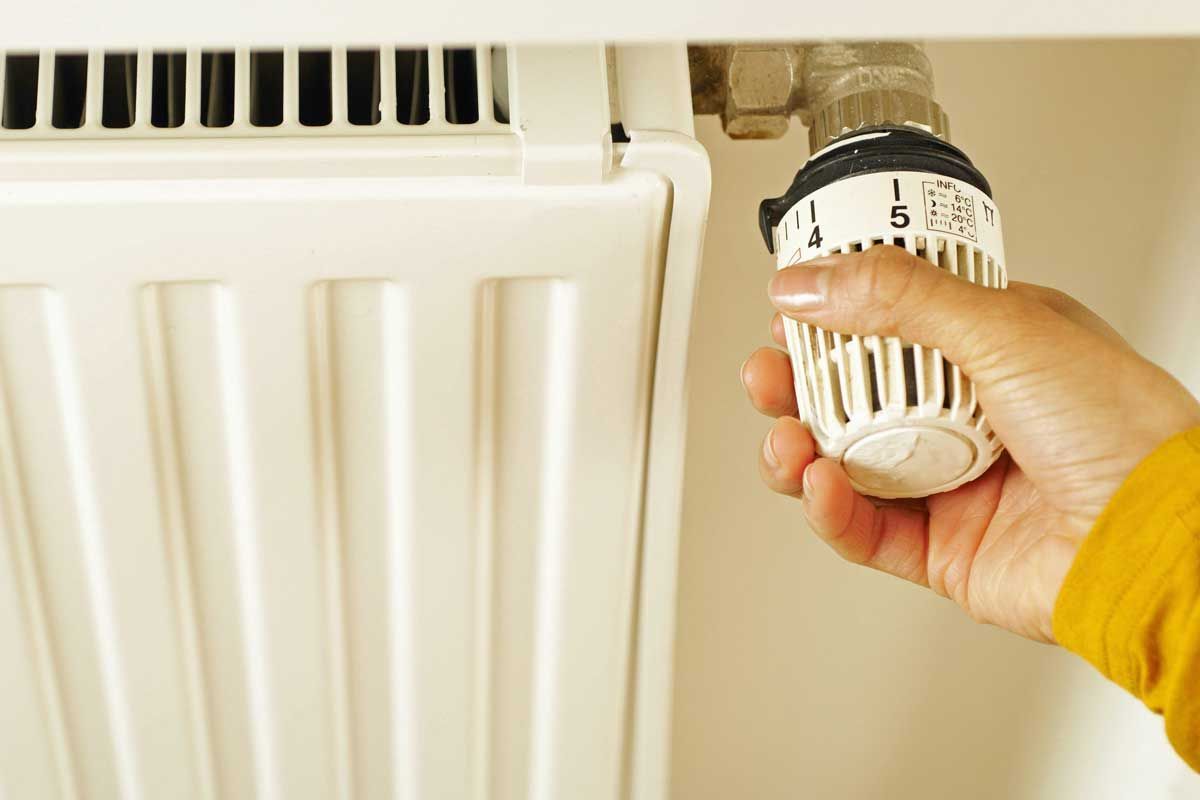
Hand turning a radiator thermostat low to prepare plumbing for vacation home absence.
By Matt Agnini • June 7, 2026
Protect vacation homes from frozen pipes and water damage. Get a winterization checklist, monitoring tips, and startup procedures for Whatcom County.
Show More
