The True Cost of Plumbing Leaks: A Data-Driven Analysis

October 18, 2026
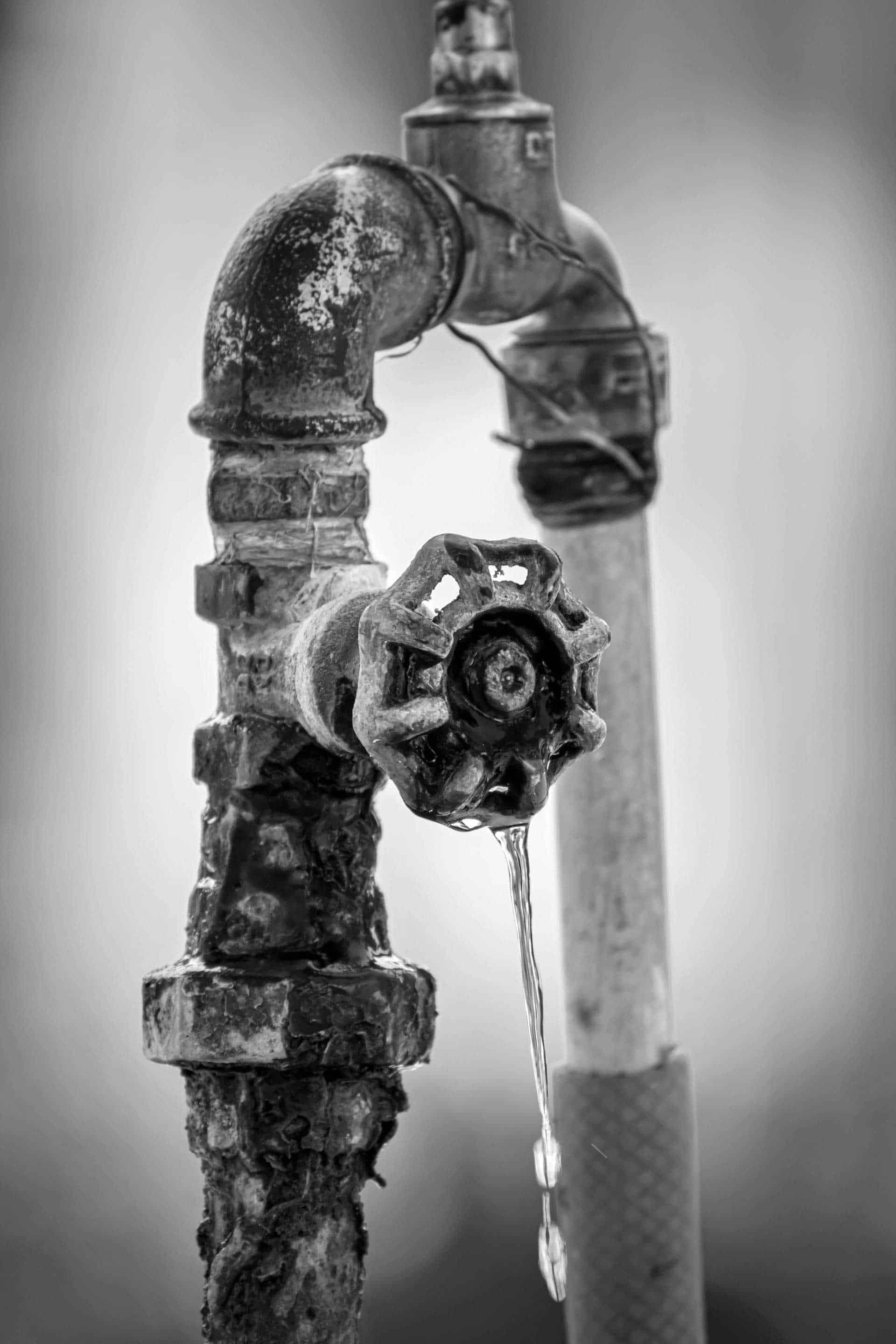
Dripping outdoor faucet with rusted metal—sign of a plumbing leak.

Hidden plumbing leaks silently drain both water and wallets, often going unnoticed until serious damage occurs. Understanding the real costs—from water waste to property damage—helps prioritize leak detection and prevention. This data-driven analysis reveals what small leaks actually cost over time.

Water Waste by Numbers

Single Dripping Faucet:

  • 1 drip per second = 5 gallons daily
  • Annual waste: 1,825 gallons
  • Cost in Bellingham: $25-40 yearly
  • Over 10 years: $250-400


A seemingly minor drip wastes enough water for 20+ loads of laundry annually.

Running Toilet:

  • Silent leak: 200-400 gallons daily
  • Audible running: 1,000-6,000 gallons daily
  • Annual cost: $300-3,500
  • Equivalent to: 30-180% of total household water use


Running toilets rank as the #1 water-wasting household leak.

Pinhole Pipe Leaks:

  • Small leak (1/32"): 100 gallons daily
  • Moderate leak (1/16"): 400 gallons daily
  • Large leak (1/8"): 1,500+ gallons daily
  • Annual costs: $150-$8,000+


Even tiny pipe leaks compound into massive waste.

Property Damage Costs

Water Damage Restoration: Average costs by affected area:


  • Bathroom: $1,500-$5,000
  • Kitchen: $2,000-$8,000
  • Basement: $3,000-$12,000
  • Multiple rooms: $10,000-$50,000
  • Structural damage: $25,000+


Insurance claims average $10,000 per incident, with 20% exceeding $25,000.

Mold Remediation: Following water damage:


  • Minor mold: $1,500-$3,000
  • Extensive remediation: $5,000-$15,000
  • Whole-house treatment: $20,000+
  • Health impacts: Immeasurable


Mold develops within 24-48 hours of water exposure.

Foundation Damage: Exterior leaks affect structural integrity:


  • Minor foundation repair: $3,000-$7,000
  • Major foundation work: $15,000-$50,000
  • Complete foundation replacement: $100,000+


Foundation problems reduce home values by 10-15%.

Hidden Costs Often Overlooked

Increased Energy Bills:

  • Hot water leaks waste heating energy
  • Water heater works harder
  • Typical increase: 15-30% of water heating costs
  • Annual waste: $100-$500

Appliance Damage:

  • Hard water leaks damage fixtures
  • Mineral buildup reduces efficiency
  • Premature replacement needed
  • Costs: $500-$5,000 per appliance

Higher Insurance Premiums:

  • Claims history affects rates
  • Multiple claims = policy cancellation
  • Rate increases: 20-40% for 5-7 years
  • Long-term cost: $2,000-$10,000

Lost Personal Property: Often unrecoverable items:

  • Family photos and documents
  • Electronics and computers
  • Furniture and clothing
  • Sentimental items
  • Value: Often irreplaceable

Early Detection Saves Thousands

Monthly Water Bill Monitoring: Track usage patterns to identify sudden increases.

Red flags:

  • 20%+ increase without explanation
  • Steady upward trend over months
  • Higher winter usage (no irrigation)
  • Usage during vacation periods

Meter Reading Method: Most accurate leak detection technique:


  • Turn off all water use in the home
  • Read the water meter and record the position
  • Wait 2 hours without water use
  • Check for movement
  • Movement indicates an active leak


Even minimal movement suggests costly hidden leaks.

Smart Leak Detection Technology: Modern sensors prevent major damage:


  • Whole-house monitors: $500-$1,500
  • Individual sensors: $50-$150 each
  • Smart shut-off valves: $300-$800
  • Cellular monitoring: $10-$30 monthly


Investment pays for itself with one prevented major leak.

Common Leak Locations and Costs

Kitchen Leaks: Highest damage potential per incident:

  • Under sink: $2,000-$6,000 average damage
  • Dishwasher lines: $3,000-$8,000
  • Refrigerator lines: $1,500-$4,000
  • Garbage disposal: $1,000-$3,000

Bathroom Leaks: Most frequent leak locations:

  • Toilet base: $2,000-$5,000 floor damage
  • Shower pan: $5,000-$15,000 repair
  • Supply lines: $1,500-$4,000
  • Faucet leaks: $500-$2,000

Utility Room Hazards:

  • Water heater: $3,000-$12,000 damage
  • Washing machine: $2,000-$8,000
  • Laundry sink: $1,500-$4,000

Hidden Pipe Leaks: Most expensive to repair:

  • In-wall leaks: $5,000-$20,000
  • Under-slab leaks: $8,000-$25,000
  • Crawl space leaks: $3,000-$10,000

Insurance Coverage Reality Check

What's Typically Covered:

  • Sudden, accidental leaks
  • Resulting water damage
  • Temporary living expenses
  • Personal property damage

Common Exclusions:

  • Gradual leaks over time
  • Maintenance-related problems
  • External groundwater
  • Flood damage
  • Mold (often limited)

Documentation Requirements:

  • Immediate notification
  • Professional water extraction
  • Detailed damage photos
  • Repair estimates
  • Proof of maintenance


Delayed reporting can void coverage entirely.

Cost-Benefit Analysis of Prevention

Annual Leak Prevention Investment:

  • Smart monitoring system: $500-$1,500
  • Annual plumbing inspection: $150-$300
  • Pressure testing: $100-$200
  • Supply line replacement: $200-$500
  • Total annual prevention: $950-$2,500

Average Annual Leak Costs:

  • Minor household leaks: $200-$800
  • Major leak (every 10 years): $1,000-$3,000
  • Insurance deductibles: $500-$2,500
  • Premium increases: $200-$500 yearly
  • Total annual risk: $1,900-$6,800


Prevention ROI: 200-400% annually

Leak Detection Technology ROI

Smart Water Monitoring Systems: Case study data from 1,000 homes:

  • Initial investment: $800 average
  • Leaks detected first year: 23% of homes
  • Average damage prevented: $4,200
  • System pays for itself: Within 3-4 months

Professional Annual Inspections:

  • Cost: $200-$300
  • Leaks found: 35% of inspections
  • Average early detection savings: $2,500
  • ROI: 800-1,000%

Regional Risk Factors

Western Washington Specific Concerns:

  • Freeze-thaw cycles stress pipes
  • High humidity accelerates damage
  • Dense vegetation hides exterior leaks
  • Clay soil causes foundation movement
  • Seismic activity loosens connections

Bellingham Area Data:

  • Average claim size: $8,500
  • Claims frequency: 15% higher than the state average
  • Peak claim season: November-March
  • Common causes: Frozen pipes, aging supply lines

Prevention Strategies by Risk Level

High-Risk Homes (Built before 1980):

  • Monthly leak inspections
  • Upgrade supply lines proactively
  • Install whole-house monitoring
  • Annual pressure testing
  • Preventive pipe replacement

Medium-Risk Properties:

  • Quarterly inspections
  • Smart leak sensors at key points
  • Bi-annual professional checkups
  • Monitor water bills monthly

Low-Risk Homes (Built after 2000):

  • Annual inspections
  • Basic leak detection sensors
  • Monitor unusual usage patterns
  • Address problems immediately

Emergency Response Planning

First 24 Hours Critical:

  • Shut off water main immediately
  • Document damage with photos
  • Contact insurance company
  • Begin water extraction
  • Call emergency restoration

Week 1 Actions:

  • Professional damage assessment
  • Mold prevention treatment
  • Content inventory and removal
  • Structural drying setup
  • Temporary repairs

Long-term Recovery:

  • Insurance claim processing
  • Reconstruction planning
  • System upgrades to prevent recurrence
  • Documentation of improvements
  • Premium impact assessment

Ask The Experts

  • My water bill increased 30% but I don't see any obvious leaks. Should I be concerned?

    Yes, absolutely! A 30% increase typically indicates a significant hidden leak. Start with the meter test—turn off all water, check for meter movement over 2 hours. Underground service line leaks or toilet leaks are common culprits. Early detection prevents thousands in damage while high water bills continue mounting daily.

  • Is it worth installing a $1,200 leak detection system for a 15-year-old home?

    The data strongly supports it. Homes 10-20 years old have the highest leak probability as original supply lines age. A $1,200 system pays for itself with one prevented major incident. Given that average water damage costs $8,500 locally, the ROI is excellent. Plus, many insurance companies offer discounts for monitored homes.

Protect Your Investment from Hidden Leaks

Don't let small leaks become major disasters. Our comprehensive leak detection service uses advanced technology to find hidden problems before they cause expensive damage. Schedule your leak detection inspection to protect your home and budget from costly water damage.

Share this article

More Recent Posts

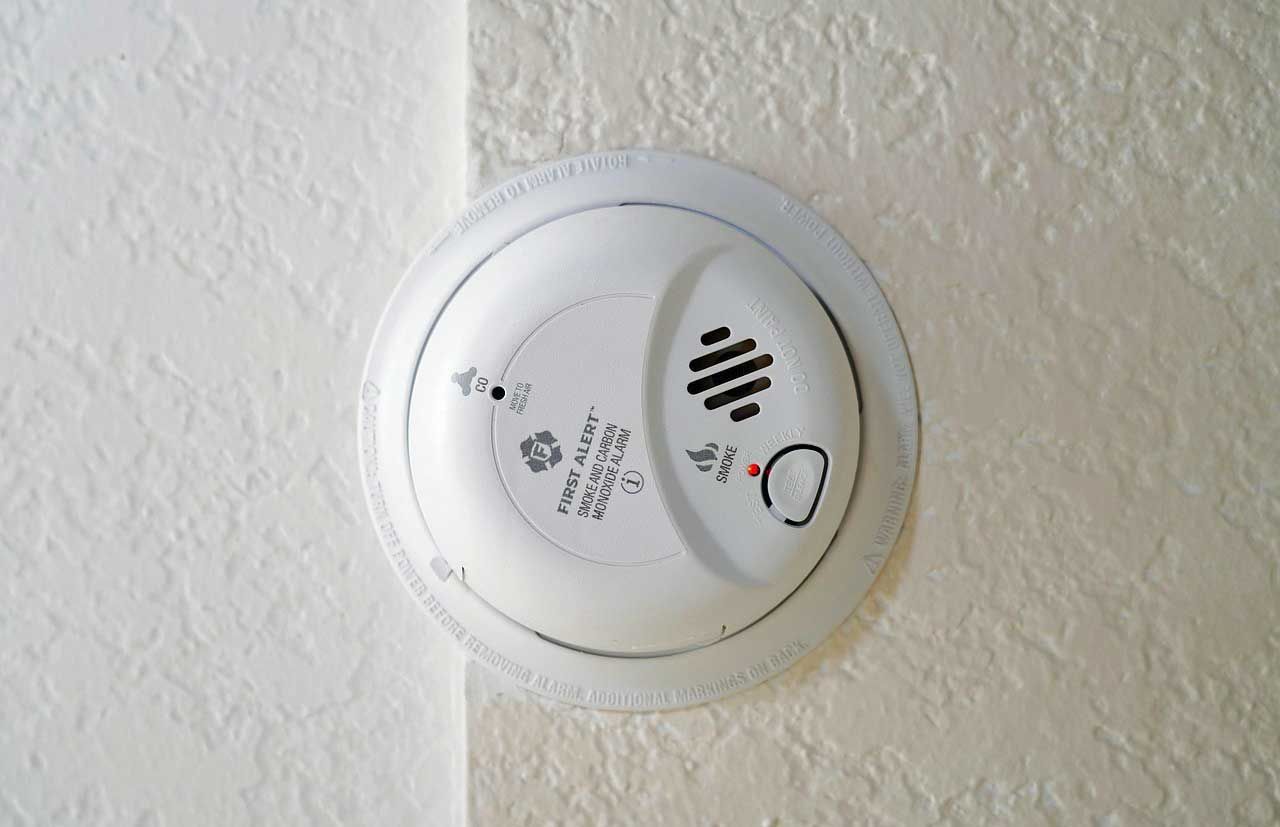
CO detector mounted on a textured, off-white ceiling.
By Matt Agnini • October 4, 2026
Protect your family from carbon monoxide poisoning. Learn detection, prevention, and emergency response. Professional CO testing available.
Gary's plumber cleans gutters, autumn foliage in background.
By Matt Agnini • September 20, 2026
Prevent foundation flooding with proper gutter maintenance. Learn cleaning tips, drainage signs, and protect your Bellingham home from water damage.
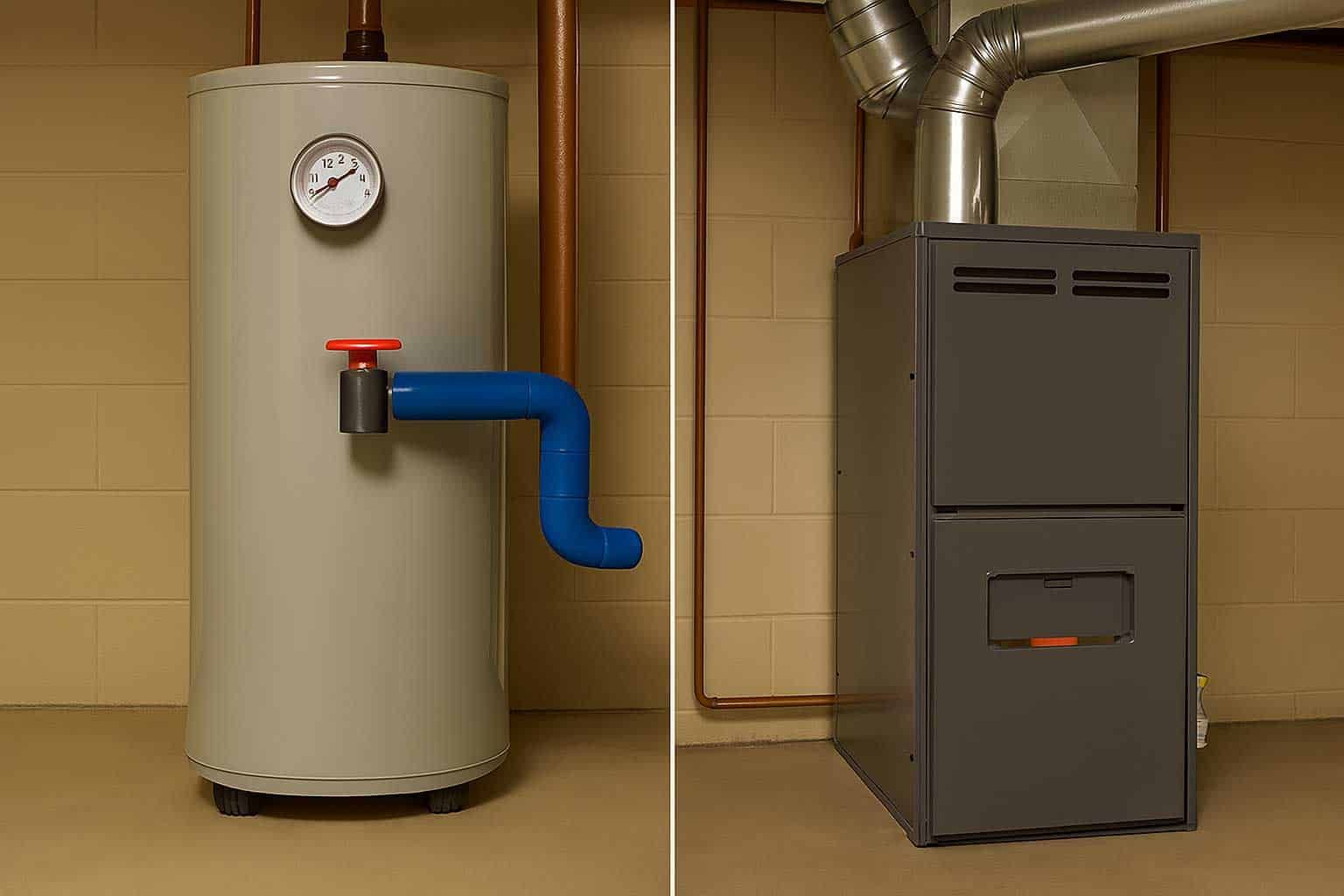
Boiler and furnace side by side for heating system comparison.
By Matt Agnini • September 6, 2026
Compare boilers and furnaces for comfort, efficiency, and installation. Find the best heating option for Bellingham homes and the Pacific Northwest.

Blue backpack with school supplies on a table in a room
By Matt Agnini • August 25, 2026
Get your home ready for back-to-school with tips on air quality, mini-split tune-ups, water quality, and plumbing checks before the rush begins.
Sealing AC ducts to stop leaks and boost cooling efficiency.
By Matt Agnini • August 16, 2026
Cut cooling costs 30% by fixing AC efficiency problems. Warning signs, solutions & rebates for Bellingham homes. Professional evaluation available. Save today!

Sun setting behind silhouetted pine trees under a cloudy sky
By Matt Agnini • August 12, 2026
Wildfire smoke can lower indoor air quality fast. See how Healthy Home and mini-splits help Bellingham families breathe easier this summer.
Drain cleaning tools: chemical bottles and a mechanical auger with a plunger.
By Matt Agnini • August 2, 2026
Compare drain cleaning methods and learn why mechanical cleaning is safer and more effective than chemicals. Professional service available.
A woman closing a black faucet in a kitchen sink
By Matt Agnini • July 19, 2026
Cut water bills 20-30% with proven conservation tips for Bellingham homes. Rebates, quick fixes & smart upgrades that pay for themselves. Start saving today!
Backflow prevention valve assembly on outdoor pipes.
By Matt Agnini • July 5, 2026
Learn about backflow prevention, testing requirements, and local regulations. Keep your drinking water safe with expert installation and maintenance.
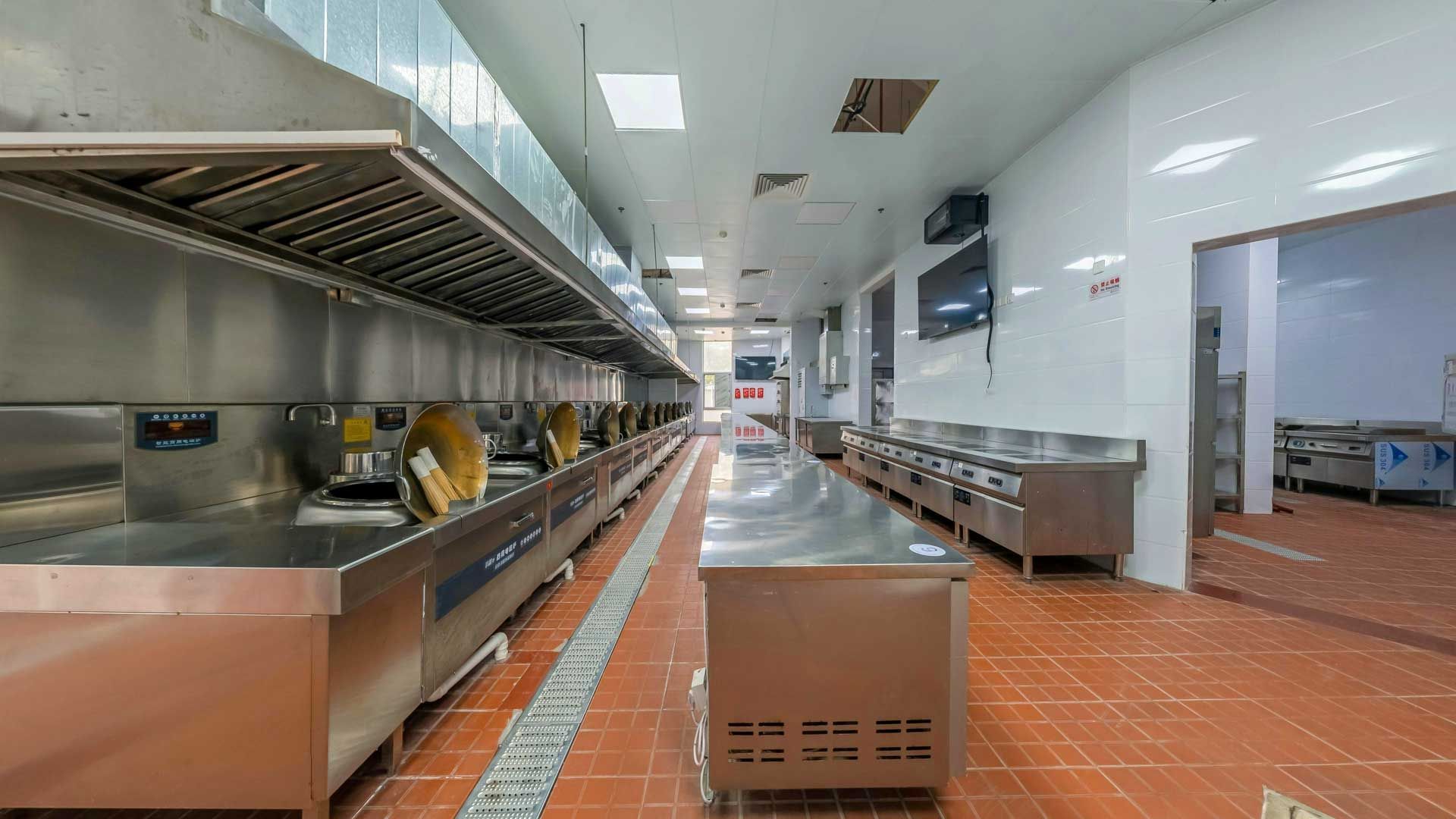
Clean commercial kitchen with stainless steel counters and ventilation hoods.
By Matt Agnini • June 21, 2026
Prevent backups and fines with proper grease management. Hot jetter service, maintenance plans, and compliance tips for Bellingham restaurants.
Show More
