AC Efficiency: Signs You're Wasting Money on Cooling

August 16, 2026
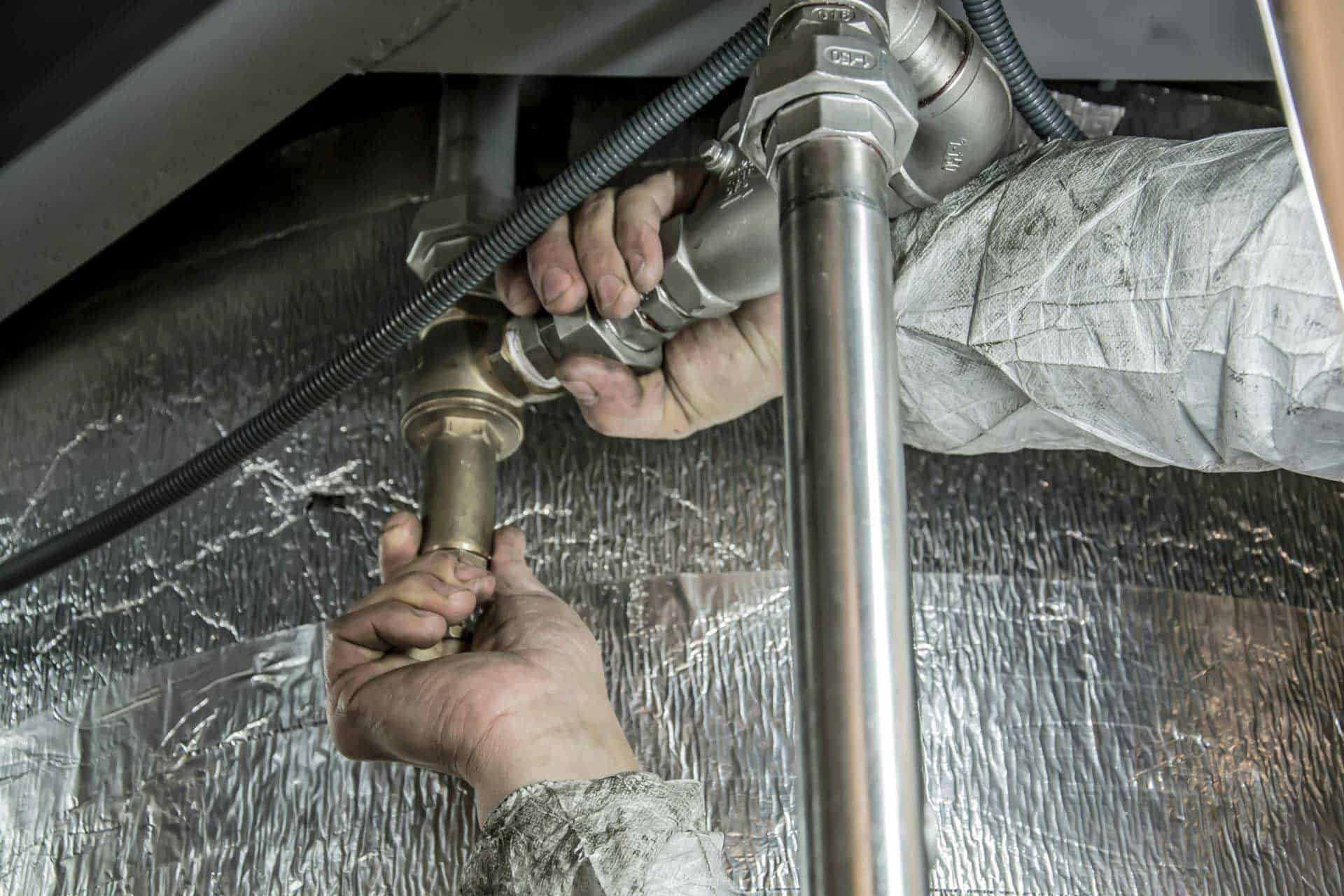
Sealing AC ducts to stop leaks and boost cooling efficiency.

While Bellingham's mild summers average just 75°F, those occasional heat waves send cooling costs soaring. Whether you're running central air, mini splits, or window units, inefficient operation wastes money during our brief cooling season. Recognizing efficiency problems early keeps costs down and comfort up.

Red Flags Your AC Is Wasting Energy

Skyrocketing Summer Bills: Compare your July and August bills year-over-year.

Warning signs:

  • 30%+ increase without rate changes
  • Higher usage despite similar weather
  • Costs exceeding those of neighbors with similar homes
  • Bills are increasing faster than the temperature
  • Unexpected mid-summer spikes


Average efficient cooling systems keep monthly costs moderate, while inefficient systems can be significantly more expensive to run.

Constant Running Without Comfort: Your AC shouldn't run continuously, even on hot days.

Problems indicated:

  • The system never reaches the set temperature
  • Runs 20+ hours on moderate days
  • Short cycles (5-10 minutes) are frequently
  • Different temperatures from room to room
  • Humidity remains high indoors


Properly sized systems cycle on/off maintaining consistent comfort.

Temperature and Humidity Imbalances

The Upstairs Sauna Effect: Heat rises, but extreme differences indicate problems.

Normal vs. problematic:

  • Normal: 2-3°F difference between floors
  • Problem: 5-10°F variance
  • Causes: Duct leaks, poor insulation, undersized system
  • The solution and cost depend on the underlying issue

Humidity Despite AC Running: Air conditioning should dehumidify while cooling.

High humidity indicators:

  • Windows fog despite AC running
  • Musty odors develop
  • Sticky, clammy feeling indoors
  • Mold growth potential increases
  • System oversized for space


Pacific Northwest humidity requires proper dehumidification for comfort.

Age-Related Efficiency Decline

The 10-Year Cliff: AC efficiency drops significantly after a decade.

Efficiency timeline:

  • Years 1-5: Peak efficiency (SEER as rated)
  • Years 6-10: 10-20% efficiency loss
  • Years 11-15: 20-40% decline
  • Years 15+: Consider replacement


Old R-22 systems cost 40-50% more to operate than modern units.

SEER Ratings Explained: Seasonal Energy Efficiency Ratio measures cooling output versus energy input.

Common ratings:

  • Pre-2006: SEER 8-10 (inefficient)
  • 2006-2015: SEER 13 (minimum standard)
  • Current minimum: SEER 14
  • ENERGY STAR: SEER 15+
  • High-efficiency: SEER 18-22


Upgrading from SEER 10 to SEER 16 cuts cooling costs by 38%.

Maintenance Neglect Indicators

Dirty Filter Syndrome: Clogged filters force systems to work harder.

Impact of neglect:

  • 5-15% efficiency loss
  • Frozen evaporator coils
  • Compressor damage risk
  • Poor air quality
  • Shortened system life


Change filters monthly during cooling season, especially with pets.

Condenser Coil Contamination: Outdoor units covered in debris can't release heat efficiently.

Common problems:

  • Cottonwood seeds (major Northwest issue)
  • Grass clippings from mowing
  • Leaves and pine needles
  • Pet hair accumulation
  • Dirt and dust buildup


Professional cleaning recovers 20-30% lost efficiency.

Ductwork Disasters

The Hidden Energy Thief: Leaky ducts waste 20-30% of cooling energy.

Leak locations:

  • Attic connections (worst for cooling loss)
  • Crawl space joints
  • Wall cavity runs
  • Register boots
  • Return air plenums

Inadequate Insulation: Northwest homes often lack proper duct insulation.

Problems from poor insulation:

  • Cool air warms before reaching rooms
  • Condensation creates mold risk
  • Energy waste in unconditioned spaces
  • System runs longer, compensating
  • Comfort never achieved


R-6 minimum insulation required; R-8 recommended.

Sizing and Installation Issues

The Oversizing Epidemic: Bigger isn't better for air conditioning.

Oversized system problems:

  • Short cycling (frequent on/off)
  • Poor dehumidification
  • Hot/cold spots
  • Higher equipment costs
  • Increased wear and tear


Proper sizing requires Manual J calculation, not guesswork.

Poor Installation Practices: Even quality equipment fails with bad installation.

Installation errors costing money:

  • Incorrect refrigerant charge (30% efficiency loss)
  • Improper airflow (25% efficiency loss)
  • Thermostat location errors
  • Inadequate return air
  • Missing commissioning


Quality installation matters more than equipment brand.

Smart Thermostat Opportunities

Programming Savings Potential: Proper scheduling cuts cooling costs 20-30%.

Optimal settings:

  • When home: 75-78°F
  • Away: 82-85°F (or off)
  • Sleeping: 72-75°F
  • Vacation: Off or 85°F
  • Gradual adjustments prevent strain


Every degree higher saves 3-5% on cooling costs.

Smart Features Worth Using

  • Geofencing adjusts for occupancy
  • Learning algorithms optimize runtime
  • Humidity control improves comfort
  • Maintenance reminders prevent neglect
  • Energy reports track improvement

Quick Efficiency Boosters

No-Cost Improvements:

  • Close blinds during hot afternoons
  • Use ceiling fans correctly (counterclockwise)
  • Don't cool unused rooms
  • Avoid heat-generating activities midday
  • Open windows during cool nights

Low-Cost Upgrades:

  • Professional filter upgrade
  • Programmable thermostat
  • Vent deflectors for better flow
  • Weatherstripping around doors
  • Window film for west-facing glass

Moderate Investments:

  • Professional duct sealing
  • Attic insulation upgrade
  • Variable speed blower motor
  • UV light for coil cleaning
  • Zoning system addition

When Repair vs. Replace

The $5,000 Rule: Multiply repair cost by system age. If over $5,000, replace.

Other Replacement Triggers:

  • R-22 refrigerant (being phased out)
  • Major component failure
  • Frequent repairs needed
  • Comfort issues persist
  • Energy bills excessive


New system ROI is typically 5-7 years through energy savings.

Northwest-Specific Considerations

Smoke Season Preparation: Wildfire smoke requires special consideration.

System protection:

  • Upgrade to MERV 13 filters
  • Seal ductwork completely
  • Consider whole-house purification
  • Maintain positive pressure
  • Service before smoke season

Heat Pump Advantages: Our mild climate makes heat pumps ideal.

Benefits for cooling:

  • Higher efficiency than standard AC
  • Provides heating too
  • Qualifies for rebates
  • Lower operating costs
  • Better humidity control

Professional Efficiency Testing

Comprehensive Evaluation Includes:

  • Refrigerant charge verification
  • Airflow measurement
  • Temperature split testing
  • Electrical draw analysis
  • Duct leakage assessment

Infrared Imaging Benefits:

  • Identifies insulation gaps
  • Finds duct leaks
  • Shows air infiltration
  • Reveals moisture issues
  • Documents problems

Utility Rebates and Incentives

Available Programs:

  • PSE equipment rebates
  • Federal tax credits
  • ENERGY STAR bonuses
  • Duct sealing rebates
  • Smart thermostat incentives


Together, these incentives can significantly offset the cost of upgrades, often covering a substantial portion of the total investment.

Creating Your Efficiency Plan

Phase 1: Immediate Actions

  • Change filter today
  • Clear condenser unit
  • Program thermostat properly
  • Close unused room vents
  • Schedule maintenance

Phase 2: Summer Projects

  • Seal accessible ducts
  • Add insulation
  • Upgrade thermostat
  • Clean coils professionally
  • Fix identified leaks

Phase 3: Long-term Planning

  • Budget for replacement
  • Research heat pump options
  • Plan whole-house improvements
  • Consider solar integration

Ask The Experts

  • My 8-year-old AC works fine but bills keep climbing. When should I replace it?

    If your energy bills are rising significantly despite similar usage, it may be time to consider a replacement. With your unit nearing 10 years, upgrading before a major failure can make financial sense, improve efficiency, and add home value—especially with current rebates available.

  • Is a whole-house fan worth installing in Bellingham instead of using AC more?

    Absolutely! Bellingham’s cool summer nights (often 55–60°F) make whole-house fans very effective. When paired with proper attic ventilation, they can significantly reduce AC use—many homeowners cut their cooling runtime by 60–70% on summer nights.

Stop Wasting Money on Cooling

Don't let inefficient cooling drain your budget during our short summer season. Our efficiency experts identify waste, recommend cost-effective improvements, and help you qualify for available rebates. Schedule your AC efficiency evaluation to start saving immediately.

Share this article

More Recent Posts

Sun setting behind silhouetted pine trees under a cloudy sky
By Matt Agnini August 12, 2026
Wildfire smoke can lower indoor air quality fast. See how Healthy Home and mini-splits help Bellingham families breathe easier this summer.
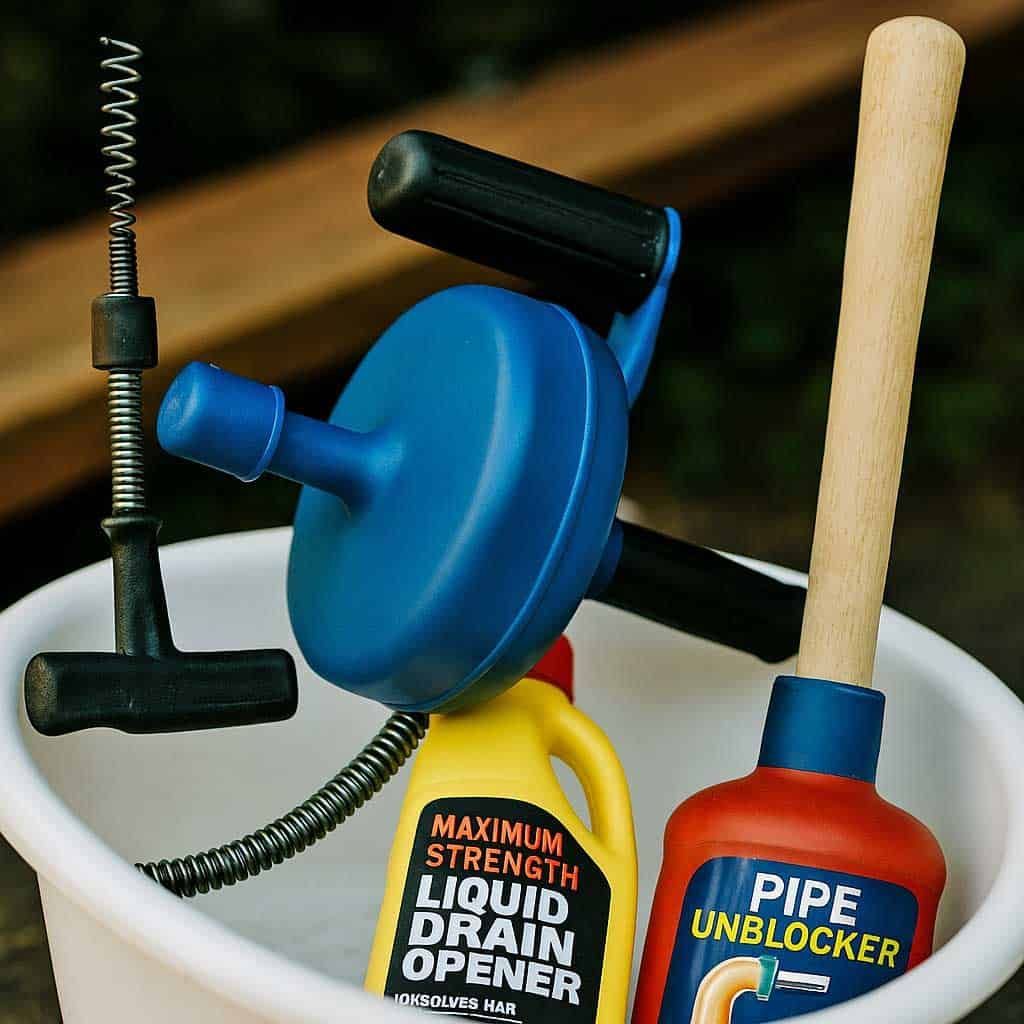
Drain cleaning tools: chemical bottles and a mechanical auger with a plunger.
By Matt Agnini August 2, 2026
Compare drain cleaning methods and learn why mechanical cleaning is safer and more effective than chemicals. Professional service available.

A woman closing a black faucet in a kitchen sink
By Matt Agnini July 19, 2026
Cut water bills 20-30% with proven conservation tips for Bellingham homes. Rebates, quick fixes & smart upgrades that pay for themselves. Start saving today!
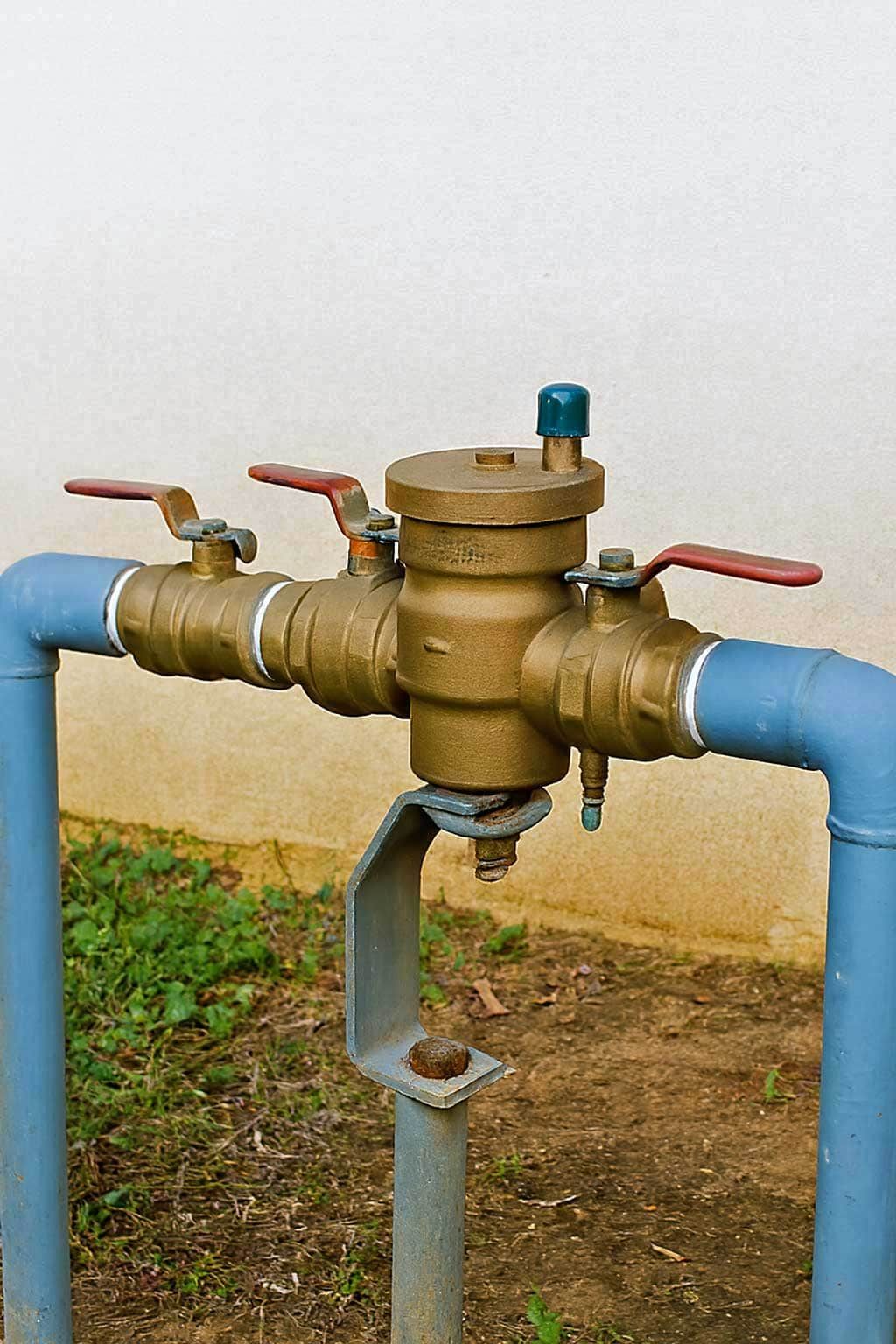
Backflow prevention valve assembly on outdoor pipes.
By Matt Agnini July 5, 2026
Learn about backflow prevention, testing requirements, and local regulations. Keep your drinking water safe with expert installation and maintenance.
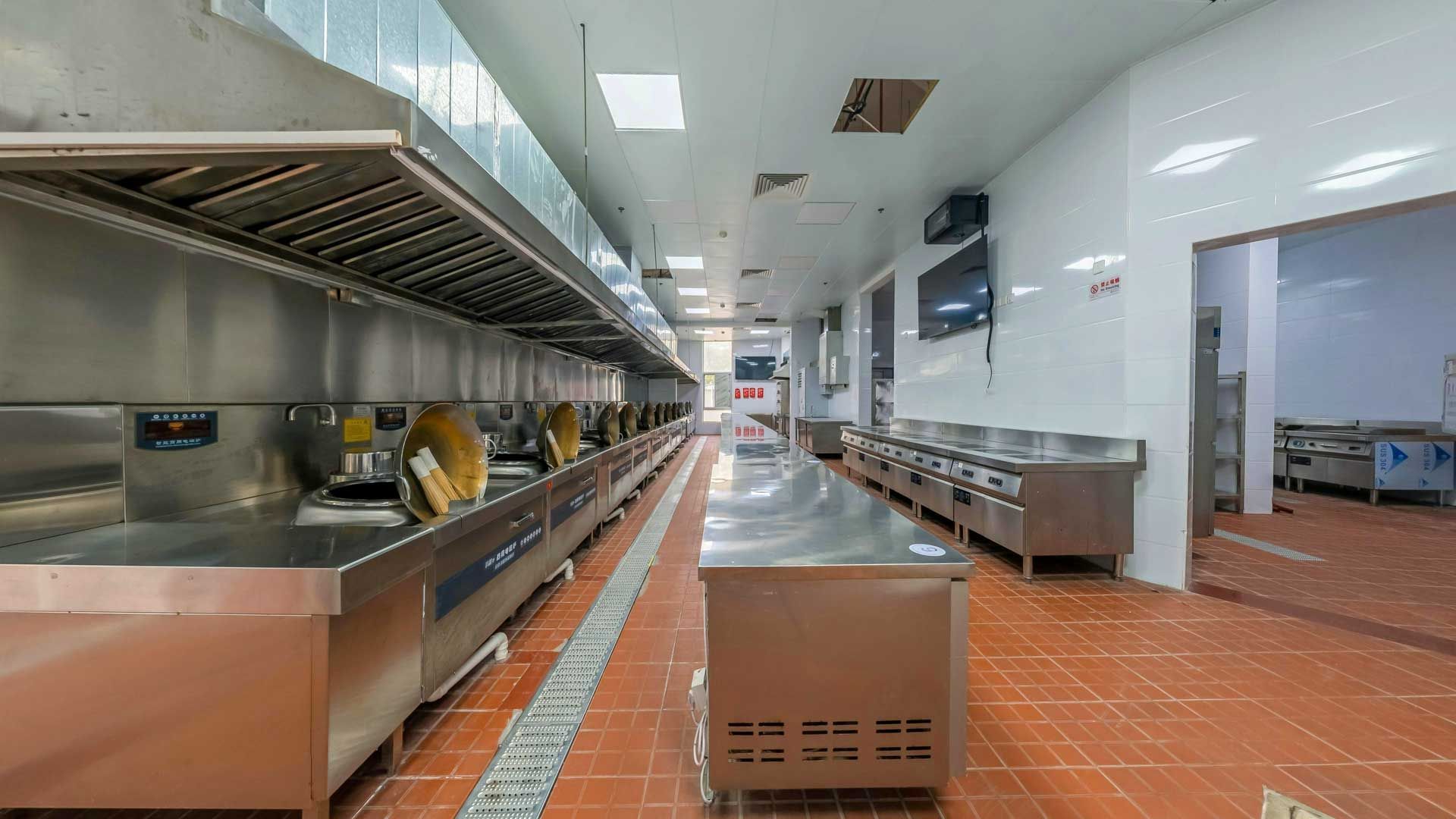
Clean commercial kitchen with stainless steel counters and ventilation hoods.
By Matt Agnini June 21, 2026
Prevent backups and fines with proper grease management. Hot jetter service, maintenance plans, and compliance tips for Bellingham restaurants.
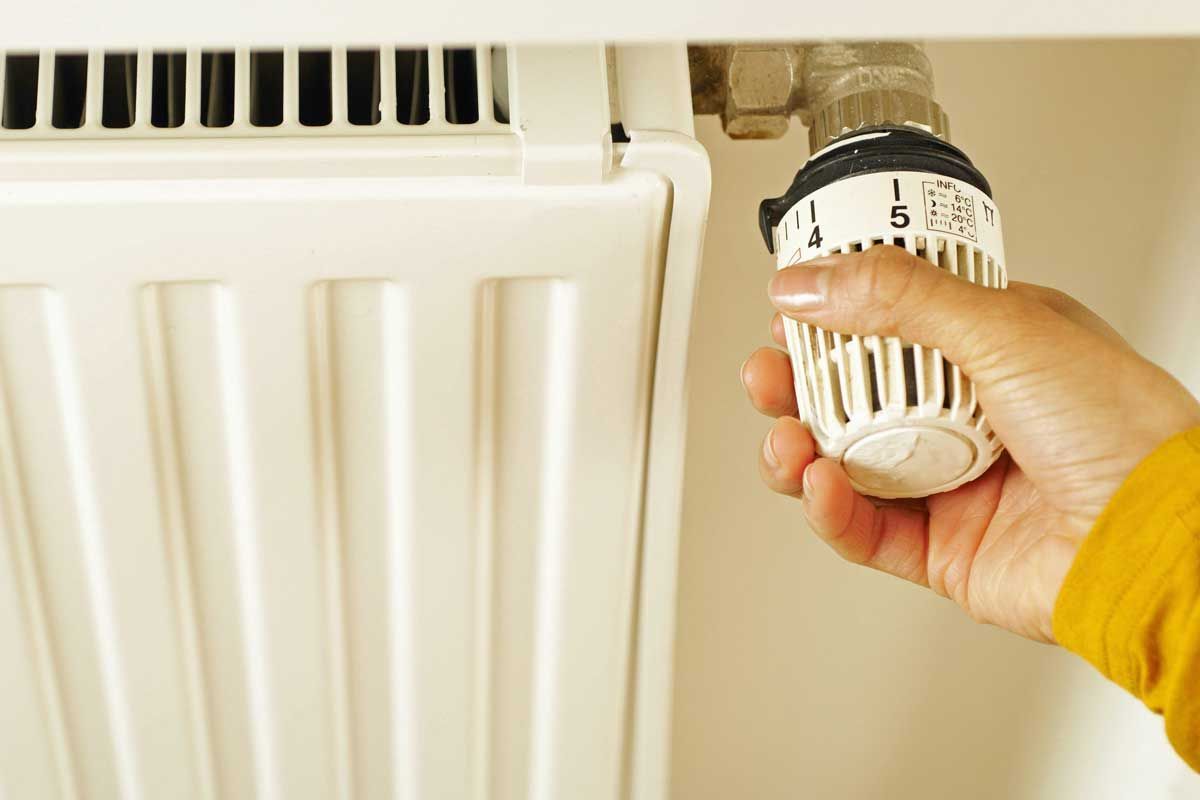
Hand turning a radiator thermostat low to prepare plumbing for vacation home absence.
By Matt Agnini June 7, 2026
Protect vacation homes from frozen pipes and water damage. Get a winterization checklist, monitoring tips, and startup procedures for Whatcom County.
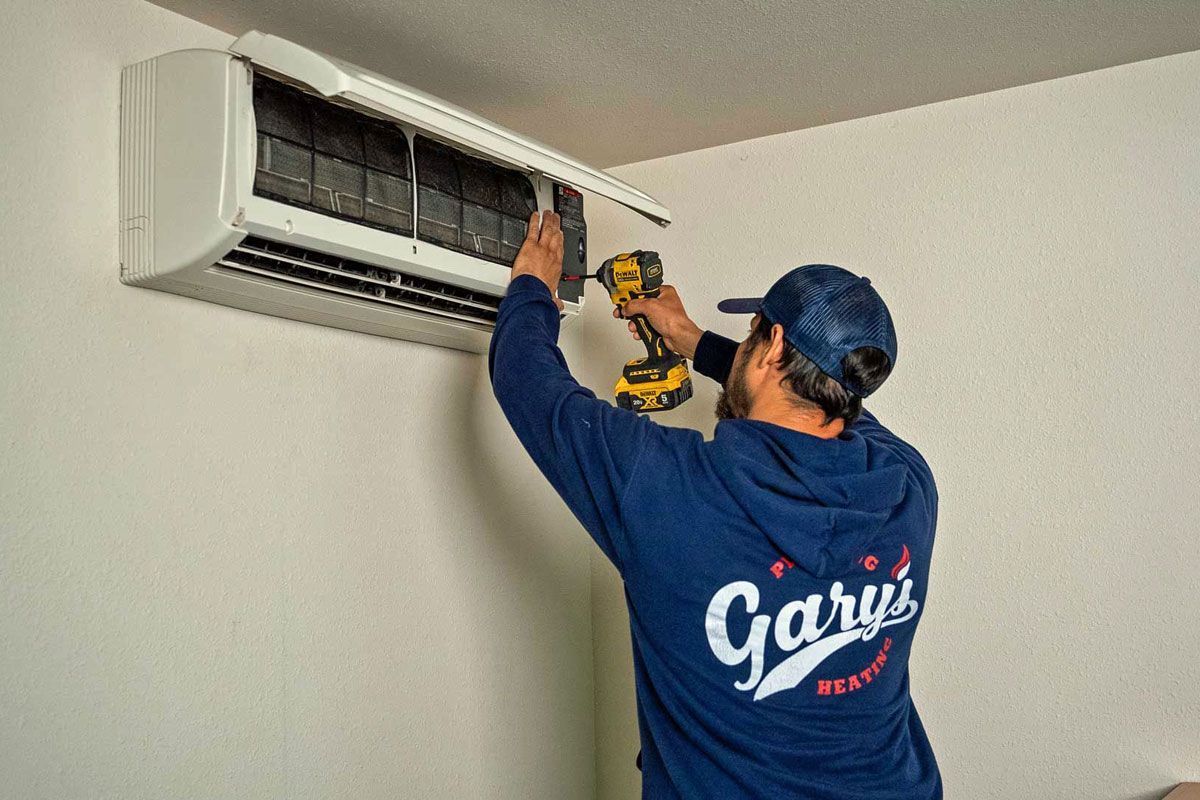
Gary's technician is installing an air conditioning unit on a white wall.
By Matt Agnini May 17, 2026
Mini splits save 40-50% on heating costs in Bellingham's climate. Zone control, easy installation & cooling included. Get expert sizing & installation today.
Roots blocking a broken orange pipe in dirt, illustrating a plumbing issue.
By Matt Agnini May 3, 2026
Stop tree roots from destroying sewer lines. Prevention strategies & treatment options for Bellingham homes. Hot Jetter service available. Call today!
A pipe with limescale deposits, causing hard water
By Matt Agnini April 19, 2026
Hard water can cost homeowners $2,000+ yearly in damage and bills. Learn the hidden costs and explore solutions. Free water testing available.
Shower controls with a semi-circular grab bar and two buttons with showerhead and temperature icons.
By Matt Agnini April 5, 2026
Explore smart plumbing tech from leak sensors to whole-house systems. Learn costs, benefits, and ROI for Bellingham homes. Expert installation available.
Show More