Boiler vs. Furnace: Which Heating System is Right for You?
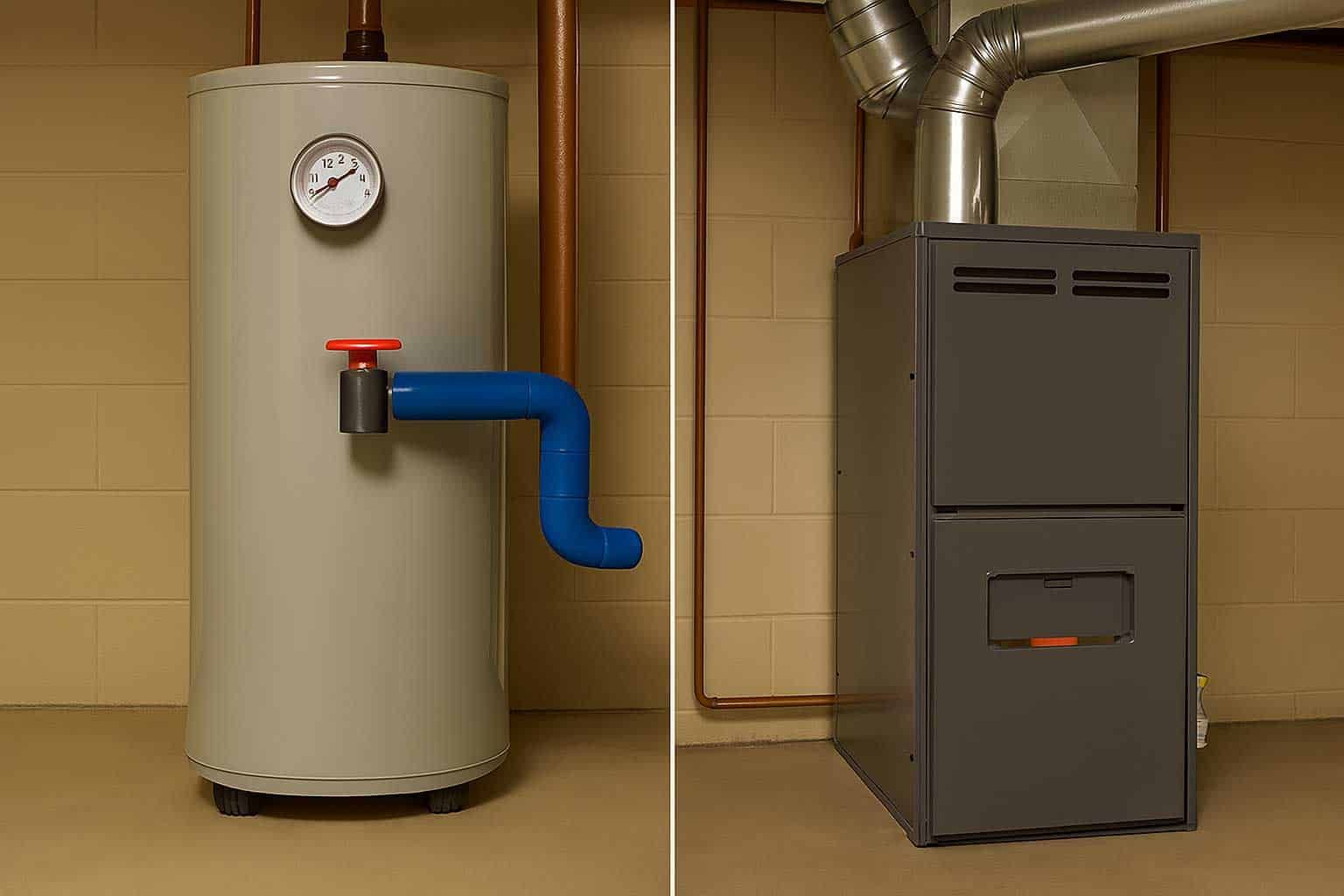
Choosing between a boiler and furnace for your Bellingham home affects comfort, energy bills, and maintenance for decades. While both systems heat your home effectively, they operate differently and excel in different situations. Understanding these differences helps you make the best choice for Western Washington's mild, humid climate.
How Each System Works
Furnace Operation: Furnaces heat air and distribute it through ductwork.
The heating process:
- Burns gas or uses electricity to heat air
- Blower forces heated air through ducts
- Air exits through registers in each room
- Returns to the furnace through return ducts
- Cycle repeats to maintain temperature
Modern furnaces achieve 80-98% efficiency ratings.
Boiler Operation: Boilers heat water and circulate it through radiators or radiant systems.
The heating process:
- Heats water to 120-180°F (not boiling despite name)
- Pump circulates hot water through pipes
- Heat radiates from radiators, baseboard units, or radiant floors
- Cooled water returns to the boiler for reheating
- Zone valves control heat to different areas
High-efficiency boilers reach 85-95% efficiency.
Comfort and Air Quality Differences
Furnace Comfort Characteristics:
Forced air systems create different comfort experiences.
Temperature patterns:
- Quick heat-up when system starts
- Noticeable temperature swings (±2-4°F)
- Air movement from vents
- Can create drafts in some areas
- Filters improve air quality
Boiler Comfort Benefits:
Radiant heat provides superior comfort in many ways.
Heating advantages:
- Even temperature distribution
- No air movement or drafts
- Silent operation
- Minimal temperature swings (±1°F)
- Doesn't circulate dust or allergens
For Western Washington's damp climate, boilers' lack of air circulation prevents circulating mold spores and allergens.
Installation and Complexity
Furnace Installation
Installing a new furnace varies based on system type and whether existing ductwork can be used. Homes with ducts already in place typically have a much faster installation, often completed within 1–2 days. If new ductwork is required, the project becomes more complex and time-intensive, as ducts represent a significant portion of the overall work.
Boiler Installation
Boiler installation costs and complexity vary based on fuel type and the heat distribution system you choose, such as radiators, baseboard units, or radiant floor heating. Radiant systems typically involve more planning and labor than traditional options. Installation usually takes between 2–5 days, depending on the system design and scope of work.
Operating Efficiency & Fuel Options in Bellingham
Fuel Source Comparison in Bellingham
Natural Gas (Most Common):
- Widely available in Whatcom County
- Lowest operating costs typically
- Reliable supply and delivery
- Both furnaces and boilers are available
Electricity:
- Universal availability
- Higher operating costs generally
- Heat pumps are more efficient than resistance
- Clean energy is increasingly renewable
Oil (Rural Areas):
- Limited to areas without gas service
- Price volatility concerns
- Delivery required
- Storage tank needed
- Environmental considerations
Maintenance Requirements
Furnace Maintenance Tasks
Regular upkeep needed:
- Filter changes: Monthly during heating season
- Annual professional tuning
- Duct cleaning: Every 3-5 years
- Blower motor service: As needed
- Heat exchanger inspection: Critical for safety
Boiler Maintenance Needs
System care requirements:
- Annual inspection:
- Water treatment: Prevents corrosion
- Pump and valve service: Every 5-10 years
- Radiator bleeding: Annual or as needed
- System flushing: Every 5-10 years
Boilers typically require less frequent but more specialized service.
Longevity and Replacement Timeline
Equipment Lifespan:
- Gas furnaces: 15-20 years
- Electric furnaces: 20-30 years
- Gas boilers: 15-25 years
- Radiators: 50+ years (rarely need replacement)
- Ductwork: 20-30 years
Boiler systems often have longer-lasting distribution components, making partial upgrades more cost-effective.
Zoning and Control Options
Furnace Zoning:
Duct systems can be zoned but require modifications.
Zoning options:
- Motorized dampers in ducts
- Variable-speed blowers
- Smart thermostats
- Bypass dampers required
- 2-4 zones typical maximum
Boiler Zoning:
Hydronic systems excel at zoning capabilities.
Zone control benefits:
- Individual room thermostats
- Zone valves control flow
- Unlimited zones possible
- Precise temperature control
- Energy savings through unoccupied space setback
Climate Considerations for Western Washington
Humidity Management:
Our 40-70% humidity affects system choice.
Furnace impact:
- Forced air can dry indoor air in winter
- May require humidification
- Air circulation helps prevent stagnation
Mild Temperature Performance:
Bellingham's moderate climate (lows rarely below 25°F) suits both systems.
Cooling Considerations:
Summer temperatures occasionally reach 80-85°F.
Options:
- Furnace systems: Add central AC easily
- Boiler systems: Require separate cooling (mini splits, window units)
- Heat pumps: Provide both heating and cooling
Home Type Suitability
Best for Furnaces:
- Existing ductwork present
- Open floor plans
- Newer construction
- Need for air conditioning
- Budget-conscious installations
Ideal for Boilers:
- Older homes without ducts
- Allergy/asthma concerns
- Multi-story homes
- Radiator character desired
- Quiet operation priority
Historic Home Considerations:
Many Bellingham homes built before 1950 originally had boiler systems and work well with modern boiler updates.
Environmental Impact
Carbon Footprint:
- Natural gas systems: Moderate emissions
- Electric systems: Depends on grid source (PSE increasingly renewable)
- Oil systems: Higher carbon impact
PSE's Clean Energy Initiative:
Puget Sound Energy's renewable energy investments make electric systems increasingly attractive from an environmental perspective.
Financing and Rebates
Available Incentives:
- Federal tax credits
- PSE rebates
- Utility financing: 0-7% APR
- Manufacturer rebates
Energy Trust Programs:
- Trade ally contractor networks
- Enhanced rebates for high efficiency
- Financing assistance available
Making the Decision
Choose a Furnace When:
- Existing ductwork in good condition
- Air conditioning desired
- Budget constraints important
- Quick installation needed
- Forced air acceptable
Choose a Boiler When:
- No existing ductwork
- Superior comfort priority
- Allergies/air quality concerns
- Quiet operation essential
- Zoning control important
Ask The Experts
Our 1940s Bellingham home has old radiators. Should we update to forced air or stick with a new boiler?
Stick with boilers! Your existing radiator distribution probably works beautifully and represents thousands in infrastructure value. A new high-efficiency boiler costs far less than furnace plus full ductwork installation. Plus, you'll maintain the superior comfort and quiet operation that hydronic systems provide.
We're building a new home. Which system offers better long-term value in our climate?
For new construction, consider a heat pump system for heating and cooling, or a high-efficiency furnace with central AC. Both systems cost less to install than boilers in new homes and provide summer cooling. However, if quiet operation and superior comfort are priorities and budget allows, boilers with mini splits for cooling create the ultimate comfort combination.
Get Expert Heating System Guidance
Choosing between boiler and furnace affects your comfort and costs for decades. Our heating specialists evaluate your home's specific needs, existing infrastructure, and budget to recommend the optimal system.
Schedule your heating system consultation to make the right choice for your home.