The Science Behind Drain Cleaning: Chemical vs. Mechanical Methods
Choosing between chemical drain cleaners and mechanical methods isn't just about clearing clogs—it's about understanding how each approach affects your pipes, health, and wallet. This scientific breakdown helps you make informed decisions when drains slow or stop.
How Drains Actually Clog
Understanding clog formation helps select appropriate treatment methods.
Common Clog Compositions:
Kitchen Drains:
- Grease and oils (solidify when cooled)
- Food particles (coffee grounds, rice, pasta)
- Soap scum is combining with grease
- Mineral deposits from hard water
- Accumulated biomass (bacterial growth)
Bathroom Drains:
- Hair (doesn't decompose)
- Soap scum (fatty acids + minerals)
- Toothpaste residue
- Shaving cream buildup
- Biofilm formation
The Clogging Process:
- Initial adhesion to pipe walls
- Layer accumulation narrows the diameter
- Debris catches on the buildup
- Flow restriction increases deposits
- Complete blockage eventually occurs
Pipe material affects clog formation—rough surfaces collect more debris.
Chemical Drain Cleaners: The Science
Caustic Cleaners (Lye-Based) Active ingredient:
Sodium hydroxide or potassium hydroxide
How they work:
- Generate heat up to 200°F
- Break down organic matter
- Saponify grease into soap
- Dissolve hair protein structure
- Reaction continues until neutralized
Effectiveness: 60-70% on organic clogs.
Risk level: High—burns skin, damages pipes
Oxidizing Cleaners (Bleach-Based) Active ingredients:
Sodium hypochlorite, peroxides
Chemical action:
- Release oxygen to break bonds
- Oxidize organic material
- Kill bacteria in biofilm
- Clear lighter blockages
- Less heat generation
Effectiveness: 40-50% on minor clogs.
Risk level: Moderate—toxic fumes, pipe discoloration.
Acid Cleaners (Professional Only) Active ingredient:
Sulfuric or muriatic acid
Reaction process:
- Dissolve virtually everything
- Generate extreme heat
- Break down mineral deposits
- Destroy organic matter
- Require extreme caution
Effectiveness: 90% on tough clogs.
Risk level: Extreme—professional use only.
Hidden Dangers of Chemical Cleaners
Pipe Damage Timeline:
PVC/Plastic Pipes:
- First use: Minimal damage
- Regular use: Softening begins
- 6 months: Joint degradation
- 1 year: Potential failure
- Heat damage irreversible
Metal Pipes:
- Copper: Corrosion acceleration
- Galvanized: Zinc layer removal
- Cast iron: Rust acceleration
- Chrome fixtures: Permanent damage
Environmental Impact:
- Wastewater treatment interference
- Aquatic life toxicity
- Groundwater contamination
- Hazardous waste disposal is required
- Bioaccumulation in the food chain
Health Hazards:
- Chemical burns (immediate)
- Respiratory damage (fumes)
- Eye injury (splashing)
- Toxic combinations (mixing products)
- Child/pet poisoning risk
Mechanical Methods: Physical Solutions
Plunging (Basic Mechanical) How it works:
- Creates a pressure differential
- Forces water column movement
- Dislodges loose blockages
- No chemical risks
- Immediate results visible
Effectiveness: Works about 70% of the time for simple clogs.
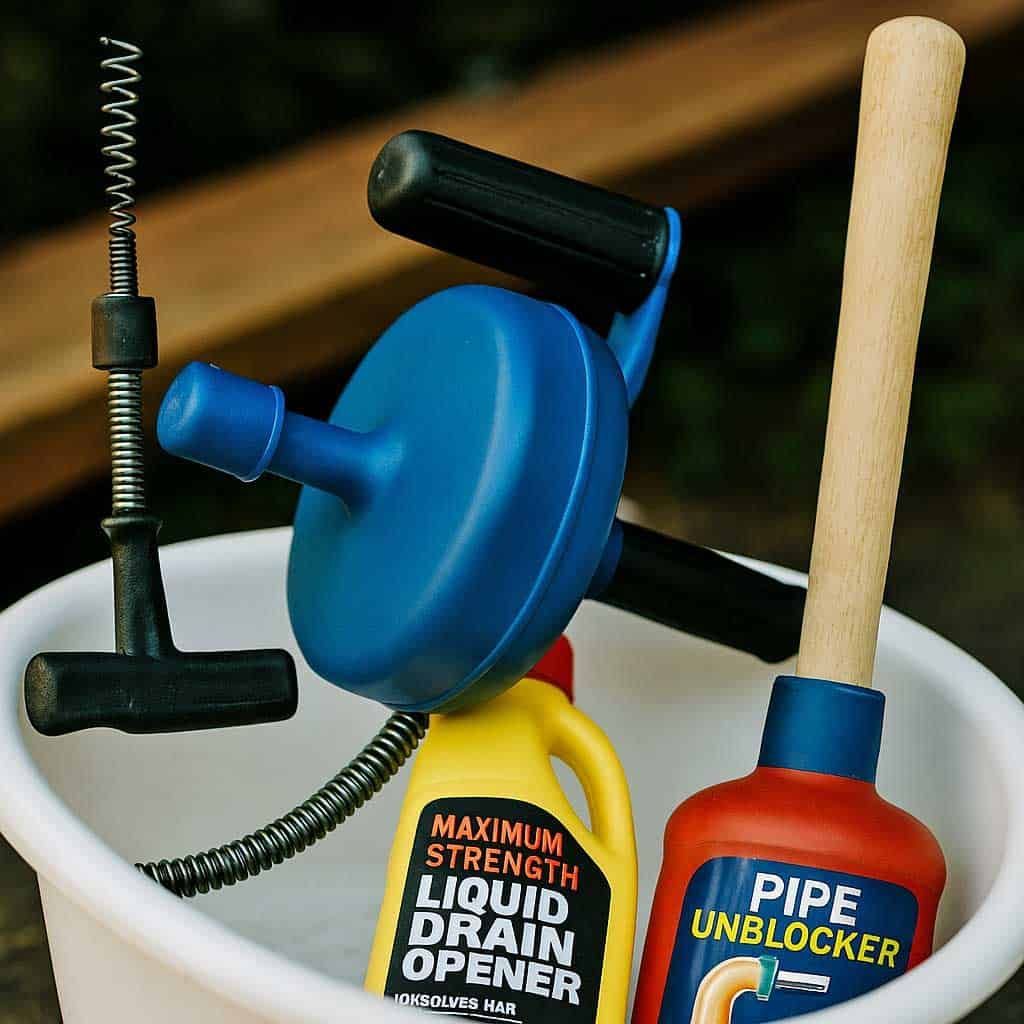
Drain Snakes (Augers) Mechanical action:
- Rotating cable breaks through clogs
- Hooks grab hair and debris
- Scrapes pipe walls clean
- Reaches 25-50 feet typically
- Reusable tool
Effectiveness: Works for 80–85% of common clogs, making it a reliable tool for homeowners.
Hydro Jetting High-pressure water (1,500-4,000 PSI):
- Scours the entire pipe diameter
- Removes all buildup types
- Flushes debris completely
- Cleans, not just clears
- Restores full flow capacity
Effectiveness:
95–99% success rate
Comparing Effectiveness
Grease Clogs:
- Chemicals: 40% effective (temporary)
- Cold water jetting: 70% effective
- Hot Jetter: 95% effective (lasting)
- Snaking: 50% effective
Hair Clogs:
- Chemicals: 60-70% effective
- Snaking: 85% effective
- Hydro jetting: 95% effective
- Plunging: 30% effective
Mineral Deposits:
- Acids: 80% effective (dangerous)
- Mechanical removal: 90% effective
- Hydro jetting: 85% effective
- Standard chemicals: 10% effective
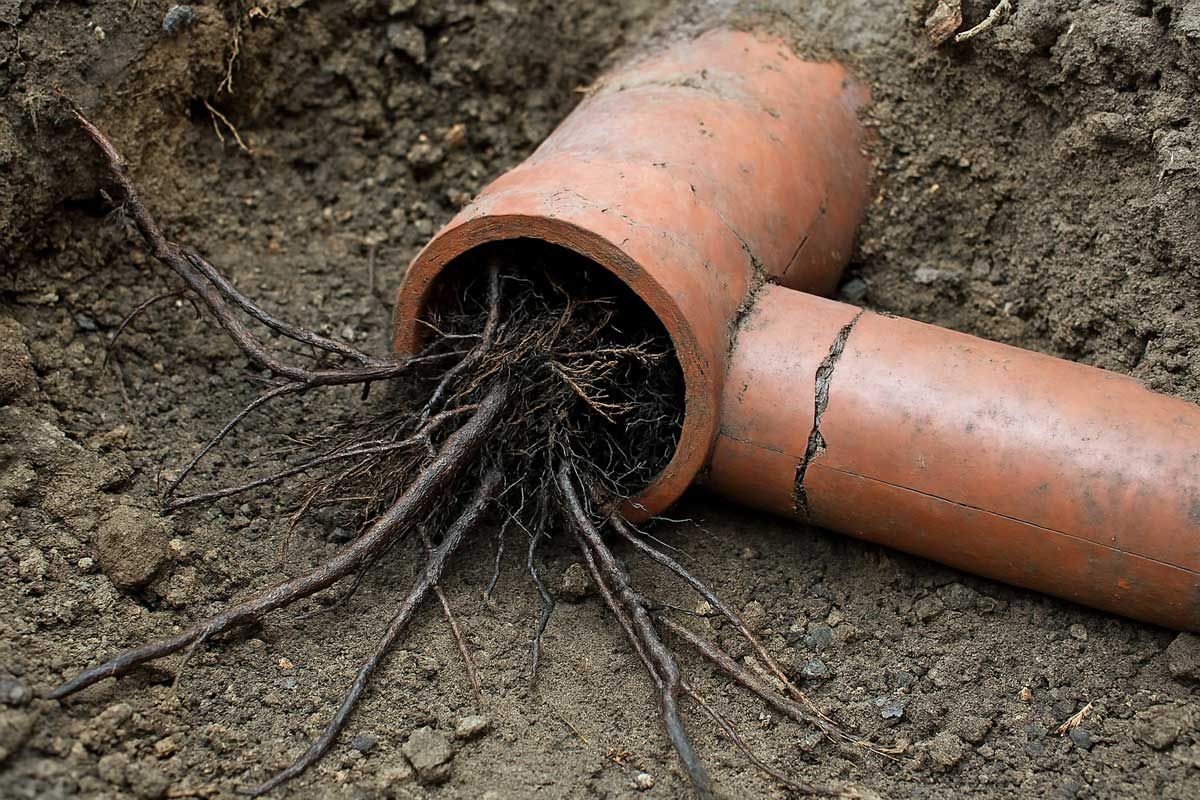
Root Intrusion:
- Chemicals: 5% effective
- Mechanical cutting: 90% effective
- Hydro jetting: 85% effective
- Combination approach: 95% effective
Cost Analysis: Short vs. Long Term
Chemical Approach (Annual):
- Products: Ongoing monthly costs for treatment
- Pipe damage: Potential long-term repair expenses
- Health costs: Can vary depending on exposure
- Environmental impact: unmeasured
- Total impact: Significant when combining all factors
Mechanical Maintenance (Annual):
- DIY: Requires basic tools
- Professional service: Recommended for thorough upkeep
- No risk of pipe damage
- No health risks
- Typical cost varies depending on service choice
Prevention Investment:
- Drain screens
- Monthly enzyme treatment
- Annual professional jetting
These simple steps together can prevent virtually all clogs, keeping your plumbing running smoothly year-round.
DIY Safe Practices
Green Cleaning Alternatives:
Baking Soda + Vinegar:
- Pour 1/2 cup baking soda
- Follow with 1 cup vinegar
- Cover drain 30 minutes
- Flush with boiling water
- Effectiveness: 30% minor clogs
Enzyme Cleaners:
- Biological action breaks down organics
- Safe for all pipes
- Preventive use best
- Takes 8-24 hours
- Monthly application recommended
Boiling Water Flush:
- Weekly prevention method
- Melts soap and grease
- Costs nothing
- Safe for metal pipes
- Use cautiously with PVC
When to Call Professionals
Immediate Professional Needs:
- Multiple fixtures are backing up
- Sewage in the home
- Chemical cleaner failure
- Recurring clogs
- Gurgling throughout the house
Tools Professionals Use:
- Video inspection cameras
- Locating equipment
- Commercial jetters
- Power augers
- Root cutting equipment
Professional Advantages:
- Diagnose the actual problem
- Permanent solutions
- Prevent damage
- Warranty on work
- Safety expertise
Prevention: The Best Science
Kitchen Drain Protection:
- Never pour grease down the drain
- Run cold water with the disposal
- Use sink strainers
- Weekly hot water flush
- Monthly enzyme treatment
Bathroom Drain Care:
- Install hair catchers
- Clean stoppers monthly
- Minimize product use
- Regular maintenance
- Avoid "flushable" wipes
Environmental Considerations
Chemical Impact:
- 8.1 million pounds of drain cleaner are used annually
- Wastewater treatment disruption
- Pipe replacement waste
- Toxic manufacturing process
- Container disposal issues
Mechanical Benefits:
- Water-only cleaning possible
- No chemical introduction
- Pipes last their full lifespan
- Reduced replacement waste
- Sustainable approach
Safety Protocol for Any Method
Essential Protection:
- Safety goggles always
- Rubber gloves required
- Ventilation crucial
- Never mix products
- Keep children away
Emergency Response:
- Chemical contact: Flush 15 minutes
- Inhalation: Fresh air immediately
- Ingestion: Call poison control
- Document products used
- Seek medical attention
Ask The Experts
I've been using chemical drain cleaner monthly for slow drains. Is this damaging my pipes?
Yes, regular chemical use significantly shortens pipe lifespan. Monthly use can cause PVC joint failure within a year and corrodes metal pipes rapidly. The slow drain indicates partial blockage that chemicals aren't solving. Professional cleaning removes the buildup completely, ending the need for chemicals and saving your pipes.
Why does my drain clog again weeks after using drain cleaner?
Chemical cleaners often create a small channel through clogs without removing all buildup. Water flows temporarily, but debris quickly reaccumulates in the remaining buildup. Mechanical cleaning removes everything, providing lasting results. Think of chemicals as creating a tunnel through snow versus mechanical methods plowing the entire road clear.
Choose the Right Drain Cleaning Method
Stop risking pipe damage and health hazards with chemical cleaners. Our professional mechanical cleaning, including Hot Jetter service, provides safe, effective, lasting results.
Schedule your professional drain cleaning
for a permanent solution to drain problems.