Water Conservation Tips That Actually Save Money
Water conservation in Bellingham isn't just about environmental responsibility—it's about real savings on utility bills. With water and sewer rates rising annually, smart conservation strategies can save hundreds of dollars while maintaining comfort and convenience.
Understanding Your Water Bill
Bellingham's Rate Structure: Knowing how you're charged helps target conservation efforts effectively.
Current billing components:
- Base service charge – a fixed monthly fee
- Water usage – billed per unit of consumption
- Sewer charges – generally a multiple of water costs
- Stormwater fees – based on property size
By saving just one unit of water, you can significantly reduce your overall bill, including sewer costs.
High-Impact Indoor Conservation
Toilet Upgrades (Biggest Saver):
Toilets account for 30% of indoor water use.
Replacement benefits:
- Old toilets: 3.5-7 gallons per flush
- WaterSense models: 1.28 gallons or less
- Daily savings: 20-40 gallons per toilet
- Annual savings: noticeable on your water bill
- Rebates are often available.
DIY installation is straightforward and typically pays for itself in a couple of years.
Showerhead Swaps: Simple changes yield immediate savings.
Efficiency comparison:
- Standard heads: 2.5-5 GPM
- WaterSense models: 2.0 GPM maximum
- Savings per 10-minute shower: 5-30 gallons
- Installation time: 5 minutes
High-quality low-flow shower heads maintain strong water pressure while significantly reducing water usage.
Faucet Aerators:
Cheapest upgrade with fastest payback.
Installation benefits:
- Reduces water flow by 30–50% while keeping the same pressure feel
- Quick return on investment
- Payback period: 1-2 months
Appliance Efficiency Strategies
Washing Machine Optimization
Without replacing your washer:
- Run full loads only: Saves 15-45 gallons per load
- Use cold water: Reduces energy 90%
- Select an appropriate load size
- Skip extra rinse unless necessary
When replacing:
- ENERGY STAR models use 40% less water
- Front-loaders beat top-loaders
- 14 gallons vs. 40 gallons per load
- Rebates available
Dishwasher Best Practices
Efficiency tips:
- Full loads only (same water regardless)
- Skip pre-rinsing (wastes 20 gallons)
- Use eco-mode settings
- Fix door seal leaks immediately
- Choose ENERGY STAR when replacing
Modern dishwashers use 4-6 gallons vs. 27 gallons hand-washing.
Hidden Leak Detection
The Toilet Dye Test:
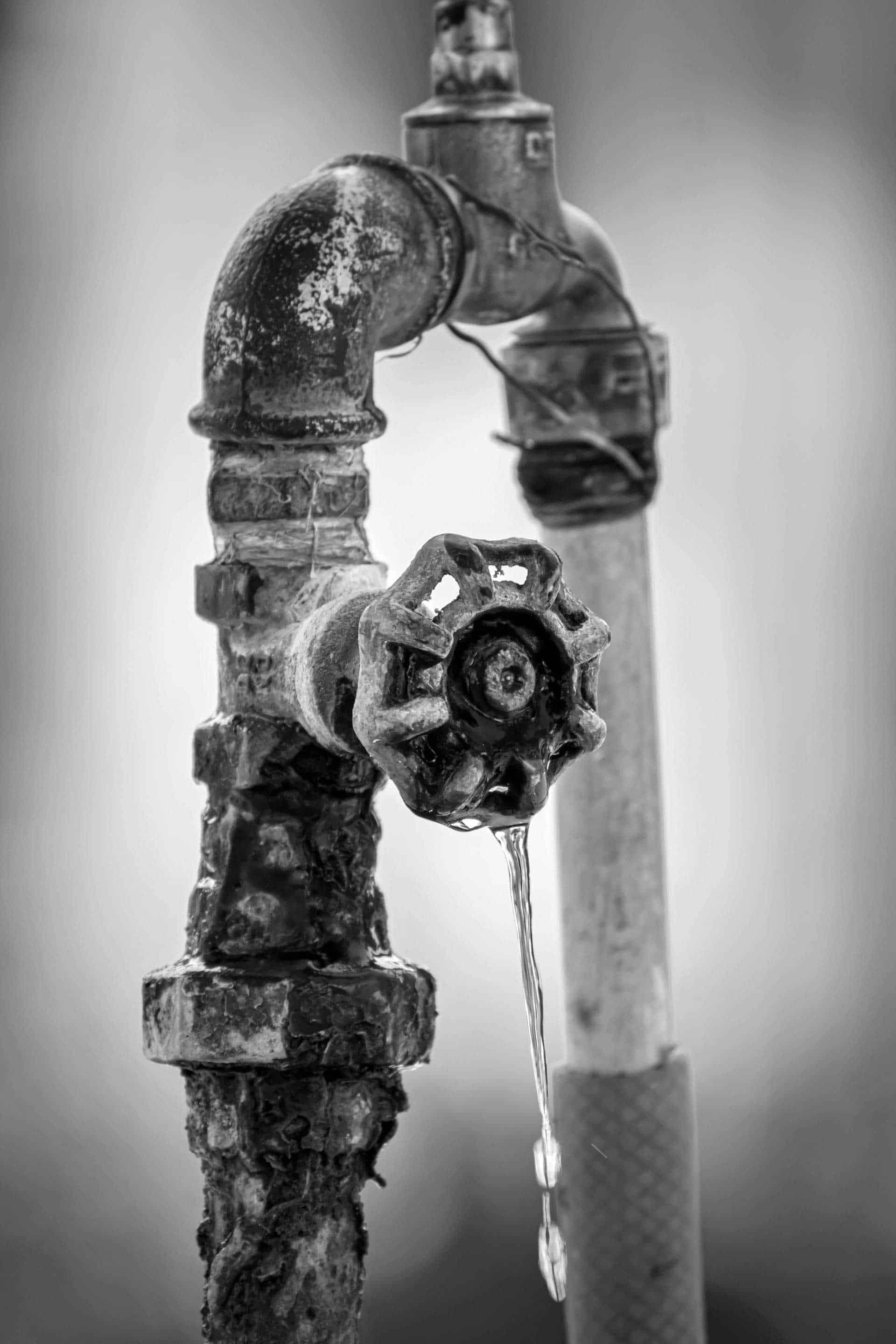
Silent leaks waste thousands of gallons annually.
Testing procedure:
- Add food coloring to the tank
- Wait 30 minutes without flushing
- Check the bowl for color
- Replace the flapper if the color appears
- Repeat every 6 months
Meter Reading Method:
Catch whole-house leaks early.
Detection steps:
- Turn off all water use
- Read the meter and note the position
- Wait 2 hours without water use
- Check for movement
- Movement indicates a hidden leak
An average leak wastes 10,000 gallons yearly.
Common Leak Locations:
- Toilet flappers: 200 gallons daily
- Dripping faucets: 3,000 gallons yearly
- Garden hoses: 180 gallons per hour
- Irrigation systems: 6,300 gallons monthly
- Service line leaks: 500+ gallons daily
Smart Outdoor Conservation
Irrigation Intelligence
Lawn watering wastes more water than any other outdoor use.
Optimization strategies:
- Water before 10 AM or after 6 PM
- Deep, infrequent watering beats daily sprinkles
- Adjust for rainfall (1" rain = skip one week)
- Fix broken sprinkler heads immediately
- Install rain sensors
Proper scheduling saves 30-50% on outdoor water use.
Native Plant Landscaping
Northwest natives thrive without supplemental watering.
Water-wise choices:
- Salal: Evergreen groundcover
- Oregon grape: Drought-tolerant shrub
- Sword ferns: Classic Northwest look
- Kinnikinnick: Spreading groundcover
- Rhododendrons: Established plants need no water
Replacing 1,000 sq ft of lawn saves 20,000 gallons annually.
Rainwater Harvesting
Bellingham's 35" annual rainfall provides free irrigation.
Collection basics:
- 55-gallon barrels are a simple starting point
- 1,000 sq ft roof yields 600 gallons per inch
- Gravity-fed systems work great
- Mosquito screening essential
- Winter overflow planning is required
Behavioral Changes That Count
Kitchen Habits
Small changes, big impact:
- Defrost frozen food in the refrigerator, not by running water
- Keep a cold water pitcher in the fridge
- Compost instead of garbage disposal use
- Wash vegetables in a basin, reuse water for plants
- Fix dripping faucets immediately
Bathroom Behaviors
Daily opportunities:
- Turn off the tap while brushing teeth (2 gallons/minute)
- Shorten showers by 2 minutes (5 gallons)
- Fix running toilets immediately
- Don't use the toilet as a wastebasket
- Report commercial restroom leaks
Available Rebates and Incentives
City of Bellingham Programs:
- Toilet rebates
- Washing machine rebates
- Smart controller rebates
- Rain barrel discounts
- Free home water audits
All programs offer financial incentives to help you save on water-efficient upgrades.
Utility Company Offerings:
- WaterSense product discounts
- Irrigation assessment programs
- Leak detection assistance
- Conservation kit giveaways
- Educational workshops
Federal Tax Credits:
- ENERGY STAR appliances
- Greywater systems
- Rainwater harvesting
Significant savings may be available for qualifying installations.
ROI Analysis
Quick Wins:
- Faucet aerators: 1-month payback
- Shower timer: 2-month payback
- Toilet dye tablets: Immediate savings
- Hose nozzle: One season payback
Medium Investments:
- Low-flow toilets: 2-year payback
- Smart irrigation controller: 2-3 year payback
- Rain barrels: 3-year payback
- Showerhead upgrades: 6-month payback
Major Upgrades:
- High-efficiency washer: 4-year payback
- Greywater system: 5-7 year payback
- Drought-tolerant landscaping: 3-5 year payback
- Smart leak detection: Insurance savings variable
Tracking Your Success
Monthly Monitoring:
- Compare bills year-over-year
- Track gallons per day usage
- Note seasonal patterns
- Document improvements made
- Calculate cumulative savings
Setting Goals:
- Reduce usage 10% first year
- 20% reduction achievable for most
- 30% possible with upgrades
- Track progress monthly
- Celebrate milestones
Water-Saving Myths Debunked
Myth: Low-flow fixtures provide poor performance. Truth: Modern designs maintain satisfaction while saving water
Myth: Dishwashers waste more than hand-washing. Truth: ENERGY STAR models use 75% less water
Myth: Brown lawns never recover. Truth: Northwest grasses naturally dormant in summer, recover with fall rain
Myth:
Conservation requires sacrifice.
Truth: Smart choices maintain comfort while saving money
Creating Your Conservation Plan
Phase 1: No-Cost Changes (Immediate)
- Fix existing leaks
- Adjust behaviors
- Optimize appliance use
Phase 2: Low-Cost Upgrades (1-3 months)
- Install aerators
- Add shower timers
- Replace toilet flappers
Phase 3: Strategic Investments (6-12 months)
- Upgrade fixtures
- Smart controllers
- Efficient appliances
Ask The Experts
Which single upgrade saves the most water and money?
Replacing old toilets with WaterSense models makes the biggest impact. A pre-1994 toilet using 3.5+ gallons per flush wastes significantly more water than a 1.28-gallon efficient model. With available rebates, payback can occur quickly, while each upgraded toilet can save around 13,000 gallons of water per year.
Is a greywater system worth installing in Bellingham?
Because Bellingham gets plenty of rain, greywater systems are usually less practical here. They’re most useful for large households or homes with big summer gardens. For most homes, focusing on rainwater harvesting and efficient fixtures makes more sense.
Start Saving Water and Money Today
Every drop saved reduces both water and sewer charges. Our conservation specialists identify your biggest saving opportunities through professional water audits.
Schedule your water conservation consultation
to start reducing bills immediately.