What’s the difference between conventional water heaters and tankless?

November 16, 2017

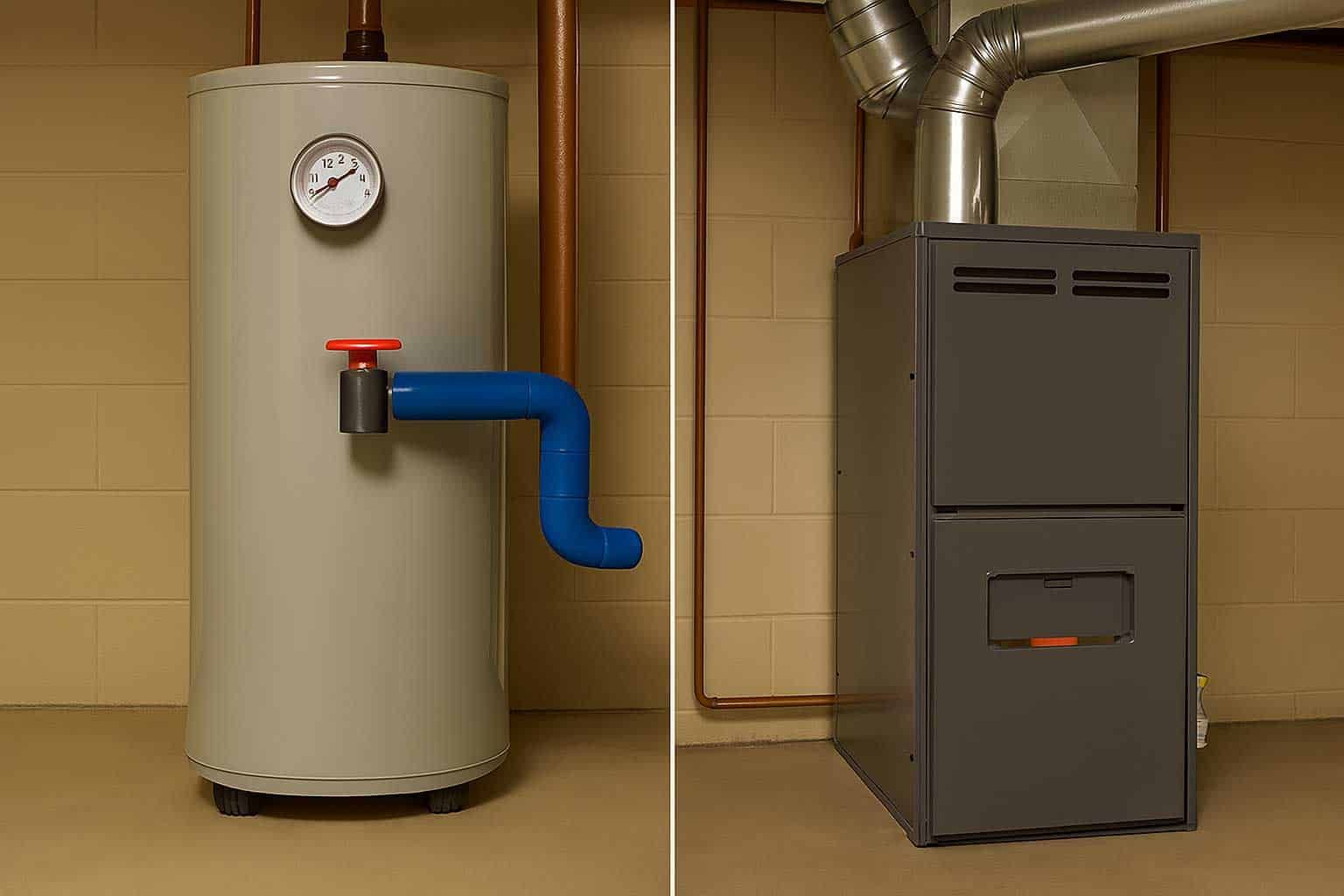
Conventional water heaters are by far the most common type of water heater in the U.S. today. They range in size from 20 to 80 gallons (or larger) and are powered by electricity, natural gas, propane, or oil. Called ‘storage’ units, these water heaters transfer heat from a burner or coil to water in an insulated tank. The down side to a conventional water heater is that energy is consumed even when no hot water is being used.

Tankless water heaters do not contain a storage tank like conventional water heaters. A gas burner or electric element heats the water only when there is a demand for hot water.

Traditional: Traditional water heaters are designed to heat and store water in a tank, usually 40 or 50 gallons at a time. When someone in your home takes a shower or bath, the pre-heated water stored in the tank flows to the point of use. The tank is then filled again with new water from your water source. This new water is heated and stored, and the cycle continues.

Tankless: A tankless water heater heats water only at the time it is being used, instead of storing pre-heated water in a water tank. Therefore, the energy needed to heat the water is only consumed at the time and for the duration that the water is in demand.

There are many things to consider when choosing conventional vs. tankless water heating systems. A Gary’s water conditioning specialist can guide you through your options and get the right system for home that will give years of service and efficient performance.

Share this article

More Recent Posts

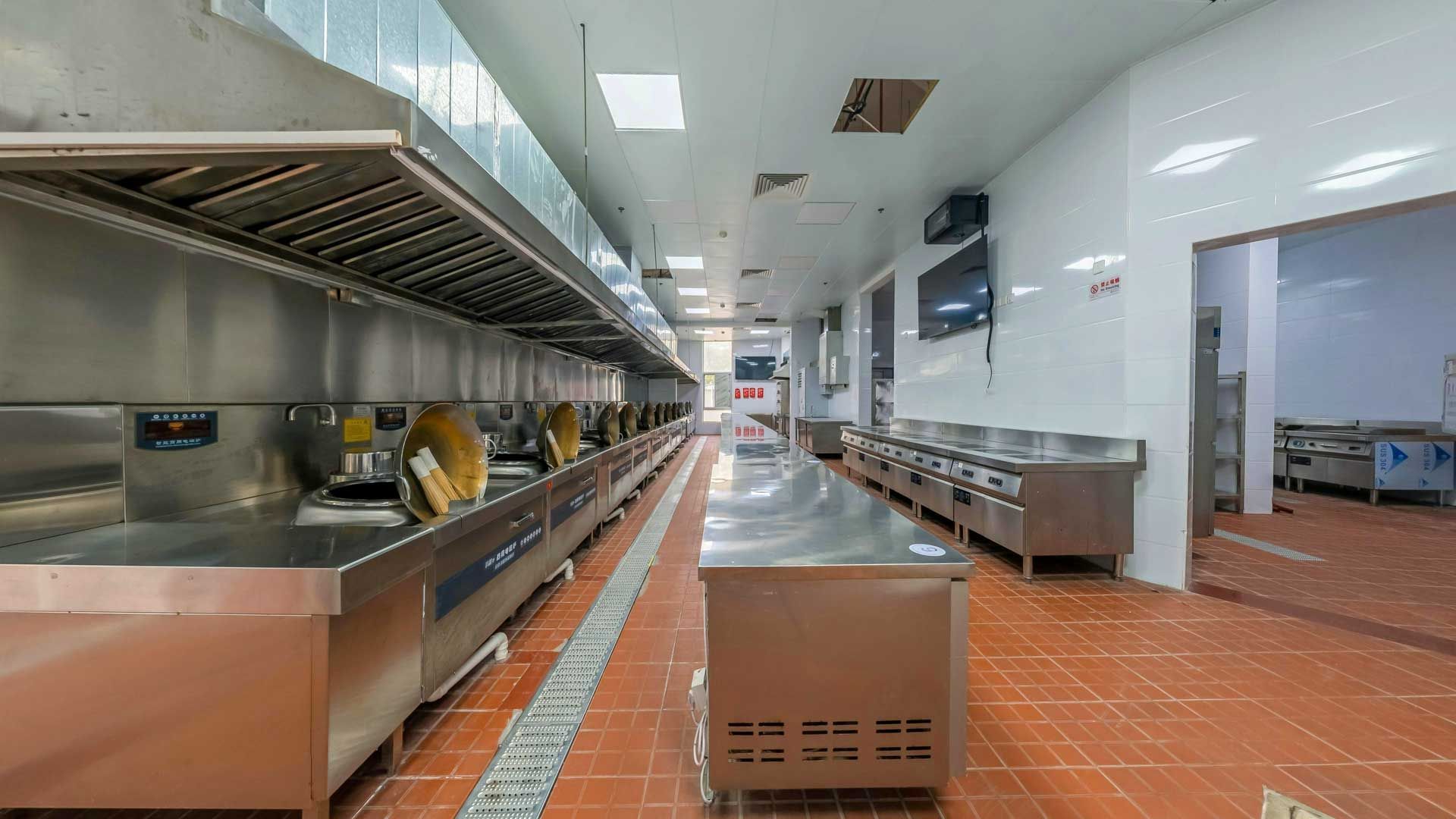
Clean commercial kitchen with stainless steel counters and ventilation hoods.
By Matt Agnini June 21, 2026
Prevent backups and fines with proper grease management. Hot jetter service, maintenance plans, and compliance tips for Bellingham restaurants.
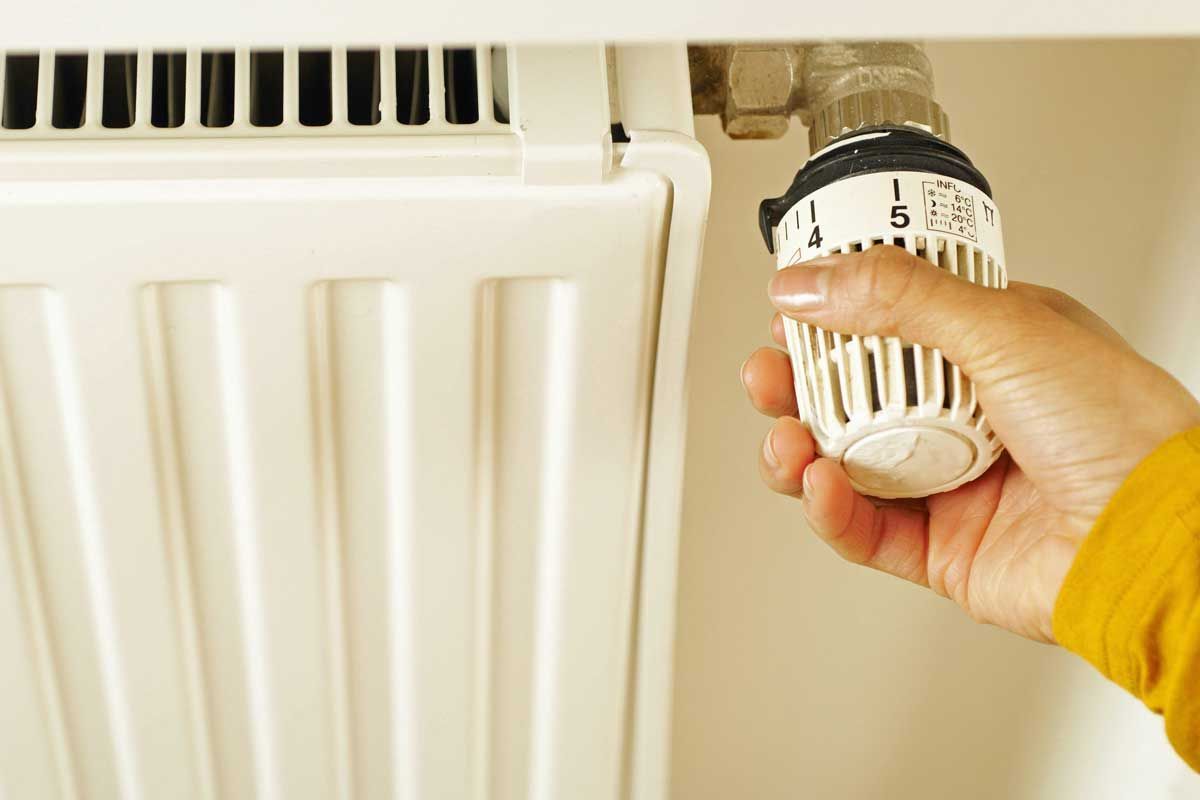
Hand turning a radiator thermostat low to prepare plumbing for vacation home absence.
By Matt Agnini June 7, 2026
Protect vacation homes from frozen pipes and water damage. Get a winterization checklist, monitoring tips, and startup procedures for Whatcom County.
Gary's technician is installing an air conditioning unit on a white wall.
By Matt Agnini May 17, 2026
Mini splits save 40-50% on heating costs in Bellingham's climate. Zone control, easy installation & cooling included. Get expert sizing & installation today.
Roots blocking a broken orange pipe in dirt, illustrating a plumbing issue.
By Matt Agnini May 3, 2026
Stop tree roots from destroying sewer lines. Prevention strategies & treatment options for Bellingham homes. Hot Jetter service available. Call today!
A pipe with limescale deposits, causing hard water
By Matt Agnini April 19, 2026
Hard water can cost homeowners $2,000+ yearly in damage and bills. Learn the hidden costs and explore solutions. Free water testing available.
Shower controls with a semi-circular grab bar and two buttons with showerhead and temperature icons.
By Matt Agnini April 5, 2026
Explore smart plumbing tech from leak sensors to whole-house systems. Learn costs, benefits, and ROI for Bellingham homes. Expert installation available.
Checking under sink plumbing for leaks in spring
By Matt Agnini March 15, 2026
Complete spring plumbing inspection guide with 15 checkpoints. DIY tests, pro tips & seasonal maintenance for Bellingham homes. Prevent costly summer repairs.
Hand holding AC remote, pointing at wall-mounted unit, setting temperature to 21 degrees.
By Matt Agnini February 1, 2026
Learn how your HVAC affects indoor air quality. Filter options, UV lights, humidity control & solutions for healthier Bellingham homes. Expert tips included.
Plumber adjusts valve to manage water pressure.
By Matt Agnini January 29, 2026
Learn optimal PSI, test water pressure, and fix high or low pressure problems. Expert tips for Bellingham homeowners. Schedule service today.
Two water heaters side-by-side: a tall, gray tank next to a white, wall-mounted unit
By Matt Agnini January 27, 2026
Compare tank, tankless & heat pump water heaters for Bellingham homes. Costs, efficiency ratings & expert tips to choose the best system for your needs.
Show More