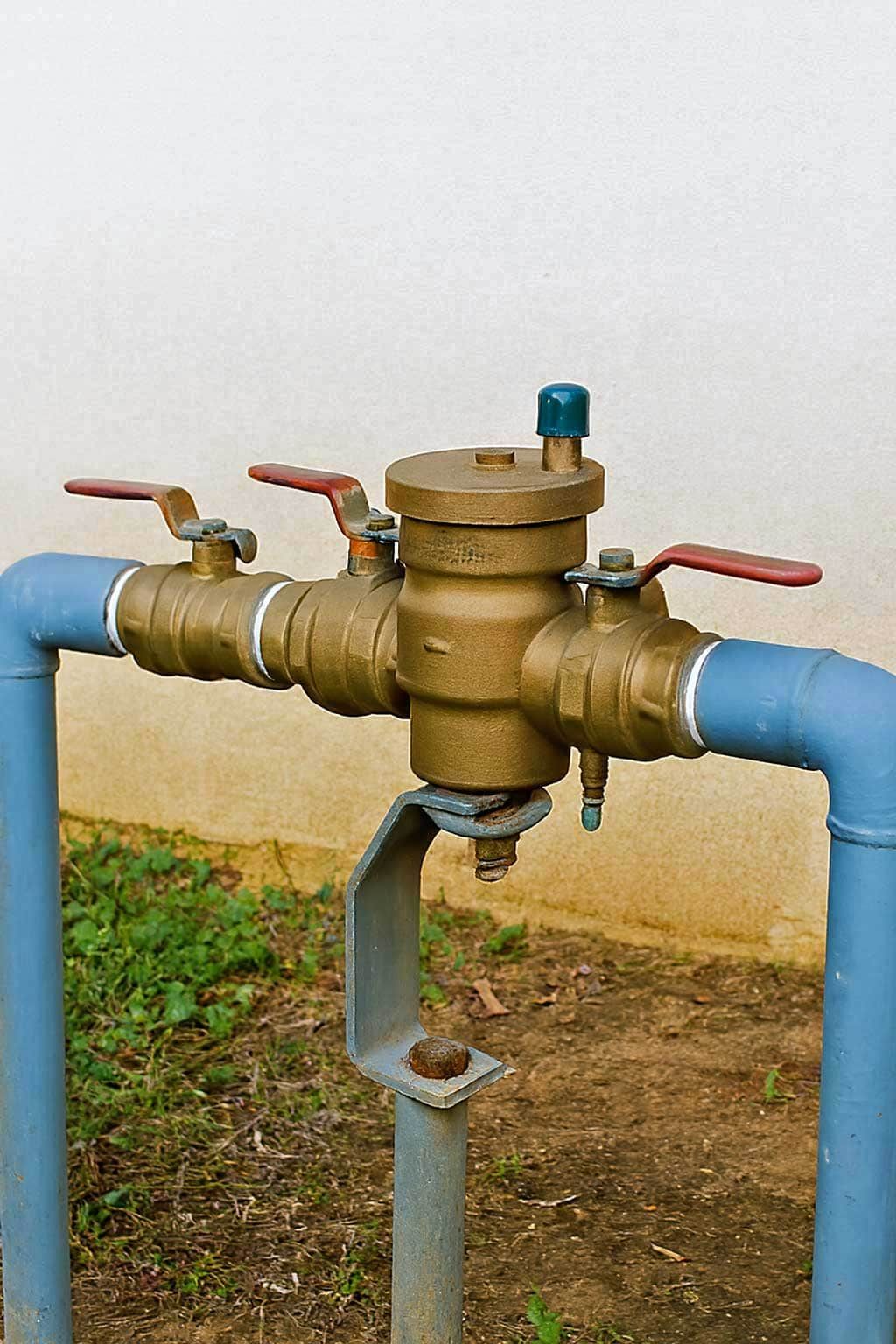
Understanding Backflow Prevention: Protecting Your Water Supply
Backflow prevention might seem like technical jargon, but it's your home's critical defense against contaminated water entering your drinking supply. Understanding these devices, testing requirements, and local regulations protects your family's health and keeps you compliant with Whatcom County codes.
What Is Backflow and Why Should You Care?
Backflow occurs when water flows backward through your plumbing, potentially bringing contaminants into clean water supplies.
Two Types of Backflow:
Backpressure:
- Downstream pressure exceeds supply pressure
- Caused by pumps, boilers, or elevation changes
- Forces contaminated water upstream
- Common in irrigation and heating systems
Backsiphonage:
- Negative pressure creates a vacuum effect
- Occurs during main breaks or high demand
- Sucks contamination back into the supply
- Garden hoses are the primary culprits
Real-world example: A garden hose submerged in a pool during city maintenance could siphon pool chemicals into your home's drinking water—and potentially the neighborhood's supply.
Common Backflow Hazards in Your Home
High-Risk Connections:
Irrigation Systems
- Direct connection to water supply
- Fertilizers and pesticides present
- Underground contamination exposure
- Requires RPZ or PVB device
- Annual testing mandatory
Garden Hoses
- Submerged in pools, hot tubs, buckets
- Chemical sprayer attachments
- Livestock water containers
- Fish pond filling
- Simple vacuum breakers are required
Boiler/Heating Systems
- Chemical treatments added
- Closed loop with pressure changes
- Antifreeze in some systems
- Requires reduced pressure zone device
Pool/Spa Auto-Fill Lines
- Chemical contamination risk
- Atmospheric vacuum breaker minimum
- Air gap preferred method
- Regular inspection needed
Types of Backflow Prevention Devices
Atmospheric Vacuum Breaker (AVB)
Applications:
- Irrigation systems (non-continuous pressure)
- Laboratory equipment
- Commercial dishwashers
- Must be installed 6" above the highest outlet
- Cannot have downstream valves
Pressure Vacuum Breaker (PVB)
Features:
- Most common for residential irrigation
- Can handle continuous pressure
- Install 12" above the highest sprinkler
- Spring-loaded check valve
- Test cocks for verification
Double Check Valve Assembly (DCVA)
Uses:
- Low-hazard applications
- Fire sprinkler systems
- Some commercial properties
- Two check valves in series
- Test cocks between valves
Reduced Pressure Zone Device (RPZ)
Maximum protection:
- High-hazard applications required
- Commercial/industrial standard
- Relief valve dumps contaminated water
- Most reliable protection
- Annual testing mandatory
Local Testing Requirements
Whatcom County Regulations
Mandatory testing schedule:
- Irrigation systems: Annually before startup
- Commercial properties: Annually minimum
- High-hazard connections: Annually or more
- Fire systems: Per fire code requirements
- Residential hose bibbs: Installation only
Testing Process:
- Certified tester required (BAT certified)
- Test gauge calibration verified
- Device functionality checked
- Results submitted to the water purveyor
- Repairs completed if failed
Testing costs: Typically range based on the device and service provider.
Installation Requirements
Permit Requirements: All backflow installations require:
- Plumbing permit from the jurisdiction
- Approved device for the hazard level
- Proper installation height/orientation
- Accessibility for testing
- Protection from freezing
Location Specifications:
Above-Ground Installation:
- Minimum 12" clearance all sides
- Protected from freezing
- Accessible for maintenance
- Proper drainage for discharge
- Secured against vandalism
Below-Ground Vaults:
- Approved vault design
- Adequate drainage
- Ladder access if deep
- Flood-resistant
- Additional permit requirements
Residential Irrigation Typical Setup:
- PVB installed after isolation valve
- 12" above highest sprinkler head
- Before any branch lines
- Unions for easy removal
- Insulation for freeze protection
DIY vs. Professional Installation
What Homeowners Can Do:
- Install hose bib vacuum breakers
- Add antisiphon valves to toilets
- Attach hose-end backflow preventers
- Basic maintenance checks
- Winter drainage procedures
Requires A Licensed Plumber:
- Irrigation system backflow devices
- RPZ installations
- Main water line devices
- Testing and certification
- Permit applications
Why Professional Installation Matters:
- Proper sizing critical
- Height requirements specific
- Orientation affects operation
- Testing requires certification
- Warranty protection
Maintenance and Winterization
Seasonal Care Requirements:
Spring Startup:
- Visual inspection for damage
- Test operation before use
- Schedule annual testing
- Check for freeze damage
- Verify proper drainage
Fall Shutdown:
- Drain completely before freezing
- Remove or insulate device
- Close isolation valves
- Document shutdown date
- Schedule spring testing
Year-Round Monitoring:
- Check for continuous discharge
- Listen for unusual sounds
- Watch for leaks
- Maintain clearances
- Keep accessible
Common Violations and Corrections
Inspection Failures:
Improper Installation Height
- PVB too low
- Solution: Raise or relocate the device
Missing Annual Testing
- No current certification
- Solution: Schedule an immediate test
Wrong Device Type
- Hazard level mismatch
- Solution: Upgrade to a proper device
Bypass Connections
- Circumventing protection
- Solution: Remove illegal connections
- Serious violation consequences
Special Considerations for Businesses
Commercial Requirements:
- Multiple devices are often needed
- Higher hazard classifications
- More frequent testing is required
- Detailed record keeping is mandatory
- Larger fines for non-compliance
Industry-Specific Needs:
- Restaurants: Carbonated beverage systems
- Medical: Laboratory and dental equipment
- Agriculture: Fertigation systems
- Manufacturing: Process water connections
- Schools: Science lab equipment
Smart Technology Integration
Modern Monitoring Options:
- Wireless test reporting
- Automatic test reminders
- Flow monitoring capabilities
- Freeze alerts
- Leak detection integration
Benefits:
- Reduced testing costs over time
- Immediate problem notification
- Compliance documentation simplified
- Insurance premium reductions
- Peace of mind
Health Risks from Backflow Events
Documented Contamination Cases:
- Pesticides from lawn treatment
- Bacteria from stagnant water
- Chemicals from pools/spas
- Antifreeze from heating systems
- Sewage from cross-connections
Symptoms of Contaminated Water:
- Gastrointestinal illness
- Chemical burns
- Respiratory problems
- Skin irritation
- Long-term health effects are possible
Ask The Experts
Do I really need backflow prevention for my simple garden irrigation system?
Yes, absolutely. Irrigation systems connect directly to your drinking water and can carry fertilizers, pesticides, or bacteria from soil. Washington State law requires approved backflow devices on all irrigation systems. Installing a proper PVB device protects your home—and your entire neighborhood—from potential contamination.
Why does annual testing cost $75-$150 when it only takes 15 minutes?
Certified testers maintain expensive calibrated equipment, carry liability insurance, complete extensive training, and handle regulatory reporting. They're also liable for proper testing that protects public health. The cost includes expertise, equipment, documentation, and legal responsibility—not just time on site.
Protect Your Water Supply Today
Backflow prevention isn't optional—it's essential for protecting your family and community water supply. Our certified testers handle installation, testing, and repairs to keep you compliant and safe.
Schedule your backflow prevention service to ensure your water stays clean and drinkable.