Preparing Your Vacation Home's Plumbing for Extended Absence
June 7, 2026
Whether you own a San Juan Islands retreat or a Whatcom County cabin, properly winterizing your vacation home's plumbing prevents returning to burst pipes, water damage, and costly repairs. This comprehensive shutdown and startup guide ensures your getaway remains ready whenever you are.
Pre-Departure Shutdown Checklist
Water Supply Management:
The main shut-off valve is your first line of defense against disasters.
Essential steps:
- Locate and label the main shut-off before emergencies
- Turn off the water at the street if leaving for months
- Shut off individual fixture valves for extra protection
- Document valve locations with photos
- Leave instructions for caretakers or emergencies
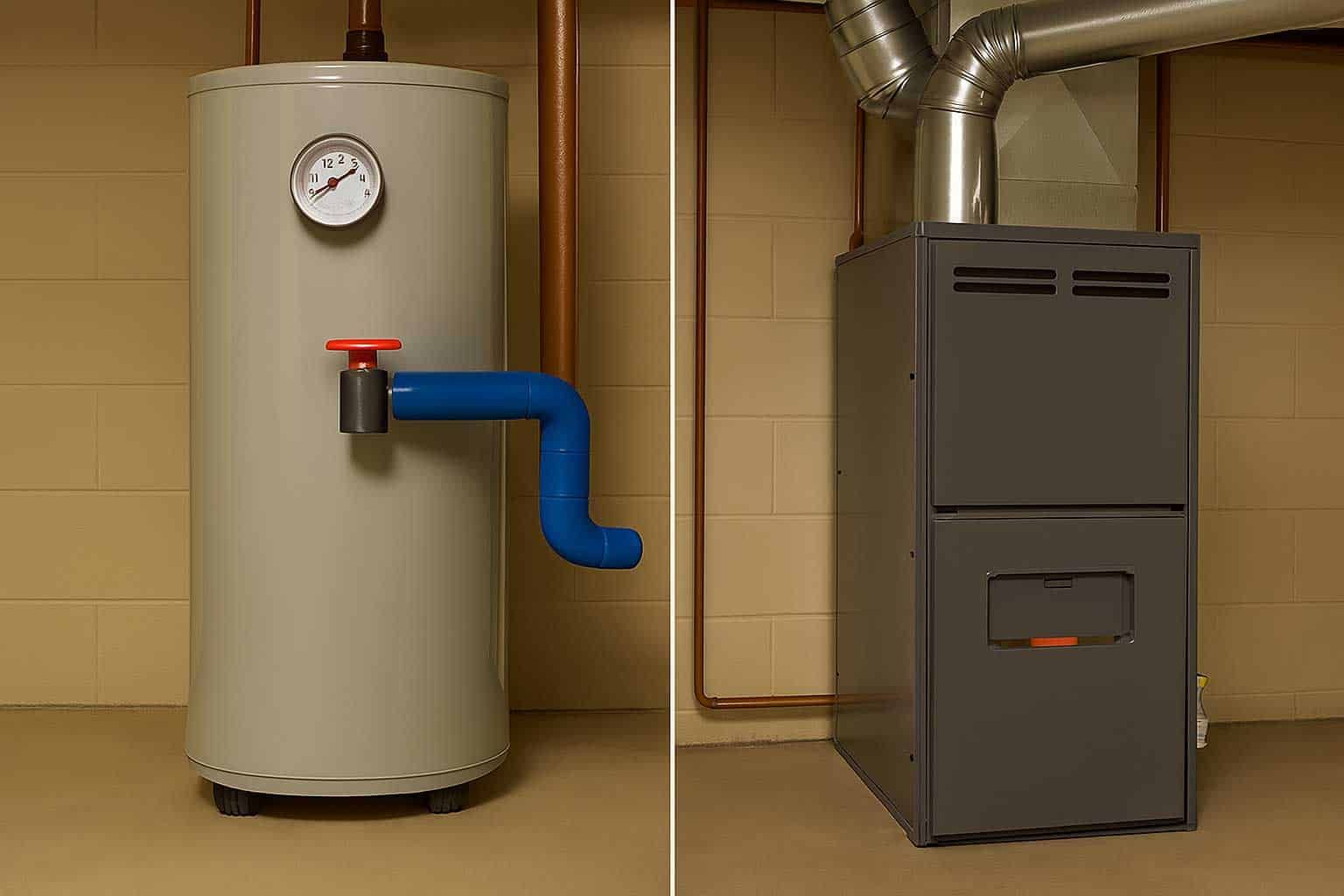
Water Heater Procedures:
Proper shutdown saves energy and prevents damage.
For extended absence (1+ months):
- Turn off the power at the breaker (electric)
- Set gas units to "pilot" or "vacation"
- Drain if freezing risk exists
- Close the inlet valve
- Document settings for restart
For short trips (under 2 weeks):
- Lower temperature to 50°F minimum
- Maintains tank protection
- Prevents bacterial growth
- Quick recovery on return
Drain System Preparation
Complete Drainage Protocol:
Removing water eliminates freeze damage risk entirely.
Step-by-step process:
- Shut off the main water supply
- Open all faucets (hot and cold)
- Flush all toilets until tanks empty
- Open lowest point drain valves
- Use air compressor for complete clearing
- Pour RV antifreeze in trap seals
Fixture-Specific Requirements:
Toilets:
- Hold flush lever until tank empties
- Sponge out remaining tank water
- Add antifreeze to bowl and tank
- Cover bowl with plastic wrap
Washing Machines:
- Run the spin cycle to clear the pump
- Disconnect hoses and drain
- Pour antifreeze through the drum
- Leave door open for air circulation
Dishwashers:
- Run an empty cycle with heat dry
- Add antifreeze to bottom
- Leave door cracked open
- Turn off power at breaker
Temperature Control Strategies
Minimal Heat Maintenance:
Keeping home at 55°F prevents freezing while minimizing costs.
Benefits of 55°F setting:
- Prevents pipe freezing
- Reduces humidity problems
- Costs less than full drainage
- Allows quick return to use
- Protects home materials
Smart Thermostat Solutions:
Remote monitoring provides peace of mind.
Features worth investing in:
- Temperature alerts below set point
- Remote adjustment capability
- Power outage notifications
- Humidity monitoring
- Vacation scheduling modes
Seasonal Considerations
Winter Shutdown (November-March):
Pacific Northwest freeze risks require extra precautions.
Critical tasks:
- Insulate exposed pipes
- Disconnect and drain hoses
- Service heating system before leaving
- Clear gutters to prevent ice dams
- Arrange snow removal for access
Summer Preparation (June-September):
Different risks require adjusted approaches.
Warm weather concerns:
- Stagnant water breeding bacteria
- Humidity causing mold growth
- Pest infiltration through dry traps
- Storm damage from clogged gutters
- Irrigation system failures
Remote Monitoring Technology
Water Leak Detectors:
Smart sensors alert you to problems immediately.
Recommended placement:
- Water heater base
- Under the kitchen sink
- Washing machine area
- Bathroom fixtures
- Basement low points
Features to consider:
- Cellular connectivity (no WiFi dependence)
- Temperature monitoring
- Battery life expectations
- Multiple sensor capability
- Integration with shut-off valves
Automatic Shut-Off Systems:
Stop leaks before major damage occurs.
System capabilities:
- Flow monitoring detects anomalies
- Remote control via smartphone
- Automatic freeze protection
- Vacation mode settings
- Insurance discount eligibility
Maintenance Between Visits
Caretaker Instructions:
Clear documentation prevents confusion during emergencies.
Essential information package:
- Shut-off valve locations (with photos)
- Emergency contact list
- System operation instructions
- Regular check requirements
- Problem escalation procedures
Monthly Inspection Tasks:
- Run all fixtures for 5 minutes
- Check for visible leaks
- Test sump pump operation
- Monitor humidity levels
- Inspect for pest activity
Professional Service Schedule:
- Spring startup inspection
- Fall winterization service
- Annual water heater maintenance
- Bi-annual HVAC service
- Emergency response agreement
Insurance Considerations
Coverage Requirements:
Vacant home policies have specific maintenance obligations.
Common requirements:
- Regular inspections (weekly/monthly)
- Maintained heating (55°F minimum)
- Water shut-off documentation
- Professional winterization proof
- Caretaker agreements
Risk Mitigation Credits:
- Monitored alarm systems: 5-10% discount
- Automatic water shut-offs: 10-15% discount
- Professional maintenance: 5% discount
- Smart home technology: 5-10% discount
Document all preparations for potential claims.
Return Procedures
Safe Startup Sequence:
Proper restart prevents damage from air pockets and pressure surges.
Systematic approach:
- Close all faucets opened during drainage
- Turn on the main supply valve slowly (25% initially)
- Open the highest faucet first to release air
- Gradually open the valve fully as the pipes fill
- Check each fixture for proper operation
- Inspect for leaks at all connections
Water Quality Restoration:
- Flush all lines for 10 minutes
- Replace any filters
- Sanitize if sitting for over 30 days
- Test the water if it's on a well system
- Run the hot water tank through a full cycle
System Verification:
- Check water pressure (40-80 PSI)
- Test all shut-off valves
- Verify toilet fill and flush
- Inspect water heater operation
- Look for signs of pest activity
Common Mistakes to Avoid
Drainage Errors:
- Forgetting toilet tanks
- Missing water heater drainage
- Overlooking appliance lines
- Skipping outdoor faucets
- Incomplete trap protection
Temperature Mistakes:
- Setting heat too low (under 55°F)
- Trusting single thermostat for whole house
- Ignoring attached garage pipes
- Forgetting crawl space areas
- No backup heat source
Documentation Failures:
- No photos of valve locations
- Missing caretaker instructions
- Incomplete insurance notification
- No maintenance records
- Lost emergency contacts
Regional Specific Concerns
San Juan Islands Properties:
- Ferry access delays emergency response
- Salt air accelerates corrosion
- Power outages more common
- Limited local services
- Higher moisture levels
Mountain Cabins:
- Extreme temperature swings
- Snow load on pipes
- Access difficulties in winter
- Wildlife intrusion risks
- Well pump freeze concerns
Ask The Experts
Is it better to maintain minimal heat or completely drain the plumbing system?
For absences under three months in Western Washington, maintaining 55°F heat is typically easier and safer. Complete drainage makes sense for longer absences or if power reliability is questionable. The peace of mind from smart monitoring systems often justifies maintaining minimal heat with remote alerts.
How much antifreeze do I need for toilet and drain traps?
Use RV/marine antifreeze only (never automotive). Pour 2 cups in toilet bowls, 1 cup in toilet tanks, 1 cup per drain trap, and 1 quart in washing machines and dishwashers. A typical 3-bathroom vacation home needs about 2 gallons total. The pink color confirms protection where needed.
Protect Your Vacation Investment
Don't let plumbing problems ruin your retreat. Our vacation home winterization service includes complete system drainage, antifreeze protection, and documented procedures for insurance compliance.
Schedule your vacation home service before your next departure.