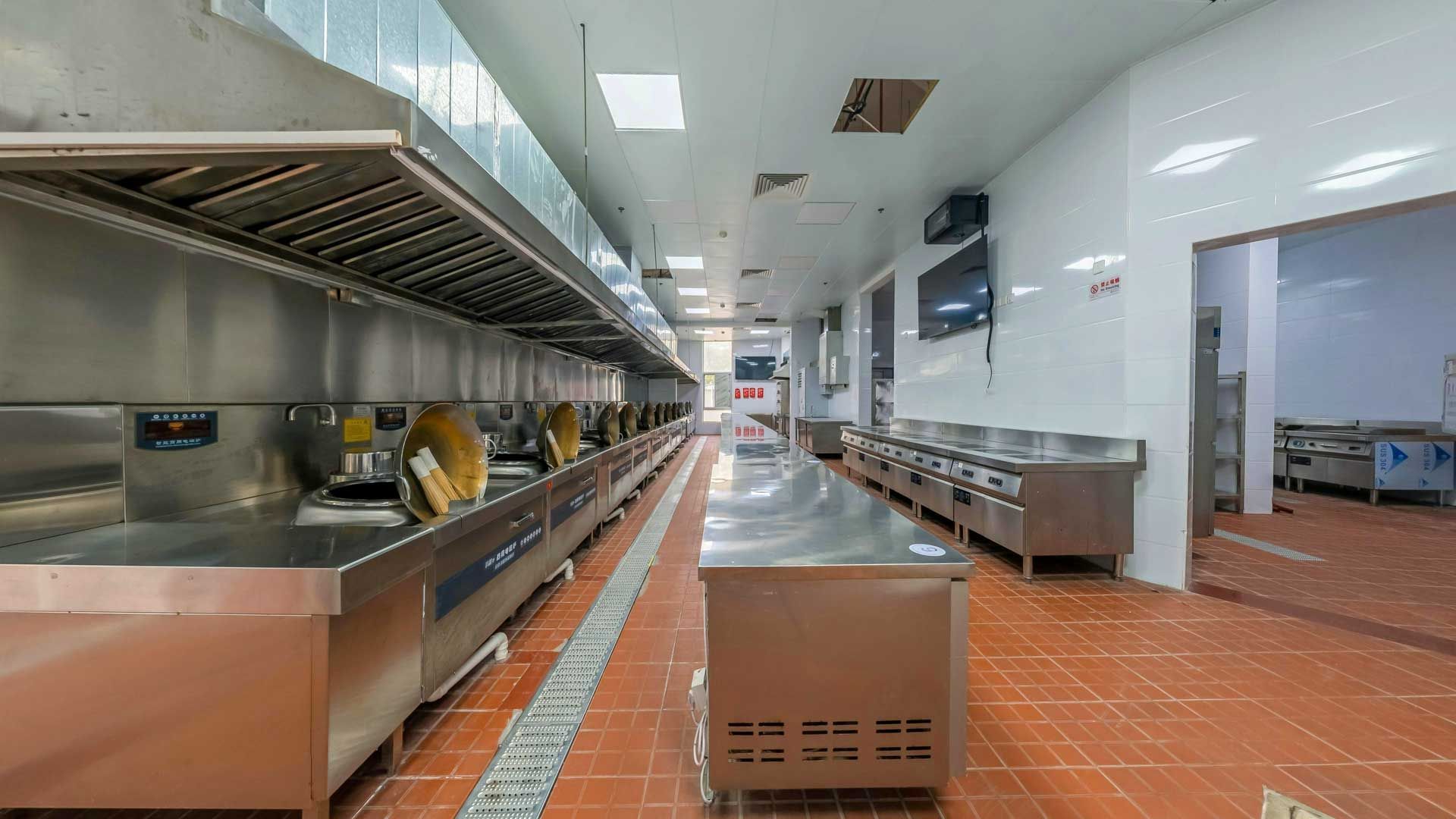
Commercial Kitchen Grease Management: A Restaurant Owner's Guide
June 21, 2026
Running a successful restaurant in Bellingham requires more than great food—it demands proper grease management to avoid costly plumbing disasters, health code violations, and business interruptions. Understanding grease trap maintenance and disposal requirements protects your investment and reputation.
Understanding Grease Trap Requirements
Whatcom County Regulations: Local health departments mandate grease management systems for all food service establishments.
Required installations:
- Grease traps: For smaller operations (under 50 seats)
- Grease interceptors: High-volume kitchens
- Capacity sizing: Based on fixture count and flow rates
- Location requirements: Accessible for maintenance
- Inspection standards: County health department oversight
Sizing Requirements:
- Small café: 20-40 lb. trap
- Family restaurant: 50-100 lb. trap
- Full-service dining: 750-1,500 gallon interceptor
- Fast food: 1,000-2,000 gallon interceptor
- Institutional kitchen: 1,500+ gallon interceptor
Undersized traps cause frequent backups and code violations, while oversized units waste money and space.
Grease Management Failures: More Than Just a Mess
Direct Financial Impact:
- Emergency plumbing repairs for blockages
- Fines from the health department
- Daily revenue loss from business closures
- Expensive sewer line replacements
- Damage to your business reputation, which can be priceless
Hidden Costs Often Overlooked:
- Increased pest problems
- Employee overtime during emergencies
- Customer compensation for disruptions
- Higher insurance premiums
- Lost repeat business
One preventable backup can cost more than years of proper maintenance.
Best Practices for Daily Operations
Kitchen Staff Training Essentials:
Proper Disposal Methods:
- Scrape plates before washing
- Wipe pans with paper towels
- Use strainer baskets religiously
- Never pour oil down drains
- Cool and contain grease for disposal
Temperature Management:
- Run cold water when draining greasy equipment
- Hot water liquefies grease temporarily, causing downstream problems
- Maintain water heater at 140°F for sanitization
- Train dishwashers on proper techniques
Cleaning Protocols:
- Empty drain screens every shift
- Clean floor drains nightly
- Maintain grease trap baffles
- Document all cleaning activities
- Assign specific responsibilities
Grease Trap Maintenance Schedule
Daily Tasks:
- Remove food solids from trap
- Check and clean strainer baskets
- Document trap condition
- Monitor for unusual odors
- Ensure proper water flow
Weekly Requirements:
- Deep clean removable components
- Inspect baffles and gaskets
- Check for grease cap thickness
- Verify proper water levels
- Test outlet flow rates
Monthly Professional Service:
- Complete pump-out for small traps
- Measure grease and solids accumulation
- Inspect for structural issues
- Clean inlet and outlet pipes
- Provide compliance documentation
Hot Jetter Service for Restaurants
Our commercial Hot Jetter technology revolutionizes kitchen drain maintenance.
Superior Grease Removal:
- 180°F water melts solidified grease
- 4,000 PSI pressure scours pipe walls
- Reaches 300 feet into drain lines
- Environmentally safe—no harsh chemicals
- Removes years of accumulation
Service Benefits:
- Performed during off-hours
- Minimal business disruption
- Extends time between pump-outs
- Prevents emergency backups
- Maintains health code compliance
Recommended Frequency:
- Fast food: Monthly service
- Full service: Bi-monthly
- Bars/breweries: Quarterly
- Coffee shops: Quarterly
- Institutional: Monthly
Grease Interceptor Management
Large-Scale Systems:
External interceptors require different maintenance approaches.
Pumping Schedule Factors:
- Kitchen volume and menu type
- Interceptor size
- Grease accumulation rate
- Local regulations
- Seasonal variations
25% Rule: When combined grease and solids reach 25% of the interceptor capacity, pumping is required.
Documentation Requirements:
- Pump-out receipts
- Waste hauler licenses
- Disposal facility records
- Inspection reports
- Maintenance logs
Keep records for minimum three years for compliance verification.
Common Violations and Solutions
Health Department Citations:
Inadequate Cleaning Frequency Solution: Establish a documented schedule with assigned responsibilities
Improper Disposal Methods Solution: Contract with a licensed grease recycler, train all staff
Blocked or Slow Drains Solution: Monthly Hot Jetter service prevents accumulation
Missing Documentation Solution: Digital maintenance logs with photo documentation
Undersized Equipment Solution: Professional evaluation and upgrade recommendations
Grease Recycling Programs
Sustainable Disposal Options:
Partner with local recyclers converting grease to biodiesel.
Benefits include:
- Revenue from yellow grease (clean fryer oil)
- Reduced disposal costs
- Environmental responsibility
- Marketing advantage
- Simplified compliance
Local recyclers provide containers and regular pickup schedules.
Emergency Response Planning
Backup Prevention Protocol:
- Post emergency plumber contact prominently
- Train managers on shut-off locations
- Keep backup supplies (enzyme treatments, tools)
- Document response procedures
- Maintain vendor relationships
When Backups Occur:
- Stop all kitchen operations immediately
- Contain wastewater with barriers
- Contact emergency plumbing service
- Document with photos
- Notify health department if required
- Begin customer communication
Technology Solutions
Grease Monitoring Systems:
- Automatic sensors track accumulation
- Alert before problems develop
- Document compliance automatically
- Reduce unnecessary pump-outs
- Provide usage analytics
Enzyme Treatment Systems:
- Continuous biological breakdown
- Reduces pump-out frequency
- Controls odors naturally
- Supplements mechanical cleaning
Multi-Location Management
Standardization Benefits:
- Consistent maintenance schedules
- Bulk service pricing
- Simplified compliance tracking
- Reduced emergency incidents
- Predictable budgeting
Centralized Documentation:
- Cloud-based maintenance logs
- Corporate compliance dashboard
- Automated reminder systems
- Performance comparisons
- Vendor management
Ask The Experts
How often should our 75-pound grease trap be pumped if we serve 200 meals daily?
With that volume, monthly pumping is minimum, but you'll likely need bi-weekly service. The real answer depends on your menu—high-grease items like fried foods and creamy sauces require more frequent service. Start with bi-weekly and adjust based on accumulation rates.
Can enzyme treatments replace mechanical cleaning and pump-outs?
No, enzymes supplement but don't replace mechanical cleaning. While enzymes help break down grease between services, they can't remove solids or handle heavy accumulation. Think of enzymes as preventive medicine and Hot Jetter service as necessary surgery—both have important roles.
Protect Your Restaurant Investment
Professional grease management prevents disasters that close restaurants permanently. Our commercial Hot Jetter service and maintenance programs keep your kitchen flowing and compliant.
Schedule your commercial kitchen evaluation to protect your business from costly grease-related shutdowns.